

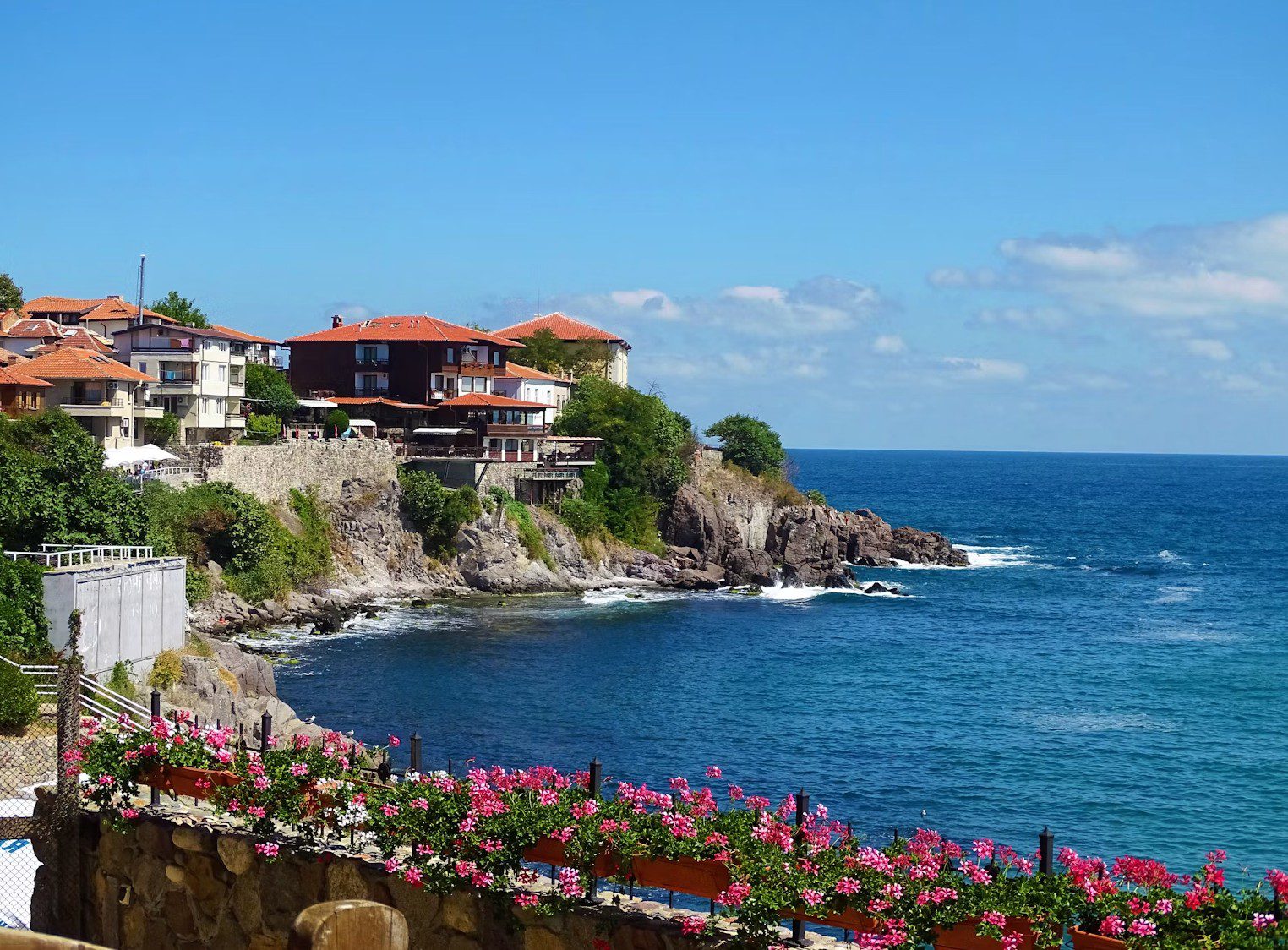
For most first-time travelers, the best time to visit Bulgaria is June or September, when the weather works well for several different types of trip without forcing you into the busiest part of either the beach or ski season. June is particularly good for combining cities, cultural attractions, lower mountain trails and the beginning of the Black Sea swimming season, while September keeps the sea warm enough for beach days but brings more comfortable temperatures for exploring Sofia, Plovdiv and the country’s inland sights.
The ideal month changes considerably depending on what you want from the trip. July and August are the most reliable months for a traditional Black Sea holiday, January and February are the safest choices if skiing is the priority, while late spring and early autumn generally provide the best conditions for sightseeing and road trips. Hiking has its own calendar as well: lower trails can become accessible during spring, but high routes in Rila and Pirin may retain snow long after Sofia and the lowlands have become warm.
Bulgaria’s geography makes a single national weather forecast surprisingly unhelpful when planning a trip. Conditions on the Black Sea coast, in Sofia and at 2,000 metres in the Rila Mountains can be completely different on the same day, so the best time to visit Bulgaria should always be chosen around your itinerary rather than simply around the warmest month of the year.
Best Time to Visit Bulgaria at a Glance
- Best overall months: June and September.
- Best for Black Sea beaches: Late June through early September, with July and August offering the warmest and busiest conditions.
- Best for swimming with fewer crowds: September.
- Best for sightseeing: April to June and September to October.
- Best for high-mountain hiking: July to September for the most reliable snow-free conditions.
- Best for lower-altitude hiking: May, June, September and October.
- Best for skiing: January and February.
- Best for a quieter city trip: March, April, October and November.
- Best for avoiding peak summer crowds: May, June, September and October.
Bulgaria by Month
Bulgaria in January
January is one of the best months to visit Bulgaria if skiing is the main purpose of your trip. Bansko, Borovets and Pamporovo are normally well into their winter seasons by this point, and conditions at higher elevations are generally more dependable than during the uncertain opening weeks of December.
Elsewhere in the country, January is very much low season. Sofia, Plovdiv and Veliko Tarnovo remain fully functioning cities, but short daylight hours and cold weather make this a better period for museums, restaurants and cultural attractions than for an intensive road trip.
The Black Sea resorts are extremely quiet, and many businesses designed specifically for summer visitors close or reduce their operations, so January should not be viewed simply as a cheaper version of a summer Bulgaria itinerary.
Bulgaria in February
February remains firmly within the main ski season and is one of the strongest months for travelers heading to Bansko, Borovets or Pamporovo. Snow conditions are typically more established than at the beginning or end of winter, although school holidays and international ski travel can make the most popular resorts considerably busier during certain weeks.
For city travelers, February remains cold but relatively quiet. Sofia and Plovdiv are perfectly viable for a short cultural break, particularly if you do not mind planning much of the trip around indoor attractions, cafés and restaurants.
If skiing is not part of your itinerary, however, there is usually no compelling reason to choose February over April, May or October unless low visitor numbers are especially important to you.
Bulgaria in March
March is a transitional month in Bulgaria, which makes it useful for some itineraries and unreliable for others. Skiing can continue at higher-altitude resorts when snow conditions remain favorable, while the lowlands gradually begin moving toward spring.
March 1 brings Baba Marta, one of Bulgaria’s most recognizable traditions, when people exchange red-and-white martenitsa bracelets and decorations as symbols of health and the arrival of spring. Visitors will see them throughout cities, markets and public spaces during the first part of the month.
For hiking, March is still too early to assume that mountain trails are suitable for ordinary summer trekking. Snow and ice remain common at elevation even when Plovdiv or Sofia are experiencing mild afternoons.
Bulgaria in April
April is one of the better months for cultural sightseeing because temperatures become increasingly comfortable while the main summer tourism season has not yet begun. Sofia, Plovdiv, Veliko Tarnovo and historic towns such as Koprivshtitsa can be explored without the intense heat that sometimes makes midsummer sightseeing tiring.
Lower-altitude walking routes also become increasingly attractive as vegetation returns, although conditions in the Rila and Pirin Mountains remain highly dependent on altitude and the amount of snow left from winter.
The Black Sea coast is beginning to wake up but is not yet a conventional beach destination. Nessebar, Sozopol, Varna and Burgas can be interesting for sightseeing in April, but travelers expecting warm swimming conditions should wait until later in the season.
Bulgaria in May
May is one of Bulgaria’s strongest months for a varied sightseeing itinerary. The countryside is green, days are long enough for road trips, and temperatures are generally comfortable for exploring cities, monasteries and historical sites on foot.
This is also a good month for hiking in lower parts of the Rhodope Mountains and other moderate-altitude areas, but describing May as universally ideal for Rila and Pirin hiking is too broad. Snow can remain on high routes well into spring, so conditions should be checked locally if your plans involve peaks, exposed ridges or higher mountain huts.
The Black Sea coast becomes increasingly pleasant during sunny periods, although seawater is still cool for many swimmers. May works better for coastal sightseeing in Nessebar or Sozopol than for someone whose main goal is spending every day in the sea.
Bulgaria in June
June is arguably the best all-round month to visit Bulgaria because several travel seasons begin to overlap. The Black Sea has warmed considerably, summer resorts are operating, city temperatures remain easier to manage than during peak heat, and mountain access improves as remaining snow retreats from higher routes.
The Bulgarian coast becomes a realistic swimming destination during June, particularly later in the month, although water temperatures are naturally cooler than they are in July and August. Travelers who want beaches without deliberately choosing the busiest part of summer will often find June a better compromise.
June is also one of Bulgaria’s most interesting cultural months. The Rose Festival in Kazanlak takes place around the annual rose harvest, while the traditional Nestinarstvo fire-walking ritual reaches its main annual celebration in the Strandzha village of Bulgari on June 3.
If your itinerary combines Sofia, Plovdiv, the Rose Valley, mountains and a few days on the coast, June is one of the easiest months in which to make all of those elements work together.
Bulgaria in July
July marks the beginning of the most reliable period for a classic Bulgarian beach holiday. The Black Sea is warm, summer tourism infrastructure is fully operational and resorts such as Sunny Beach, Golden Sands and the towns along the southern coast are firmly within peak season.
The same conditions that make July attractive also create its disadvantages. Accommodation demand rises sharply in the most popular seaside destinations, beaches become busier and midday sightseeing in Sofia, Plovdiv or Veliko Tarnovo can be uncomfortable during hot spells.
July is also one of the most reliable months for hiking at higher elevations in Rila and Pirin because most winter snow has disappeared from standard summer routes. Mountain weather can still change quickly, particularly around thunderstorms, so summer conditions should not be confused with guaranteed stable weather.
Bulgaria in August
August is the heart of Bulgaria’s Black Sea season and the month to choose if warm water, beach weather and a fully active resort atmosphere matter more than avoiding crowds. Sea temperatures are close to their annual maximum, while destinations such as Sunny Beach, Nessebar, Sozopol and Golden Sands receive some of their highest visitor numbers.
For an itinerary focused on cultural cities, August can be less appealing because inland heat may limit how much sightseeing you want to do around midday. Exploring Plovdiv’s old town or climbing around Veliko Tarnovo is considerably easier early in the morning or toward evening than in the hottest part of the day.
The high mountains provide a useful alternative to the coast. August remains one of the most reliable periods for trekking in Rila and Pirin, although famous routes such as the Seven Rila Lakes attract substantial numbers of visitors.
Bulgaria in September
September is arguably the best month to visit Bulgaria for travelers who want both summer and sightseeing. The Black Sea retains much of the warmth accumulated during July and August, while air temperatures begin to ease and the largest peak-season crowds gradually decline.
Historical climate averages around Varna place September sea temperatures at roughly 22–23°C, which remains comfortable enough for swimming for many travelers. Conditions become less consistently summery as the month progresses, so early September is safer than late September if beach time is the primary reason for visiting.
September is equally strong for the mountains. Rila and Pirin remain accessible under normal seasonal conditions, temperatures are comfortable for walking, and the risk of extreme summer heat is lower than in July and August.
For a first trip that combines Sofia, Plovdiv, Rila Monastery, hiking and the Black Sea, September offers one of the best overall compromises of the year.
Bulgaria in October
October shifts the focus away from swimming and toward city travel, wine, photography and autumn landscapes. Sofia and Plovdiv are generally much more comfortable to explore than during midsummer, while forests in Rila, the Rhodopes and other mountain regions begin taking on autumn colors.
The Black Sea can still produce warm, sunny days, particularly early in the month, but average water temperatures fall substantially compared with September. October therefore works better for sightseeing in Nessebar, Varna or Sozopol than for a dedicated swimming holiday.
Hiking remains possible on many routes, particularly at lower elevations, but high-mountain weather becomes increasingly unpredictable as the month progresses. Anyone planning exposed or high-altitude routes should check current forecasts and conditions rather than relying purely on seasonal averages.
Bulgaria in November
November is one of the quieter months for international tourism and can be a good choice for travelers interested primarily in Sofia, Plovdiv and other urban destinations. Temperatures are cooler, daylight is shorter and rain or early snow can interfere with outdoor plans, but major cultural attractions remain open.
It is better not to label November universally as Bulgaria’s rainiest month because precipitation patterns vary considerably between the Black Sea coast, Sofia, mountain regions and different years. What is consistent is that November belongs to the wetter and less predictable part of the year compared with the dry summer season.
Coastal resorts are largely outside their main tourism season, while the ski season has generally not yet become reliable enough to make November a strong winter-sports choice.
Bulgaria in December
December marks the beginning of Bulgaria’s winter travel season, although ski conditions can vary considerably during the first weeks of the month. Major resorts often begin operating as snow and temperatures allow, but anyone booking specifically for skiing should remember that December is less dependable than January or February.
Sofia and other cities begin to feel more festive, making December suitable for a winter city break that combines restaurants, churches, museums and seasonal events. Snow in the capital itself is possible but should not be treated as guaranteed.
If skiing is the main reason for your trip and your dates are flexible, late December is generally a safer choice than early December, while January and February remain more reliable overall.
Peak Summer Season in Bulgaria: July and August
July and August form the main summer tourism season along Bulgaria’s Black Sea coast. Resorts operate at full capacity, the sea reaches its warmest annual temperatures and travelers have the widest choice of boat trips, watersports, beach clubs, restaurants and other seasonal activities.
Sunny Beach and Golden Sands are among the most developed resort areas, while Nessebar and Sozopol combine beach access with historic centers and appeal to travelers who want more than a conventional resort experience. Smaller coastal destinations can feel calmer, although even they become noticeably busier during the central summer holiday period.
Prices tend to be highest when demand peaks, but claims that accommodation always doubles or triples compared with shoulder season are too broad to be useful. The actual difference depends on the destination, type of accommodation, specific week and how early you book.
If you dislike crowded beaches, hot sightseeing conditions or booking accommodation well ahead, June and September will usually suit you better. If warm water and the fullest possible summer atmosphere are more important, July and August remain the obvious choice.
Shoulder Season in Bulgaria: May, June, September and October
May and June
May and June work particularly well for travelers who want to see several parts of Bulgaria rather than building the entire trip around one beach resort. Cities are comfortable for walking, rural landscapes are at their greenest and tourism demand is lower than at the height of summer.
The difference between the two months matters. May is stronger for sightseeing, cultural attractions and lower-altitude nature, whereas June adds increasingly reliable swimming conditions and better access to higher mountain routes.
June also coincides with some of Bulgaria’s most distinctive seasonal traditions, including the Rose Festival period around Kazanlak and the Nestinarstvo ritual in Strandzha, which makes it especially attractive for travelers who want to combine landscapes with local culture.
September and October
September and October form the autumn shoulder season, but they should not be treated as interchangeable. September still behaves much like a softer version of summer, particularly during its first half, with warm sea temperatures and good hiking conditions.
October is a more clearly autumnal month. The coast becomes quieter, swimming is less reliable and the strongest reasons to visit shift toward cities, wine regions, photography and forest landscapes.
Choose September if the Black Sea remains an important part of the itinerary; choose October if beaches are secondary and you would rather have cooler sightseeing weather and significantly less summer tourism.
Winter Season in Bulgaria: December to March
Bulgaria’s winter tourism revolves around its mountain resorts rather than the Black Sea. Bansko, Borovets and Pamporovo attract skiers from Bulgaria and abroad, while Sofia works well as an urban base for travelers who want restaurants, museums and occasional winter day trips.
The ski season does not follow identical dates every year because snowfall, temperatures and snowmaking conditions determine when lifts and pistes can operate. Bansko’s official 2025–26 season, for example, was scheduled from December into April, but the resort explicitly notes that opening and closing dates can change with conditions.
January and February are the safest months to choose if snow reliability matters more than finding the quietest or cheapest dates. March can be attractive because days are longer and skiing often continues at higher elevation, although lower slopes become increasingly dependent on temperatures and snow quality as spring approaches.
The Black Sea coast has a completely different atmosphere during winter. Cities such as Varna and Burgas remain active, but purpose-built summer resorts become very quiet, so winter should not be chosen if your main reason for visiting Bulgaria is the beach.
Best Time to Visit Bulgaria for Beaches
For a dedicated Black Sea holiday, late June through early September provides the most reliable combination of warm air and swimming conditions. July and August are the classic peak months, when average sea temperatures around the main coastal areas reach roughly the mid-20s Celsius.
June is a useful alternative if you want to avoid the busiest weeks. Water temperatures rise rapidly during the month and the major resort infrastructure is already operating, although early June naturally feels cooler than late July.
September is particularly attractive because the sea loses heat more slowly than the air, allowing beach conditions to continue after the most intense summer temperatures and holiday crowds begin to decline.
Best Time to Visit Bulgaria’s Black Sea Coast
The best month depends on which part of the coastal experience matters most. July and August offer the greatest weather reliability and the fullest resort atmosphere, while June and September provide a better balance for travelers who also want to explore historic places such as Nessebar and Sozopol without spending every afternoon in peak heat.
Varna and Burgas are genuine cities rather than seasonal resorts and can be visited outside summer, but smaller beach destinations often become much quieter once the main season finishes. If nightlife, watersports and a wide choice of seasonal restaurants matter to you, stay closer to June through September.
October can still be attractive for coastal sightseeing, especially if you prefer empty promenades and historic towns without beach crowds, but it should not be chosen with the expectation of reliable swimming weather.
Best Time to Visit Bulgaria for Hiking
The best hiking season depends heavily on altitude. May and June can be excellent in the Rhodopes, Vitosha and lower sections of other mountain ranges, while high routes in Rila and Pirin may still be affected by snow during late spring.
For ordinary summer hiking at higher elevations, July through September is the safest general planning window. Routes around the Seven Rila Lakes, Musala and high Pirin terrain are more likely to be free of winter snow, although thunderstorms, strong winds and sudden temperature changes remain possible even in midsummer.
September is particularly attractive for long hikes because temperatures are cooler than in July and August while the high-mountain season has not normally finished. October works well at lower elevations, but conditions on exposed routes can deteriorate quickly as autumn advances.
Best Time to Visit Bulgaria for Skiing
January and February are the best months for travelers whose priority is skiing rather than simply visiting a ski resort. By this stage of winter, the main Bulgarian resorts have normally built a stronger snow base and are less dependent on the uncertain conditions that sometimes affect December openings.
Bansko is the country’s best-known international ski destination, while Borovets offers convenient access from Sofia and Pamporovo is particularly popular for its comparatively sunny mountain climate. Conditions and prices vary between resorts, so it is worth comparing the actual ski area rather than assuming that one destination is automatically best for every type of traveler.
March can offer good value and longer daylight while retaining skiable conditions at higher elevations, but snow quality becomes less predictable as temperatures rise. Early April skiing is possible in good years but should never be treated as guaranteed.
Best Time to Visit Bulgaria for Sightseeing
April, May, June, September and October are generally the most comfortable months for exploring Bulgaria’s cultural destinations. Sofia, Plovdiv and Veliko Tarnovo all involve substantial walking, while towns such as Nessebar and Koprivshtitsa are considerably easier to appreciate without the hottest midsummer conditions.
May has the advantage of spring greenery, while September provides warmer evenings and can easily be combined with the Black Sea. October is particularly good for travelers interested in food, wine and autumn scenery rather than beaches.
Winter city breaks remain entirely possible, especially in Sofia and Plovdiv, but shorter daylight and unpredictable weather reduce the amount of outdoor sightseeing you can comfortably fit into a day.
Best Time to Visit Bulgaria for Festivals and Traditions
Late spring and early summer provide several of Bulgaria’s most distinctive cultural events. The annual Rose Festival around Kazanlak is linked to the rose harvest and reaches its main celebrations in early June, making this one of the most interesting periods for visiting the Rose Valley.
June 3 is also associated with the traditional Nestinarstvo fire-walking ritual in the village of Bulgari in the Strandzha Mountains. The ritual is included on UNESCO’s Representative List of the Intangible Cultural Heritage of Humanity and remains one of Bulgaria’s most unusual living traditions.
Do not build a 2026 itinerary around the National Festival of Bulgarian Folklore in Koprivshtitsa simply because some older travel guides list it as an August event. It is a periodic rather than annual festival, so its exact edition dates must always be checked separately before planning a trip.
Best Time to Visit Bulgaria on a Budget
The lowest tourism demand is generally found outside the Black Sea summer season and the busiest ski periods, but the cheapest month is not automatically the best-value month. A very inexpensive coastal hotel in January provides little benefit if the restaurants, beach activities and summer attractions you wanted are not operating.
For a broad Bulgaria itinerary, May, June, September and October often deliver better value because you avoid some peak-season demand while retaining far more tourist infrastructure and favorable weather.
If your trip is focused entirely on Sofia or Plovdiv, November and March can be particularly economical because cities function normally even when the main coastal and mountain tourism seasons are between peaks.
Best Time to Visit Bulgaria Without Crowds
May and October are particularly good months for travelers who actively want to avoid crowds. The weather is generally suitable for sightseeing, tourist sites remain accessible and neither month sits within Bulgaria’s main beach or ski peak.
June and September provide a compromise for travelers who still want swimming or mountain hiking. They are not empty months, particularly as Bulgaria’s international tourism continues to grow, but the country’s most popular destinations are generally easier to navigate than during the central weeks of July and August.
For genuinely quiet travel, November offers very low tourism pressure in many parts of the country, although weather becomes less reliable and the coast loses much of its seasonal atmosphere.
When Is the Worst Time to Visit Bulgaria?
There is no universally bad month to visit Bulgaria because different parts of the country operate on almost opposite seasonal calendars. The worst month is therefore the one that does not match your intended activities.
January would be a poor choice for a Black Sea beach holiday but one of the best months for skiing. August is ideal for swimming but potentially frustrating for someone who dislikes hot cities and crowded resorts. April can be excellent for Plovdiv and Veliko Tarnovo but too early for high-altitude summer hiking.
Thinking in terms of separate beach, city and mountain seasons produces a much more useful itinerary than trying to identify one month when every part of Bulgaria is simultaneously at its best.
When Should You Book a Trip to Bulgaria?
If you are traveling to popular Black Sea resorts in July or August, booking accommodation ahead gives you considerably more choice, particularly for well-rated beachfront properties and family rooms. The same applies to Bansko, Borovets and Pamporovo during popular ski weeks around school holidays and major winter breaks.
Shoulder-season travelers usually have more flexibility, although there is little advantage in deliberately leaving every reservation until arrival if you already know exactly where you want to stay.
For winter travel, check ski conditions shortly before departure even if accommodation was reserved months ahead, while mountain hikers should confirm trail, lift and hut conditions rather than assuming that a particular route opens on the same calendar date every year.
Things to Consider Before Choosing Your Dates
- If beaches are your priority, plan primarily for late June through early September rather than relying only on warm daytime temperatures.
- If high-mountain hiking is important, July through September provides more reliable conditions than May, when snow can still affect elevated routes.
- If skiing is the main reason for your trip, January and February are safer choices than early December for snow reliability.
- If you want to combine the Black Sea with cultural cities, June or September offers a better balance than peak summer.
- If you are visiting Sofia, Plovdiv and Veliko Tarnovo, spring and early autumn generally provide more comfortable sightseeing temperatures than July and August.
- If your itinerary includes several regions, remember that conditions in Rila or Pirin can be dramatically colder than on the Black Sea coast on the same day.
- If you are traveling for a festival, verify the exact year’s schedule because some Bulgarian cultural events are periodic rather than annual.
Frequently Asked Questions
What is the best month to visit Bulgaria?
September is arguably the best month for a first trip because the Black Sea remains warm enough for swimming, the mountains are still within their main hiking season and inland temperatures are generally more comfortable for sightseeing than in July or August. June is a close alternative, particularly if you prefer longer days and spring-green landscapes.
Is June a good time to visit Bulgaria?
Yes. June is one of the best months for combining sightseeing, cultural events, hiking and the beginning of the main Black Sea season. Water temperatures are cooler than in July and August but increasingly suitable for swimming as the month progresses.
Is September a good time to visit Bulgaria?
September is one of Bulgaria’s strongest all-round travel months. The Black Sea retains summer warmth, high-mountain hiking remains practical under normal seasonal conditions and the most intense summer heat begins to ease.
Is Bulgaria good to visit in October?
Yes, especially for Sofia, Plovdiv, Veliko Tarnovo, wine regions and autumn scenery. October is less suitable for a dedicated beach holiday because Black Sea temperatures fall quickly after September, while high-mountain conditions become increasingly unpredictable later in the month.
What is the best time to visit Bulgaria for beaches?
Late June through early September provides the most reliable beach conditions. July and August are the warmest and busiest months, while June and September offer a better balance for travelers who want swimming without deliberately choosing the height of peak season.
What is the best time to visit Bulgaria for hiking?
For high routes in Rila and Pirin, July through September is the most reliable general window. Lower-altitude hiking can be excellent in May, June and October, but snow can remain at elevation during spring and return relatively early in autumn.
What is the best time to ski in Bulgaria?
January and February are the most reliable months for skiing in Bansko, Borovets and Pamporovo. December can be good when snowfall and temperatures cooperate, while March often retains skiing at higher elevations but becomes less predictable as spring approaches.
Is Bulgaria worth visiting in winter?
Yes, particularly if you want skiing or a winter city break in Sofia. Bulgaria’s Black Sea resorts become much quieter outside summer, so winter works best when your itinerary is deliberately built around cities and mountains rather than beaches.
Is Bulgaria too crowded in August?
August is one of the busiest periods on the Black Sea coast, especially in major resorts such as Sunny Beach and Golden Sands. Travelers who dislike crowded beaches and high accommodation demand will usually prefer June or September.
When is the Rose Festival in Bulgaria?
The Rose Festival in Kazanlak is associated with the annual rose harvest and its main celebrations usually take place in late May and early June, with the principal festival weekend typically falling in early June. Exact dates and individual events should be checked for the year of travel.
So, When Is the Best Time to Visit Bulgaria?
If you want one month that works for the widest possible range of activities, September is the strongest choice. The Black Sea still offers swimming conditions, Rila and Pirin remain within their practical hiking season and cities such as Sofia and Plovdiv become easier to explore once the most intense summer heat begins to fade.
June is almost equally versatile and may be better if you want the Rose Valley, longer daylight and the beginning rather than the end of summer. July and August are the natural choice for a dedicated beach holiday, while January and February belong to an entirely different Bulgaria built around ski resorts and snow-covered mountains.
The most important thing is not to treat Bulgaria as a destination with one national travel season. The Black Sea, cultural cities and high mountains each follow their own calendar, and the best trip comes from choosing dates around the part of the country you actually want to experience.
 admin
admin