

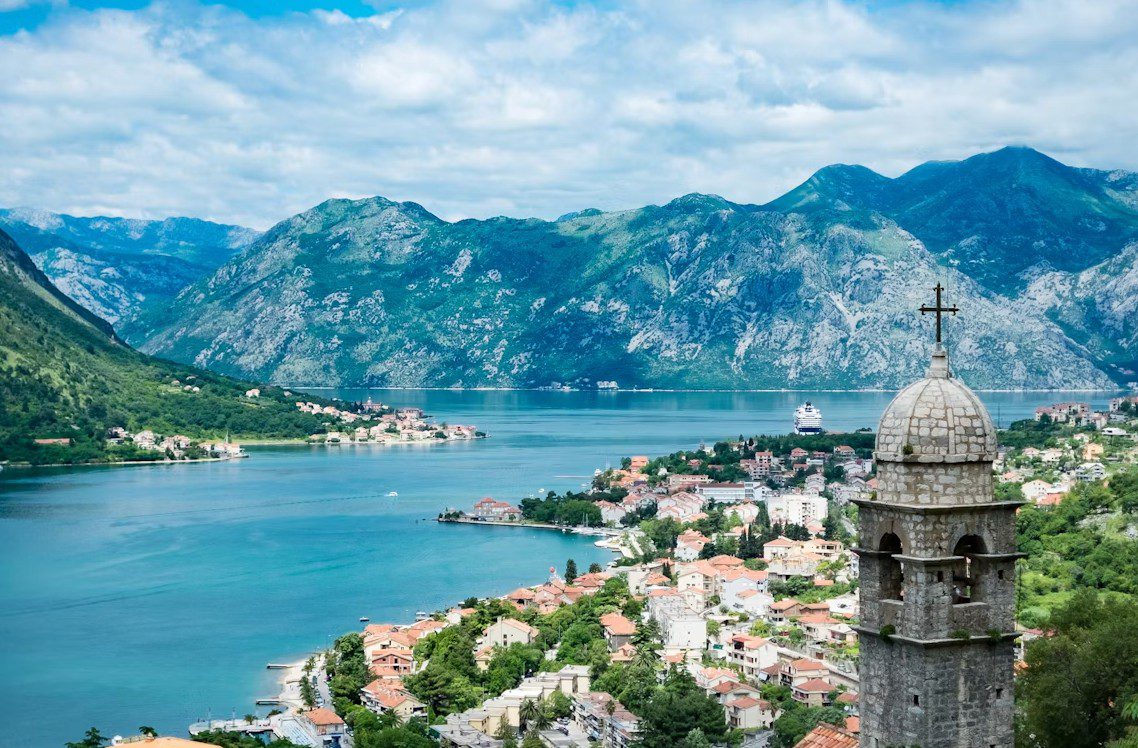
Do you need a car in Montenegro? Yes, if you want to see anywhere beyond the coast — public transport between towns is limited and unreliable. Driving here is different from what most tourists expect: mountain roads are narrow, winding, and often have no guardrails.
This guide covers everything you need to know about renting a car in Montenegro — requirements, costs, road conditions, and common mistakes to avoid.
Car Rental in Montenegro — Quick Facts
- Minimum age to rent: 21 (often 23 for larger vehicles)
- License required: Valid driving license from home country
- International Driving Permit needed? Recommended but not legally required for most nationalities
- Driving side: Right-hand side
- Average daily rental cost: €25–45/day economy
- Fuel type / cost: Petrol/diesel, ~€1.50/liter
- Major rental companies present: Sixt, Europcar, Avis, local agencies
- Toll roads: No major toll roads
- Parking in cities: Difficult in Kotor old town area, easier elsewhere
Do You Need a Car in Montenegro?
Public transport in Montenegro covers the coast reasonably well during summer, but gaps appear quickly once you leave the main tourist routes. Trains don’t reach the coast, and bus schedules become infrequent outside the peak season.
You’ll need a car to reach Durmitor National Park, smaller mountain villages, Lake Skadar’s remote spots, and most inland attractions. These areas are basically inaccessible without your own transport.
If you’re staying only in Kotor, Budva, or Tivat — walkable towns with short bus or taxi rides between them — you can skip renting a car. Here’s a simple rule of thumb: staying only on the coast — skip it. Want the mountains or the lake — rent one.
What You Need to Rent a Car in Montenegro
The minimum rental age in Montenegro is 21, though some companies require 23 for larger vehicles. Drivers under 25 often pay a daily young-driver surcharge.
Your home country license is typically sufficient for EU, US, and UK license holders. However, some local agencies request an International Driving Permit (IDP) even if it’s not legally mandatory. Bring both if you have them.
A credit card is required for the security deposit hold — expect €200–500 depending on the vehicle. Debit cards are often not accepted for the deposit, which is the most common reason rentals get rejected at the counter.
You’ll also need your passport or national ID at pickup. International chains may ask for two forms of payment for high-value vehicles.
How Much Does It Cost to Rent a Car in Montenegro?
Economy cars typically cost €25–35 per day, while SUVs and larger vehicles run €50–80 per day. Prices double during July and August compared to shoulder seasons.
Local rental agencies are cheaper but may be less reliable for breakdowns and support. International chains cost more but offer greater predictability. Hidden costs include airport pickup surcharges, cross-border fees (€20–50 per country), and one-way drop fees.
Book 4–6 weeks ahead for summer travel to secure better rates and availability. Prices approximate, based on research as of October 2025.
Car Rental Insurance in Montenegro — What’s Actually Covered
Basic rental insurance typically covers third-party liability and includes a Collision Damage Waiver (CDW) with an excess of €500–1,000. However, tires, windshield, and undercarriage damage are often excluded from basic coverage.
Before relying on your credit card or travel insurance, verify they cover rentals in non-EU countries — many don’t. The full coverage upsell at the counter often costs 2–3x the price of pre-booked excess insurance, making it a poor value.
What Driving in Montenegro Is Actually Like
Coastal roads are well-paved but narrow with sharp turns; mountain roads can be unpaved and require caution. Local driving habits are assertive — expect frequent overtaking on narrow roads.
Signage is in Latin script and generally clear on main routes, but secondary roads may have inconsistent markings. The Kotor serpentine road has 25 hairpin turns — go slow and use low gear.
Google Maps generally works well, though signal drops in deep mountain areas. Speed limits are 50 km/h in towns and 80–100 km/h on open roads. Headlights must be on at all times while driving, even during the day. Police checkpoints are occasional and routine.
Parking and Fuel — Practical Tips
Paid parking zones in Kotor and Budva centers require payment via meter or app. During peak summer, parking near Kotor old town fills by mid-morning, so arrive early or park outside the center.
Fuel stations are widely available on the coast but sparser inland — fill up before heading into mountain routes. Most stations accept both cash and card, with both self-service and full-service options available.
Fuel costs approximately €1.50 per liter, with a full tank covering roughly 500–600 km depending on the vehicle.
Common Car Rental Mistakes in Montenegro
- Not photographing the car before driving off — take detailed photos and video of existing scratches, dents, and interior condition at pickup to avoid disputes
- Assuming your credit card covers rental insurance — many cards exclude non-EU countries; verify before you rely on it
- Relying on a debit card for the deposit — most agencies require a credit card, and debit cards are frequently rejected at pickup
- Booking at the last minute in summer — prices spike and availability drops significantly during peak season
- Not checking cross-border permissions in advance — driving into neighboring countries requires prior approval and paperwork
- Returning with less fuel than you picked up — full-to-full policies are standard; returning with less fuel results in expensive refueling charges
- Ignoring the condition of mountain roads before heading inland — some routes require careful driving and adequate vehicle clearance
- Forgetting to verify winter tire requirements — in mountainous regions, snow tires are mandatory during winter months
Driving Across Borders From Montenegro
Crossing into Croatia, Bosnia, or Albania is often allowed but requires prior notice and payment of a cross-border fee. International chains are more likely to permit cross-border travel than small local agencies. Fees typically range from €20–50 per country, and you must request permission in advance — otherwise, your insurance may be void the moment you cross the border.
Frequently Asked Questions
Do I need an International Driving Permit for Montenegro?
An IDP is recommended but not legally required for EU, US, or UK license holders. However, some local agencies may ask for it, so it’s worth carrying one if you have it.
Is it safe to drive in Montenegro?
Yes, but caution is needed — especially on mountain roads with sharp bends, narrow lanes, and occasional lack of guardrails. Local drivers are assertive, so defensive driving is recommended.
Can I rent a car at the airport in Montenegro?
Yes, both Podgorica (TGD) and Tivat airports have rental desks from international chains and local agencies. Podgorica generally offers a wider selection and lower prices.
Can I drive a rental car from Montenegro into Croatia?
Yes, if your rental company permits cross-border travel and you’ve paid the required fee — typically €20–50. You must request permission before pickup.
Are there toll roads in Montenegro?
No major toll roads exist in Montenegro, though some tunnels like Sozina Tunnel may have small fees.
Bottom line: rent a car if you’re heading inland or want flexibility. Stick to the coast if you prefer buses and taxis. Whatever you decide, make sure your insurance covers the rental excess — it’s one of the most common unexpected costs.