

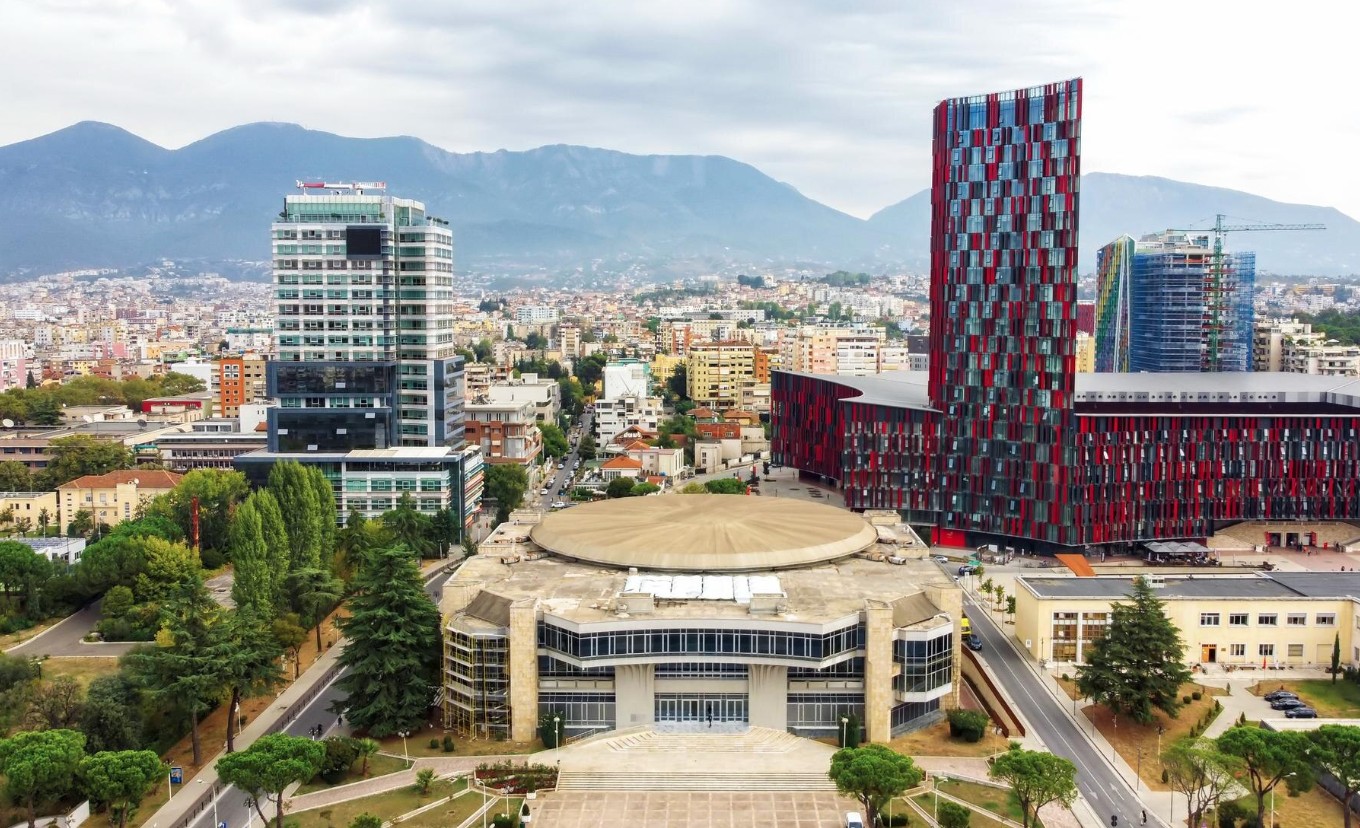
Yes, Albania is still relatively cheap to visit in 2026, particularly when you compare everyday expenses such as local food, public transport and accommodation outside the busiest coastal resorts with prices in many better-established Mediterranean destinations. The important difference from a few years ago is that Albania can no longer be described as uniformly cheap: Tirana, Berat, Shkodër and many inland towns continue to offer excellent value, while Ksamil, Dhërmi and parts of the Albanian Riviera can become surprisingly expensive during July and August.
For a realistic trip in 2026, a budget traveler should plan on roughly €35–50 per person per day, while €65–100 per day gives most travelers enough room for a private room, restaurant meals, intercity transport and paid attractions without constantly watching every expense. A more comfortable trip involving better hotels, frequent taxis, a rental car, beach clubs or organized activities can easily reach €110–170 per person per day, and the Riviera during peak summer can push the budget even higher.
Where you go and when you travel matter almost as much as your travel style. A week based around Tirana, Berat and Gjirokastër in May can cost dramatically less than seven nights split between Ksamil and Dhërmi in August, even if you eat at similar types of restaurants and choose comparable accommodation. If keeping costs low is a priority, the most useful strategy is therefore not simply choosing Albania because it has a reputation for being cheap, but choosing the right part of Albania at the right time of year.
How Much Does It Cost to Visit Albania in 2026?
A useful Albania travel budget should include accommodation, food, local and intercity transport, sightseeing and normal daily extras, while keeping international flights separate because airfare varies enormously depending on where you are traveling from.
- Budget traveler: approximately €35–50 per person per day.
- Mid-range traveler: approximately €65–100 per person per day.
- Comfortable traveler: approximately €110–170+ per person per day.
- Peak-season Albanian Riviera: approximately €120–200+ per person per day can be realistic once higher accommodation prices, beach clubs and private transportation are included.
These figures are planning ranges rather than fixed national averages. A backpacker sleeping in dorms and traveling by bus may spend considerably less in Shkodër or Berat, while a solo traveler who wants a private room will usually move toward the upper end because there is nobody with whom to split accommodation.
Couples often get better value per person because double rooms and rental cars can be shared, while families may also reduce their accommodation cost per person if several people stay in one apartment. Solo travel remains affordable, but accommodation becomes a larger percentage of the total budget.
How Much Does One Week in Albania Cost?
For seven days excluding flights, a realistic budget looks approximately like this:
- Budget trip: €245–350 per person for one week.
- Mid-range trip: €455–700 per person for one week.
- Comfortable trip: €770–1,190+ per person for one week.
- Peak-summer Riviera trip: €840–1,400+ per person for one week if you choose popular beach destinations and use paid beach facilities regularly.
A one-week budget can change significantly depending on how fast you travel. Moving between Tirana, Shkodër, Theth, Berat, Gjirokastër and Sarandë in seven days means paying for transport almost every day, whereas spending several nights in each destination lowers transportation costs and often gives you access to better accommodation rates.
The cheapest version of Albania is therefore usually a slower trip through several inland destinations, while the most expensive version combines rapid travel, rental cars, beachfront hotels and peak-season stays on the Riviera.
Is Albania Still Cheap in 2026?
Albania is still one of the better-value destinations in Europe, but the phrase “Albania is dirt cheap” has become increasingly misleading. Tourism has expanded rapidly, international flight connections have improved and demand for places such as Ksamil, Sarandë and Dhërmi has increased substantially, which means travelers arriving with prices from old blog posts written five or six years ago can be surprised by what they actually pay.
The value remains much more obvious in everyday local spending. Public transportation can cost only a few euros, coffee remains inexpensive by Western European standards, traditional restaurants can still provide full meals at relatively modest prices and many historical attractions cost little or nothing to visit.
Accommodation is where the biggest differences now appear. A family guesthouse in an inland town can still feel exceptionally cheap, while an attractive beachfront property in Ksamil or Dhërmi during August may no longer feel like a budget option at all.
This does not mean Albania has become expensive; it means that it has developed a much wider tourism market. Budget Albania still exists, but so does premium Albania, and the two can sometimes be only a few streets apart.
Accommodation Costs in Albania
Accommodation is usually the largest variable in an Albania travel budget because prices depend heavily on destination and season. Tirana and inland cities have a relatively wide supply of hostels, guesthouses, apartments and hotels throughout the year, whereas the Riviera experiences much stronger seasonal pressure.
As a general 2026 planning range, hostel beds can often be found for around €10–20 per night, while simple private guesthouse rooms away from the most expensive coastal areas frequently fall around €25–45. A solid mid-range hotel in Tirana or another major city commonly requires roughly €45–80 per room, although individual properties can sit far outside that range.
The coast is more complicated. During May, June and September, reasonably priced apartments and guesthouses are still relatively easy to find if you book early enough, but July and August bring substantially higher demand. A private room or basic apartment in popular Riviera destinations can move into the €50–100 range, while better-positioned mid-range or beachfront hotels can easily exceed €100 per night.
At the upper end, Albania now has boutique and luxury coastal properties costing €200 or considerably more per night, particularly around the most fashionable stretches of Dhërmi and Ksamil. Travelers who remember Albania primarily as a backpacker destination should therefore not assume that every coastal hotel automatically represents exceptional value.
Where Accommodation Is Cheapest
For travelers trying to minimize accommodation costs without relying exclusively on hostel dorms, cities such as Shkodër, Berat and Gjirokastër often provide stronger value than the famous Riviera resorts. Family-run guesthouses are common, and many properties include breakfast, which can reduce food spending at the same time.
Tirana is more expensive than smaller inland cities but has enough accommodation supply that deals can still be found across different budgets, especially outside major events and the busiest travel periods.
Where Accommodation Is Most Expensive
Ksamil and Dhërmi are among the destinations where the gap between Albania’s cheap reputation and current summer prices is most obvious. Sarandë also becomes considerably more expensive in peak season, although its larger accommodation supply means travelers usually have more options across different price levels.
If you want the Riviera without paying the highest prices, Himarë, Borsh or accommodation slightly away from the beachfront can often provide better value than staying directly beside the most photographed beaches.
How Much Does Food Cost in Albania?
Food remains one of the strongest arguments for calling Albania affordable. Even as tourism prices have risen, eating at ordinary cafés, bakeries and traditional restaurants is still relatively inexpensive compared with much of Western Europe.
Current price data for Albania puts an inexpensive restaurant meal at around 800 ALL on average, although real prices range considerably depending on location and restaurant type. In Tirana, a cappuccino averages roughly 180 ALL, while a domestic beer commonly costs a few hundred lek rather than the prices travelers may be accustomed to in major Western European capitals.
A traveler who eats breakfast from bakeries, chooses traditional dishes for lunch and avoids tourist-focused waterfront restaurants can comfortably keep food expenses around €15–25 per day. If you prefer two restaurant meals, drinks and more fashionable venues, €25–45 per day is a more realistic allowance.
On the Riviera, particularly in Ksamil and Dhërmi, seafood restaurants, beach clubs and waterfront establishments can push food spending considerably higher. A dinner that feels inexpensive in Gjirokastër may cost noticeably more when served beside a popular Ionian beach.
Cheap Food in Albania
One of the easiest ways to reduce an Albania travel budget is simply to eat the food that locals regularly buy rather than treating every meal as a restaurant experience. Bakeries are everywhere, and items such as byrek make an inexpensive breakfast or snack, while grilled meat, soups, qofte and simple traditional dishes can be found in casual local restaurants for relatively little.
Coffee culture is also unusually budget-friendly compared with many other European destinations, which means stopping at cafés several times a day is unlikely to destroy your travel budget unless you consistently choose premium tourist locations.
Restaurant Costs on the Albanian Riviera
The coast requires a different mindset because restaurant prices vary dramatically within the same town. A simple meal a few streets inland can still be inexpensive, while a fashionable beach club or seafront seafood restaurant may charge prices much closer to those found elsewhere around the Mediterranean.
If you are trying to save money in Sarandë, Ksamil or Dhërmi, check menus before sitting down and avoid assuming that a restaurant is cheap simply because you are in Albania. Choosing accommodation with a kitchenette can also make a substantial difference during a longer beach stay.
Transport Costs in Albania
Public transportation remains very cheap, although the Albanian transport system is less standardized than what travelers may be used to elsewhere in Europe. Buses and minibuses connect the main cities, and the government’s eTransport platform now provides official information on intercity lines, stations and schedules.
Within Tirana, a normal urban bus ticket costs 40 ALL, making public transportation almost negligible within a daily travel budget. Tirana International Airport’s official bus into the city center costs 400 ALL and operates around the clock, while another airport route connecting the South and North Bus Terminal costs 300 ALL.
For intercity travel, allowing roughly €5–15 for many standard bus or furgon journeys is a reasonable planning approach, although longer routes and seasonal services can cost more. Travelers relying on buses will usually spend far less than those renting a vehicle.
Are Buses Cheap in Albania?
Yes, buses and furgons are one of the easiest ways to keep an Albania trip inexpensive. The trade-off is flexibility: schedules may not always suit a complex itinerary, some routes require transfers and reaching isolated beaches or trailheads can be much more complicated without a car.
If you are traveling between major destinations such as Tirana, Shkodër, Berat, Vlorë, Gjirokastër and Sarandë, public transport can save a substantial amount compared with renting a vehicle for the entire trip.
How Much Does a Rental Car Cost in Albania?
Rental cars are not inherently expensive in Albania, but they can transform a budget trip into a mid-range one, particularly for solo travelers. Current 2026 pricing data shows strong seasonality, with average base rental prices on one major comparison platform ranging from roughly €13 per day in March to around €44 per day in August.
The advertised rental price is not the entire cost. Insurance, fuel, parking, automatic transmission, additional drivers and one-way fees can all increase the final amount, so comparing a €30 rental quote directly with a €5 bus fare gives an incomplete picture.
A car can nevertheless represent excellent value for two or more people who want to explore beaches, mountain areas and small villages that are difficult to reach efficiently by public transport. The main financial mistake is renting one automatically because you assume driving is necessary everywhere in Albania.
How Much Do Taxis Cost in Albania?
Taxis are inexpensive enough for occasional use but expensive enough that taking them several times every day will noticeably change your budget. They make the most financial sense for short journeys, late arrivals, groups sharing the fare or routes that would otherwise require complicated public transport connections.
For airport travel, the official 400 ALL bus into central Tirana is difficult to beat on price, so budget travelers have little reason to pay for a private transfer unless convenience matters more than saving money.
When using taxis elsewhere, confirm the approximate fare before starting the journey or use a reputable app or established taxi operator where available, particularly in highly tourist-oriented areas.
How Much Do Attractions Cost in Albania?
Sightseeing is relatively inexpensive because many of Albania’s strongest attractions are historic neighborhoods, landscapes, beaches, viewpoints and old towns that do not require a significant entrance fee.
Even major paid attractions remain affordable by European standards. Butrint National Park, one of Albania’s most important archaeological sites and a UNESCO World Heritage Site, currently charges 1,000 ALL for a standard adult ticket, while children under 12 enter free and several official free-entry days are offered during the year.
Berat, Gjirokastër, Tirana and other destinations can also be explored for long periods simply by walking, which means a traveler interested in culture does not necessarily need a large daily attractions budget.
Organized experiences are different. Boat trips, rafting, guided hiking, private tours and excursions to remote attractions can easily cost more than several days of museum tickets, so travelers who book an activity every day should build a separate experiences allowance into the budget.
How Much Do Beaches Cost in Albania?
Beaches are one of the areas where Albania’s inexpensive reputation can become misleading, because access to the coastline itself may cost nothing while spending a full day at a managed beach club can add a substantial amount to your daily budget.
Current 2026 listings around Sarandë show sets of sunbeds and an umbrella starting roughly around 1,500–3,000 ALL at several beach clubs, while current Ksamil listings start around 1,000–1,700 ALL at participating venues. Prices vary by beach, position, season and club, and fashionable locations can charge considerably more than these starting rates.
If you pay for sunbeds every day, order lunch at the beach and add cocktails or parking, a supposedly inexpensive coastal holiday can quickly become one of the most expensive versions of an Albania trip.
Budget travelers should look for public beach sections, stay within walking distance of the sea and decide in advance which days actually justify paying for a beach club rather than treating sunbeds as an unavoidable daily expense.
Is the Albanian Riviera Expensive?
The Albanian Riviera is still capable of offering good value, but it is no longer sensible to describe the entire coast as cheap, especially in July and August. The greatest price pressure appears in the most internationally famous destinations, where accommodation demand, premium beach clubs and restaurant pricing have risen alongside tourism.
Ksamil is the clearest example. Travelers can still eat cheaply and find reasonably priced rooms with enough planning, but the destination increasingly caters to several different markets at once, from backpackers to visitors willing to spend heavily on waterfront hotels and beach clubs.
Dhërmi follows a similar pattern and can be particularly expensive at fashionable beach venues, while Himarë and Borsh often provide a more favorable balance for travelers interested primarily in the coastline rather than a specific famous resort.
The simplest way to keep a Riviera trip affordable is to travel in June or September rather than August, stay slightly away from the beachfront and avoid paying for premium beach facilities every day.
How Much Does Albania Cost in July and August?
July and August are the months when generic Albania budget estimates become least reliable. Accommodation demand rises sharply on the coast, car rental prices are substantially higher than in spring, popular beaches are busy and travelers are more likely to spend money on sunbeds, parking and tourist-oriented restaurants.
A budget of €35–50 per day can still work inland or for a disciplined backpacker using dormitories and public transport, but it becomes much harder to maintain in Ksamil or Dhërmi during peak summer if you also want private accommodation and regular beach facilities.
For a comfortable Riviera trip in August, budgeting at least €100–150 per person per day is much safer, while beachfront hotels, rental cars, boat trips and premium beach clubs can push the total above €200 per day without requiring anything that would normally be described as ultra-luxury.
How Much Does Albania Cost in May, June or September?
These months usually provide the strongest value because much of the country is fully accessible while the highest coastal demand has not yet arrived or has already begun to decline.
Accommodation selection is generally better for the price, car rentals tend to cost less than in August and beaches are easier to enjoy without paying premium prices simply to secure space. June and September are particularly useful because the sea is warm enough for a genuine beach holiday while the overall trip remains easier to budget than during the main school-holiday period.
If saving money is important but you still want the full combination of Riviera, cities and mountains, shifting an August itinerary into June or September is probably the single most effective change you can make.
How Much Does Mobile Data Cost in Albania?
Mobile data is inexpensive compared with most other components of a trip and should not materially affect your total budget. International travel eSIMs offer small packages for only a few dollars, while local Albanian operators provide much larger tourist packages.
Vodafone Albania introduced web-exclusive tourist eSIMs in 2026, including 3GB for 600 ALL, 5GB for 1,000 ALL and 20GB for 1,700 ALL. Travelers staying longer or using very large amounts of data can also choose the operator’s Tourist Tera packages, which provide much larger allowances at local prices.
For most visitors, setting aside roughly €5–20 for connectivity is enough unless you specifically want a large local package or heavy hotspot use.
Do You Need Cash in Albania?
Yes, carrying Albanian lek remains useful even though card acceptance has improved substantially in hotels, supermarkets and many restaurants. Buses, small cafés, markets, guesthouses, parking areas and other small businesses may still expect cash, particularly outside Tirana and the most developed tourist centers.
Paying in lek also makes budgeting easier because businesses that accept euros may use their own exchange rate rather than the current market rate. Albania’s currency has moved considerably against the euro in recent years, so old advice based on a permanent assumption that €1 always equals exactly 100 ALL should not be treated as an official exchange rate.
Keep enough cash for the day rather than carrying your entire travel budget, and use bank ATMs cautiously because withdrawal fees can vary between banks and cards.
Budget Albania: What €35–50 per Day Looks Like
Traveling Albania on roughly €35–50 per day is realistic if you make deliberate choices rather than expecting every destination and season to fit automatically into the same budget.
- Stay in hostel dorms or inexpensive family guesthouses.
- Eat bakery breakfasts, local lunches and simple restaurant dinners.
- Use buses and furgons instead of taxis and rental cars.
- Spend several nights in each destination rather than changing cities every day.
- Choose free beaches instead of paying for sunbeds every day.
- Focus on towns, walking routes and inexpensive historical attractions.
- Avoid Ksamil and Dhërmi during the busiest weeks of July and August if price is the priority.
This style of travel works particularly well around Tirana, Shkodër, Berat and Gjirokastër. It becomes more difficult when the itinerary includes private rooms in peak-season coastal destinations, several tours or a rental car used by only one person.
Mid-Range Albania: What €65–100 per Day Looks Like
A budget of approximately €65–100 per person per day is the range in which Albania feels especially good value. You can normally stay in comfortable private accommodation, eat at restaurants without choosing only the cheapest menu items, move between destinations conveniently and visit paid attractions while still spending much less than a comparable trip in many popular Western European destinations.
- Private guesthouse or mid-range hotel.
- Restaurant meals every day.
- Occasional taxis or shared private transport.
- Regular intercity buses or a rental car shared between two travelers for part of the trip.
- Paid museums, archaeological sites and occasional activities.
- Some beach-club days rather than premium facilities every day.
Couples can stretch this budget particularly well because splitting a €60 hotel room or rental car makes a substantial difference to the cost per person.
Comfortable Albania: What €110–170+ per Day Looks Like
At €110–170 per person per day, travelers can stop making most decisions primarily around price. This budget can include higher-quality hotels, frequent restaurant meals, a rental car, taxis, organized excursions and paid beach facilities, although expensive coastal accommodation during August can still absorb a surprisingly large portion of the total.
This is also the range where Albania becomes less obviously different from other Mediterranean destinations. Once you choose premium beachfront accommodation and fashionable beach clubs, the largest savings associated with traveling in Albania begin to disappear.
Is Albania Cheap for Solo Travelers?
Yes, but solo travelers usually spend more per person than couples because accommodation and rental-car costs cannot be divided between two people. The difference is particularly noticeable if you want private hotel rooms rather than hostel beds.
Public transportation helps compensate for this because buses remain inexpensive, while local food does not become more expensive simply because you are alone. A solo traveler using guesthouses and buses can therefore still travel comfortably on a moderate budget.
If you intend to rent a car for the entire trip and stay in private coastal accommodation during summer, your per-person spending can become substantially higher than a couple following exactly the same itinerary.
Is Albania Cheap for Couples?
Albania offers particularly good value for couples because many of the largest costs can be shared. A €60 double room becomes €30 per person, while the cost of a rental car, parking and fuel can also be divided between two travelers.
A couple traveling outside peak season can often stay in comfortable guesthouses, eat out several times a day and move around the country without needing anything close to a luxury-European travel budget.
Is Albania Cheaper Than Greece or Croatia?
In many categories, Albania remains cheaper than Greece or Croatia, particularly for ordinary restaurants, coffee, public transportation and accommodation in inland towns. The comparison becomes less dramatic on the most popular sections of the Riviera during peak summer, where higher-end hotels and beach clubs have moved much closer to mainstream Mediterranean pricing.
The strongest value difference therefore appears when comparing like with like: a family guesthouse in Berat or Gjirokastër can feel substantially cheaper than accommodation in comparable tourist towns elsewhere in Southern Europe, while a premium front-row beach experience in Dhërmi may not.
Albania is still a good destination for travelers looking to stretch their money, but the best savings increasingly come from how you travel rather than simply from crossing the Albanian border.
How to Save Money in Albania
- Travel in May, June or September instead of the busiest weeks of July and August.
- Stay in guesthouses rather than automatically choosing beachfront hotels.
- Use public buses between major destinations and rent a car only for the section of the trip where it genuinely adds value.
- Eat one or two streets away from the main tourist waterfront rather than choosing every meal based on the view.
- Use bakeries and local restaurants for breakfast and lunch.
- Look for free sections of beaches instead of paying for sunbeds every day.
- Stay several nights in each destination to reduce transport costs and improve your chances of better accommodation rates.
- Pay in Albanian lek rather than relying on businesses to convert euro prices for you.
- Compare local tourist eSIMs with international travel eSIMs instead of using expensive home-network roaming.
- Book popular Riviera accommodation ahead for July and August, when waiting until the last minute can leave you choosing between expensive or poorly located options.
Hidden Costs to Budget for in Albania
Most travelers do not overspend because restaurant prices suddenly become outrageous; they overspend because several small costs that were not included in the original budget begin accumulating.
- Beach sunbeds and umbrellas, especially on the Riviera.
- Parking at beaches, attractions and coastal towns.
- Rental-car insurance and fuel.
- ATM withdrawal fees.
- Airport taxis when a public bus would have worked.
- Boat trips and spontaneous excursions.
- Hotel or accommodation taxes that may appear separately from the advertised room price.
- Restaurant spending at waterfront tourist venues rather than local establishments.
- Multiple short taxi journeys instead of walking or using public transport.
None of these costs is individually likely to destroy a trip budget, but paying €20 for beach facilities, €10 for parking or transport and another €20–30 above your planned food spending every day can quickly add hundreds of euros to a one-week coastal trip.
Is Tirana Cheap?
Tirana remains relatively affordable for a European capital, particularly when it comes to public transport, coffee and everyday restaurants. A city bus ticket costs only 40 ALL, while current restaurant-price data puts an inexpensive meal around 800 ALL on average.
Accommodation is more expensive than in smaller Albanian cities, but supply is much broader, which makes it possible to find everything from hostel beds to high-end international hotels. A traveler who stays centrally can also avoid spending much on transport because a large proportion of Tirana’s main sights are reachable on foot.
For a short city break, €50–80 per person per day can provide a comfortable experience if accommodation is shared, while budget travelers can spend considerably less.
Is Ksamil Cheap?
Ksamil is no longer the destination that best represents Albania’s budget reputation. It can still be visited inexpensively with careful planning, but accommodation, restaurants and beach facilities during July and August are priced around exceptionally high seasonal demand.
The biggest cost difference comes from behavior. Someone staying in a simple guesthouse, walking to public beach sections and eating away from the waterfront can keep costs under control, while another traveler staying in a sea-view hotel and paying for premium sunbeds, cocktails and seafood restaurants can spend several times as much without leaving the same small town.
If Ksamil is essential to your itinerary but budget matters, June and September usually make much more financial sense than August.
Is Sarandë Cheap?
Sarandë offers a wider range of prices than Ksamil because it is a larger city with more accommodation, restaurants and ordinary local services. Budget and mid-range travelers can still find reasonable options, particularly away from the waterfront and outside peak summer.
It also works well as a base for Butrint and other southern attractions, which can reduce the need to change hotels frequently. During August, however, demand becomes intense enough that good-value rooms should not be assumed to remain available at the last minute.
Is Berat Cheap?
Berat remains one of the destinations where Albania’s value is easiest to appreciate. Guesthouses are often inexpensive, much of the old city can be explored on foot and the main attraction is the historic environment itself rather than a long list of expensive paid activities.
A traveler spending two nights in Berat can therefore have a much lower daily budget than someone spending the same two nights at a Riviera resort, even while eating out and choosing comfortable private accommodation.
Frequently Asked Questions
Is Albania cheap to visit in 2026?
Yes. Albania remains relatively inexpensive compared with many European destinations, particularly for local food, buses, coffee and accommodation outside peak-season coastal resorts. The main exception is the Albanian Riviera in July and August, where accommodation and beach-related costs have increased significantly.
How much money do I need per day in Albania?
A budget traveler should plan roughly €35–50 per person per day, while €65–100 provides a more comfortable mid-range budget. Travelers choosing better hotels, rental cars, tours and frequent beach clubs should budget around €110–170 or more.
How much does one week in Albania cost?
Excluding international flights, a budget one-week trip can cost approximately €245–350 per person, while a mid-range trip is more realistically around €455–700. A comfortable trip can reach €770–1,190 or more, particularly when a rental car and better hotels are included.
How much is a meal in Albania?
Current countrywide price data puts an inexpensive restaurant meal at around 800 ALL on average, although local bakeries and simple traditional food can cost substantially less. Restaurants in premium coastal locations can be considerably more expensive than ordinary local establishments.
Is food cheap in Albania?
Yes, food remains one of Albania’s strongest value categories. Bakery breakfasts, coffee and traditional meals are relatively inexpensive, particularly outside highly touristic beachfront areas.
Is public transport cheap in Albania?
Yes. Public transportation can be extremely inexpensive: an urban bus journey in Tirana costs 40 ALL, while the official bus between Tirana International Airport and the city center costs 400 ALL. Intercity buses and furgons are also usually much cheaper than renting a car.
Is it expensive to rent a car in Albania?
Rental prices vary heavily by season. Current 2026 comparison data shows average base prices rising from roughly €13 per day during the cheapest spring period to around €44 per day in August. Insurance, fuel, parking and other extras increase the real cost.
Is Albania cheaper in May or September?
Both months usually provide better value than July and August, particularly on the coast. Accommodation and rental-car demand are lower, while the weather is still suitable for a broad itinerary. September is particularly attractive if swimming is important because the sea retains summer warmth.
What is the cheapest part of Albania to visit?
Inland destinations such as Shkodër, Berat and Gjirokastër generally provide better value than famous Riviera resorts in peak summer. Tirana also remains relatively affordable for a European capital, although accommodation tends to cost more than in smaller cities.
Is the Albanian Riviera expensive?
It can be. The Riviera remains affordable if you choose guesthouses, public beaches and local restaurants, but Ksamil and Dhërmi in July and August can become relatively expensive because of high hotel demand, beach-club charges and tourist-focused restaurant prices.
Do I need euros or Albanian lek in Albania?
The official currency is the Albanian lek, and carrying lek is the safest option for everyday spending. Euros may be accepted by some hotels and tourism businesses, but buses, markets and smaller establishments often require local currency, and the exchange rate offered by a business may not be as favorable as the current market rate.
So, Is Albania a Cheap Destination in 2026?
Albania is still one of the easier European destinations in which to build a genuinely affordable trip, but the reason is no longer that everything costs almost nothing. Its real advantage in 2026 is choice: you can still find inexpensive guesthouses, eat well without spending heavily, cross cities on buses that cost very little and visit major historical destinations without a large sightseeing budget, while deciding for yourself where a more expensive experience is actually worth paying for.
The travelers most likely to come away saying that Albania was extremely cheap are those who visit in May, June or September, combine inland destinations with only part of their trip on the Riviera, use buses where practical and avoid treating premium beach clubs as a daily necessity. The travelers most likely to find Albania unexpectedly expensive are those who arrive in Ksamil or Dhërmi in August expecting prices from old budget-travel articles.
For most people, a realistic mid-range budget of roughly €65–100 per person per day provides a very comfortable trip, while disciplined budget travelers can still travel for around €35–50. Albania therefore remains excellent value in 2026, but getting the best value now depends much more on choosing the right season, destination and travel style than it did when the country was still largely outside Europe’s mainstream tourism market.