

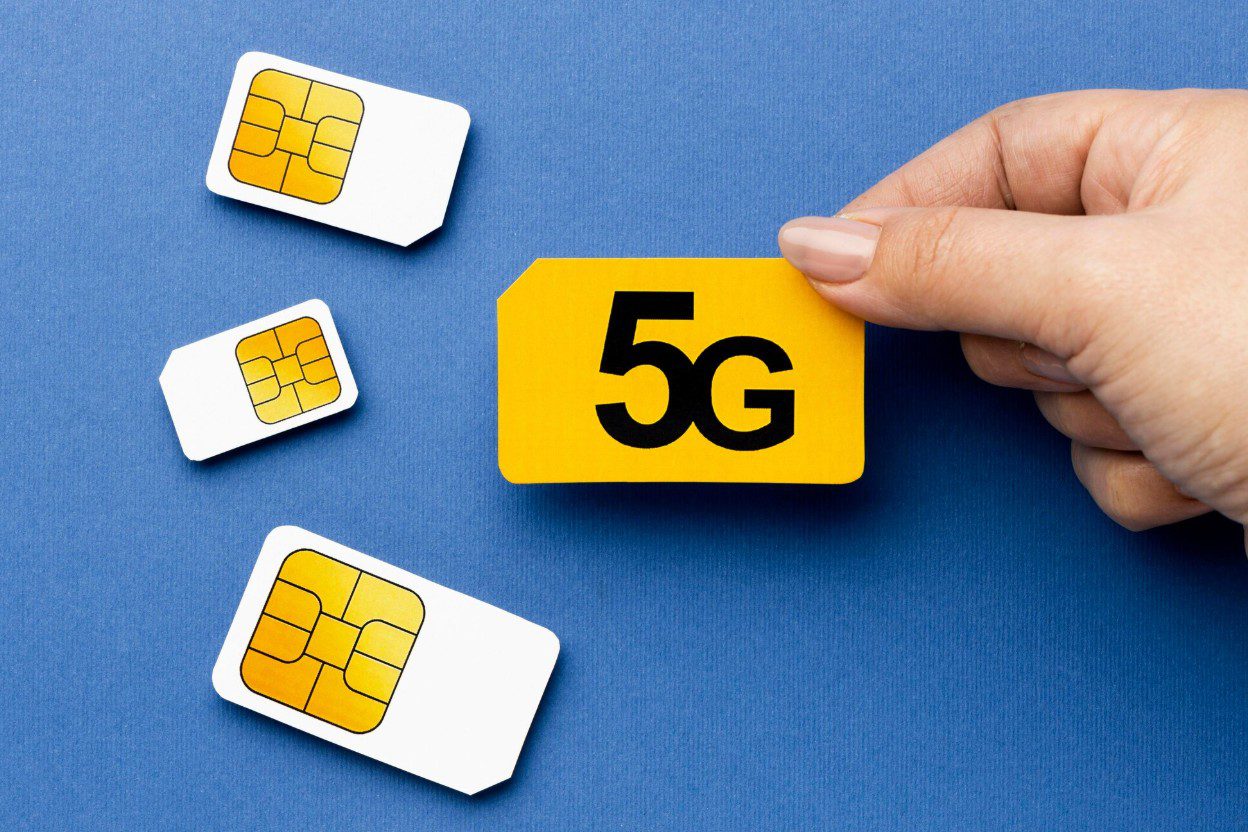
An eSIM is a digital SIM card built directly into your phone. Instead of inserting a physical card, you download a mobile plan onto your device — and switch between carriers without ever visiting a store. For travelers, this means you can have data ready before you even land.
What Does eSIM Stand For?
eSIM stands for embedded SIM. It works exactly like a regular SIM card — connecting your phone to a mobile network so you can use data, make calls, and send texts — but it lives inside your phone’s hardware rather than in a removable tray.
The technology has been around since 2016, but it became mainstream when Apple made the iPhone 14 (US version) eSIM-only, removing the physical SIM tray entirely. Most flagship Android phones have followed.
How Does an eSIM Work?
The process is simple:
- You buy an eSIM plan from a provider (Airalo, Holafly, Nomad, and others)
- You receive a QR code by email or through an app
- You scan the QR code in your phone settings — this takes about 2 minutes
- The plan is downloaded and activated on your device
- When you arrive at your destination, you turn on data roaming and you’re connected
No SIM tray. No tiny card to lose. No hunting for a phone shop after a 10-hour flight.
What’s the Difference Between an eSIM and a Regular SIM?
A regular SIM is a physical chip you insert into your phone. An eSIM is the same technology, but embedded in your phone’s motherboard. The key difference for travelers: you can install and switch eSIM plans remotely, without physically handling anything.
Most eSIM-compatible phones also keep their physical SIM tray, so you can run both simultaneously — your home SIM for calls and texts, your travel eSIM for data.
How Does an eSIM Connect to Local Networks?
When you buy an eSIM for a specific country, the provider has roaming agreements with local carriers in that country. Your phone automatically connects to one of those partner networks when you arrive. The exact network depends on the provider — some connect to the strongest available network, others are locked to a single carrier.
This matters more in countries with uneven coverage. If your eSIM is locked to a carrier with weak rural coverage, you’ll have problems outside cities. Good providers list which networks they use for each country — check before buying.
Can You Use an eSIM for Calls and Texts?
Most travel eSIMs are data-only. They give you an internet connection, but not a local phone number for voice calls or SMS. For most travelers this is fine — you can call and message through WhatsApp, FaceTime, or Signal over your data connection.
If you genuinely need a local number (for booking taxis, calling hotels, or receiving local SMS verification codes), you’re better off buying a local physical SIM on arrival.
How Much Does a Travel eSIM Cost?
Prices vary by destination and data amount. As a general guide:
- 1GB for 7 days in most European countries: $4–8
- 5GB for 30 days: $12–20
- Unlimited data plans: $19–35 per week depending on destination
This is almost always cheaper than international roaming through your home carrier, and usually cheaper than buying a local SIM once you factor in the time and hassle of finding a store.
Is an eSIM Safe to Use?
Yes. eSIM technology uses the same security standards as physical SIM cards. Your data is encrypted by the mobile network, not by the eSIM provider. The main practical risk is buying from an unknown provider — stick to established names with verifiable reviews.
Who Should Use a Travel eSIM?
An eSIM makes sense if you want data the moment you land, you’re traveling for two weeks or less, you don’t need a local phone number, and you’re visiting a country where local SIMs are inconvenient to buy (language barriers, airport shops closed on arrival, ID requirements).
If you’re staying somewhere for a month or more and need a local number, a physical SIM bought locally will almost always give you more data for less money.
 admin
admin