

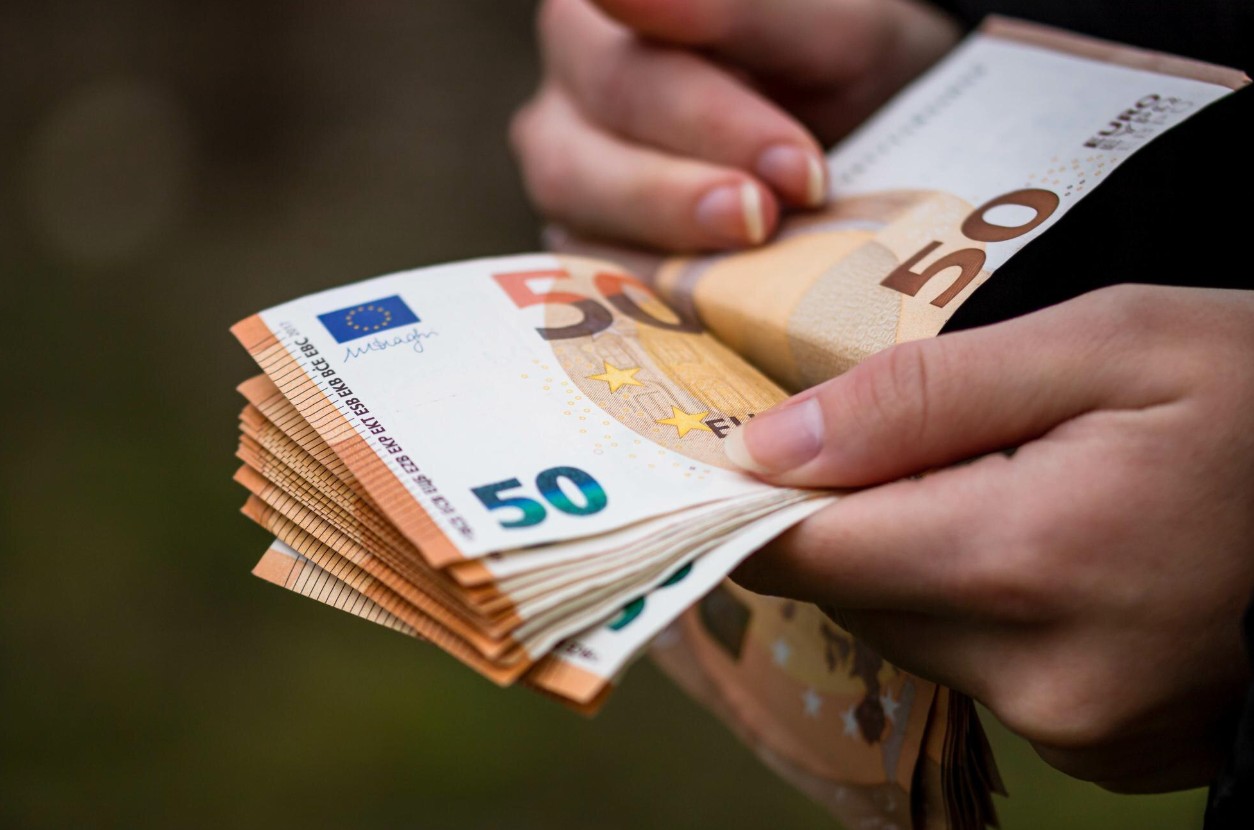
Hide your money while traveling by splitting it across at least three separate locations: a money belt worn under your clothes for your main stash, a decoy wallet with small bills for daily use, and an emergency backup hidden in your luggage or hotel room. This three-layer approach ensures that if one stash is compromised, you’re not left stranded.
Nearly a third of travellers (32%) stash cash in everyday items like sunscreen bottles, while 20% tuck it inside their shoes in hotel rooms and 13% hide it in their underwear. But many of these methods are risky if not done correctly. Here’s exactly how to protect your money — and what not to do.
How to Hide Money While Traveling: The Complete System
Layer 1: What You Carry on Your Body
Your primary stash should be in a money belt or neck pouch worn completely under your clothes. A good money belt sits around your stomach or waist, tucked under your pants or skirt, and can hold cash, credit cards, and your passport. Rick Steves recommends wearing a slim money belt tucked discreetly beneath your clothing as your “deep storage” for valuables. The hidden pocket style that attaches to your belt and lies beneath your pants is particularly effective — if someone discovers it, they have to get physically intimate with you to reach it, and there’s no way you wouldn’t notice.
For daily spending, carry a small amount in a front pocket or a small wallet. Never use a fanny pack as a money belt — thieves assume that’s where you keep your valuables. Outer pockets of backpacks and loose clothing pockets are also high-risk zones where money can easily fall out or be slipped out by a thief.
Layer 2: Your Daily Spending Cash
Carry only what you need for the day. Split this into two places: a small wallet or front pocket for larger notes, and a separate zippered pocket for smaller bills. This way, if you’re pickpocketed, you only lose part of your daily allowance. Use smaller notes when possible — pulling out high-value notes draws the wrong type of attention, and it’s easier to split and stash smaller notes. A good rule of thumb is the $100 Cash Rule: always carry the equivalent of about $100 in small notes split between your wallet and a separate pocket.
Layer 3: Emergency Backup Cash
This is your “insurance policy” — cash you hope you never need. Hide it in your luggage or hotel room in a creative location. Some effective options include:
- Inside a hollowed-out hairbrush, empty lip balm tube, or empty sunscreen bottle
- Rolled up inside socks or folded into the pages of a book
- Inside a sanitary napkin — these are seldom suspected for hiding cash
- In a zippered section of your toiletries bag
- Inside the handle of a hairbrush
Travel experts suggest hiding valuables in “empty bottles”, “empty suntan lotion containers”, and “empty lip balm” to avoid theft. Just make sure the containers are thoroughly cleaned first.
Common Misconceptions About Hiding Money While Traveling
Myth 1: “A money belt is enough on its own.”
Reality: If a pickpocket makes off with your money belt, you’ll be out of luck if you kept everything in that one place. The safest approach is to distribute your cash across multiple locations.
Myth 2: “My hotel room is secure.”
Reality: Wardrobes, under the bed, fridges, suitcases, under mattresses, and laundry baskets are some of the worst places to store things — they’re the first places thieves check. Even in-room safes are often the first place thieves will look or may take with them.
Myth 3: “Hiding money in my shoes is clever.”
Reality: While 20% of travellers tuck cash inside their shoes, this is actually one of the most obvious places for hotel thieves to check. Use less predictable spots instead.
Myth 4: “A fanny pack is a good place for valuables.”
Reality: “Don’t use a fanny pack as a money belt — thieves assume this is where you keep your goodies,” warns Rick Steves. Fanny packs signal “tourist” and are easy targets for quick grabs.
What to Do: A Step-by-Step System
- Before you leave home, split your cash into three tiers — daily spending money (keep accessible), primary stash (in a money belt), and emergency backup (hidden in luggage).
- Use a money belt as your deep storage — not a fanny pack. Wear it under your clothes, over your underwear but under your pants or skirt. Choose a hidden pocket style that attaches to your belt for maximum security.
- Carry only what you need for the day — sort out what money you need before heading out and keep the rest safely stashed where you’re staying. Use a front pocket or small wallet with zippered closure for easy access.
- Hide your emergency backup in creative spots — use empty sunscreen bottles, hollowed-out hairbrushes, or inside books. Avoid obvious places like under the mattress or in drawers.
- Use the hotel safe for extra cash and passports — but don’t rely on it exclusively. Only 18% of travellers ask someone to watch their belongings while swimming — instead, use a waterproof pouch or skip swimming with valuables entirely.
Insider tip: Carry a decoy wallet. Keep a cheap wallet with a small amount of cash and expired cards in an obvious place like your back pocket. If you’re confronted by a thief, hand over the decoy. Your real money stays hidden in your money belt. This is particularly effective in crowded areas like public transportation, where Rick Steves notes most pickpockets tend to strike.
Important Exceptions to Know
Beach and swimming scenarios require special planning. When you’re alone at the beach, hide your valuables in a waterproof pouch and bury it a bit in the sand, leaving a small marker for yourself. Alternatively, use a waterproof case that you can take into the water with you. Never leave valuables unattended on the beach — 18% of travellers ask someone to watch their belongings while swimming, but this relies entirely on that person’s reliability.
Some destinations require more cash than others. In countries like Cuba, American credit and ATM cards don’t work, so you may need to carry larger amounts of cash. In these cases, consider asking your hotel or host to hold extra money for you with a signed receipt. Also check customs rules — you must declare cash worth €10,000 or more when entering or leaving the EU.
Digital alternatives can reduce your cash risk. Pre-paid travel cards and multi-currency wallets offer competitive exchange rates and in-app features to control your finances. Using cards when possible is often safer — if a card gets stolen, you can block it instantly. But always keep backup cash for places that don’t accept cards.
RFID-blocking wallets add an extra layer of security. Use an RFID-blocking wallet or pouch to protect against digital theft of your credit card information. This is particularly important in crowded tourist areas where skimming devices are common.
Frequently Asked Questions
Where is the safest place to hide money while traveling?
The safest place is a money belt worn completely under your clothes, combined with a decoy wallet for daily use and an emergency backup hidden in your luggage. Never keep all your cash in one place.
Is it safe to hide money in a hotel room?
Only if you use creative, non-obvious spots. Avoid wardrobes, under the bed, fridges, suitcases, under mattresses, and laundry baskets — these are the first places thieves check. Use empty sunscreen bottles, hollowed-out hairbrushes, or inside books instead.
Should I use a money belt or a fanny pack?
Use a money belt worn under your clothes. Fanny packs signal “tourist” and are easy targets for thieves. A money belt is invisible and much more secure.
How much cash should I carry on me each day?
Carry only what you need for the day — typically $100–$200 in small notes split between your wallet and a separate pocket. Keep the rest in your money belt or hotel safe.
What should I do if my cash is stolen while traveling?
First, check everywhere you may have hidden it. Then figure out how much you’ll need for the rest of your trip. If you can’t get by with cards, contact friends or family to wire money through Western Union or a local bank. Always have your bank’s emergency numbers stored separately from your cards.
Can I hide money in my checked luggage?
It’s not recommended. Checked luggage can be lost, delayed, or tampered with. Always keep your primary cash and valuables in your carry-on or on your person.
The Bottom Line
Hiding money while traveling isn’t about finding one perfect spot — it’s about creating a layered system that protects you if any single layer fails. Use a money belt for your main stash, a decoy wallet for daily use, and creative hiding spots for emergency backup. Split your cash across multiple locations, carry only what you need for the day, and avoid obvious places like fanny packs and hotel room drawers. The goal isn’t to make your money impossible to find — it’s to make it inconvenient enough that a thief moves on to an easier target.