

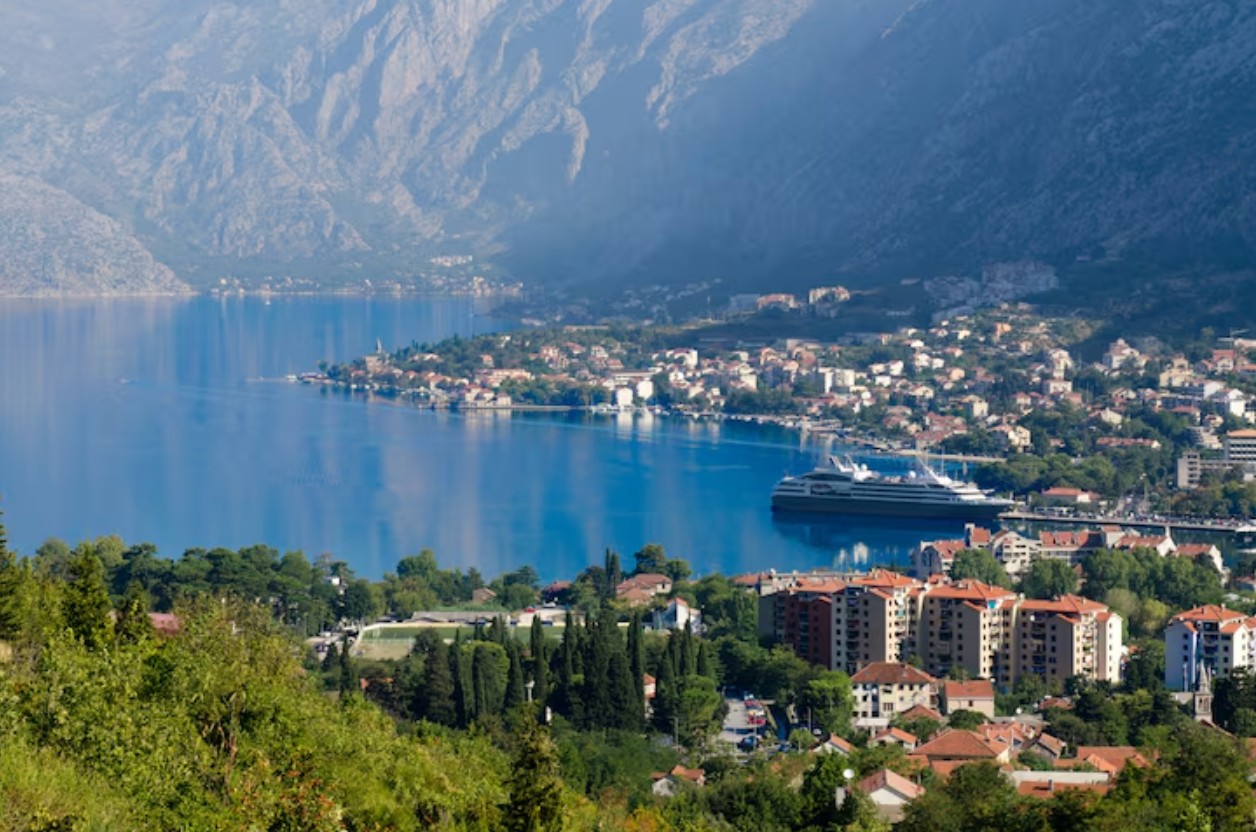
Montenegro is still relatively affordable to visit in 2026, especially compared with many established Adriatic and Western European destinations, but it is no longer accurate to describe the entire country as a cheap Balkan escape. The biggest distinction is geographical: Podgorica, Cetinje, Žabljak and many inland destinations can offer very good value, while Kotor, Budva, Perast and fashionable parts of the coast become considerably more expensive during July and August.
For a realistic Montenegro trip in 2026, a budget traveler should plan on approximately €50–70 per person per day, while €90–140 per day provides a comfortable mid-range budget with private accommodation, restaurant meals, buses or occasional car rental and paid attractions. Travelers choosing better coastal hotels, a rental car for the entire trip, boat tours and frequent restaurant meals can easily spend €160–250 or more per person per day, particularly during the peak summer season.
Montenegro is therefore best described as affordable rather than extremely cheap. Everyday expenses such as coffee, local restaurants and buses remain reasonable, but accommodation and transportation can change the budget quickly because the country’s most famous destinations are concentrated along a small and exceptionally popular stretch of Adriatic coastline.
How Much Does It Cost to Visit Montenegro in 2026?
A useful Montenegro budget should include accommodation, food, transportation inside the country, sightseeing and normal daily extras, while international flights are better calculated separately because their cost depends heavily on where you are traveling from and whether you fly into Podgorica, Tivat or a neighboring airport such as Dubrovnik.
- Budget traveler: approximately €50–70 per person per day.
- Mid-range traveler: approximately €90–140 per person per day.
- Comfortable traveler: approximately €160–250+ per person per day.
- Peak-season coastal trip: approximately €140–250+ per person per day can be realistic once higher accommodation rates, rental cars, parking, boat trips and restaurant spending are included.
These are planning ranges rather than fixed national averages, because a week in Montenegro can be constructed in completely different ways. Someone staying in a hostel in Kotor, traveling by bus and hiking independently will spend a fraction of what another traveler pays for a waterfront hotel, rental car and daily boat excursions, even though both are visiting exactly the same places.
Season matters almost as much as travel style. July and August produce the strongest demand for accommodation on the coast and are also the most expensive months for rental cars, while May, June and September usually give travelers a much better balance between warm weather, accessibility and price.
How Much Does One Week in Montenegro Cost?
For seven days in Montenegro excluding international flights, these are reasonable 2026 planning budgets:
- Budget trip: approximately €350–490 per person for one week.
- Mid-range trip: approximately €630–980 per person for one week.
- Comfortable trip: approximately €1,120–1,750+ per person for one week.
- Peak-summer coast-focused trip: €980–1,750+ per person can be realistic if you stay around Kotor and Budva, rent a car and book several paid activities.
A one-week itinerary that combines Kotor, Budva, Lake Skadar and Durmitor will generally cost more than a slower trip based in only two locations because transportation, parking and accommodation changes add up quickly. Montenegro looks tiny on a map, but winding mountain and coastal roads mean that moving every day is not always as efficient as the distances suggest.
Couples often receive better value than solo travelers because hotel rooms and rental cars can be divided between two people. A €100 double room costs €50 per person when shared, while a solo traveler who wants the same standard of accommodation has to absorb the entire cost.
Is Montenegro Still Cheap in 2026?
Yes, but with qualifications. Montenegro remains less expensive than many popular destinations around the Adriatic, particularly when it comes to ordinary restaurant meals, alcohol, buses and accommodation outside the most desirable coastal locations. Current price data puts an inexpensive restaurant meal at around €10 nationally, while a mid-range three-course meal for two averages roughly €42–45 before drinks.
The problem with describing Montenegro simply as “cheap” is that those national averages hide substantial regional differences. Budva, for example, currently averages around €12.50 for an inexpensive restaurant meal and approximately €60 for a mid-range dinner for two, while Podgorica remains closer to €10 and €40 respectively.
Accommodation varies even more. A family guesthouse or apartment in Žabljak can still represent excellent value, while a desirable room around Kotor Bay in August may cost several times as much as a comparable stay outside the summer season.
This means Montenegro can still work very well for budget travelers, but the cheapest version of the country is increasingly found away from the combination of July, August and the most famous parts of the coastline.
Accommodation Costs in Montenegro
Accommodation is usually the largest single expense in a Montenegro travel budget, particularly because the country has a pronounced summer season and a relatively small supply of rooms in some of its most desirable locations. Kotor Bay, Budva and the surrounding coast can experience substantial price increases between spring and August, while inland accommodation remains more stable.
Budget travelers can still find hostel beds from roughly €20–35 per night in major backpacker destinations, although popular hostels in central Kotor can cost more during the height of summer. Simple guesthouses and private apartments often begin around €40–70 outside peak season, while a comfortable mid-range double room commonly falls somewhere around €70–130 depending on destination and dates.
In Kotor and Budva during July and August, a realistic private-room or apartment budget is often closer to €70–140 per night, while mid-range hotels can move toward €100–180 or more. Waterfront hotels, boutique properties and higher-end stays around Kotor Bay can easily exceed €200 per night.
Current hotel-price tracking illustrates the seasonality particularly clearly. Montenegro-wide hotel rates rise strongly through June before reaching their highest levels in July and August, while Kotor-specific price data also shows August as one of the most expensive months of the year.
Where Accommodation Is Most Expensive
Kotor is one of the destinations where Montenegro’s affordability can disappear fastest, especially if you insist on staying inside the Old Town or directly beside the waterfront during peak summer. Limited space, cruise tourism and strong international demand all contribute to higher prices.
Budva also becomes expensive in July and August, although the town and surrounding resort area have a larger accommodation market, which means travelers can sometimes find better-value apartments by staying outside the Old Town or slightly inland from the beach.
Perast is small and atmospheric but has relatively limited accommodation, while luxury developments around the Bay of Kotor and Tivat cater to a completely different market from traditional budget Balkan travel.
Where Accommodation Is Cheaper
Podgorica generally offers better accommodation value than the coast, although many travelers spend only a night there because the capital is not the main reason they come to Montenegro. Cetinje can also be inexpensive and works well for travelers interested in history, Lovćen National Park and a quieter base away from coastal crowds.
Žabljak and other northern destinations can offer good value during much of the hiking season, although the best properties still become busy in July and August. Staying inland for part of your trip is therefore one of the easiest ways to reduce the average nightly cost without lowering the overall quality of the experience.
How Much Does Food Cost in Montenegro?
Food is still relatively affordable in Montenegro, especially if you compare ordinary restaurants with prices in more expensive Western European or Adriatic destinations. Current national price data puts an inexpensive restaurant meal at approximately €10, while a three-course meal for two at a mid-range restaurant averages around €42–45 before drinks.
A domestic draft beer costs roughly €2.50–3 on average, while a cappuccino is generally around €2–3 depending on location. Budva sits toward the upper end, where a cappuccino currently averages about €3 and a domestic beer around €3.50, while Podgorica remains somewhat cheaper.
A budget traveler who mixes bakery breakfasts, supermarket snacks and inexpensive local restaurants can keep food spending around €20–30 per day. A traveler eating two or three restaurant meals and ordering drinks should budget closer to €35–55 per day, while seafood restaurants and fashionable waterfront venues can take the total considerably higher.
Cheap Food in Montenegro
The easiest way to save money is to avoid treating every meal as a waterfront dining experience. Bakeries remain useful for inexpensive breakfasts and snacks, while dishes such as burek, grilled meat, ćevapi and other simple regional food can cost substantially less than seafood served beside the marina.
Local supermarkets also make self-catering practical, particularly if you stay in an apartment. This can save a surprising amount during a week on the coast because restaurant prices may be reasonable individually but become significant once breakfast, lunch, dinner, coffee and drinks are purchased outside every day.
Restaurant Prices in Kotor and Budva
Kotor’s overall restaurant pricing remains relatively moderate by international tourism standards, with current data showing an inexpensive meal at around €10 and a mid-range dinner for two at approximately €40 before drinks, although restaurants directly inside the Old Town can vary considerably.
Budva is generally more expensive for dining, with current averages around €12.50 for an inexpensive meal and approximately €60 for a three-course dinner for two. The difference is not enormous on a single meal, but it becomes noticeable over a week if every lunch and dinner is eaten in the most tourist-oriented parts of town.
Transport Costs in Montenegro
Public transport is one of the areas where Montenegro can still be genuinely inexpensive. Intercity buses connect Kotor, Budva, Podgorica, Herceg Novi and many other destinations, making it possible to build a coastal itinerary without renting a car.
Current summer listings show Kotor to Budva bus tickets commonly costing around €4–6 one way, while Podgorica to Kotor services are generally around €7.50–10 depending on the departure and operator. Additional baggage may sometimes cost extra, so the advertised ticket should not always be interpreted as the complete price when traveling with a large suitcase.
Buses work particularly well between the main coastal towns, but they become less convenient for a fast-moving itinerary through national parks, small villages and mountain destinations. This is where travelers have to decide whether saving money or maximizing flexibility matters more.
Are Buses Cheap in Montenegro?
Yes. For a solo traveler moving between major towns, buses are significantly cheaper than renting a car, especially during July and August when vehicle rental prices peak.
A traveler moving between Kotor and Budva for roughly €5 or between Podgorica and Kotor for under €10 is unlikely to save money by renting a vehicle purely for those journeys once fuel, parking and insurance are taken into account.
The disadvantage is that buses cannot take you conveniently to every hiking trail, viewpoint, village or isolated beach, so many travelers use public transport for the coastal portion of the trip and rent a car only for a few days inland.
How Much Does It Cost to Rent a Car in Montenegro?
Car rental is one of the expenses most affected by season. Current 2026 pricing data shows average base rental costs of roughly €15–20 per day in some low and shoulder-season months, increasing to approximately €60 per day in August.
This difference is large enough to change the economics of an entire trip. A seven-day car rental costing around €20 per day is a relatively small addition for a couple, while seven days at €60 before fuel, insurance and parking can add several hundred euros to the same itinerary.
A rental car becomes particularly valuable if you want to explore Durmitor, Lake Skadar, Lovćen, Piva Lake or smaller coastal settlements on your own schedule. It is much less necessary if your entire itinerary consists of Kotor, Budva and Herceg Novi.
Remember to compare the final rental price rather than the initial advertised rate. Full insurance, automatic transmission, additional drivers, child seats, cross-border permission and airport fees can all increase the total.
Parking Costs in Montenegro
Parking deserves its own place in a Montenegro travel budget because it can become both expensive and inconvenient on the coast. Kotor Old Town is pedestrianized, which means drivers have to use parking outside the walls, and the most convenient spaces fill quickly during cruise arrivals and peak summer days.
Budva presents similar problems around the Old Town and popular beaches. Even when the hourly fee itself is not particularly high, paying for parking several times every day can undermine some of the savings associated with renting a cheap car.
When choosing accommodation, free private parking can therefore have real financial value. A room that costs €10 more per night but includes parking may ultimately be cheaper than a slightly less expensive property where the car has to remain in a paid lot.
How Much Do Taxis Cost in Montenegro?
Taxis remain affordable compared with many Western European destinations but should not be treated as budget transport for an entire trip. They make most sense for airport arrivals, short local journeys or groups who can divide the cost between several people.
A short taxi shared by three or four travelers may compete well with buying several individual bus tickets, while a solo traveler taking taxis between towns will spend dramatically more than someone using the bus network.
Agree on the approximate price before departure if there is no clearly functioning meter, particularly around airports and major tourist areas, and ask your accommodation about normal local fares if you are unsure what a journey should cost.
How Much Do Attractions Cost in Montenegro?
Montenegro can be inexpensive for sightseeing because many of its strongest attractions are landscapes, old towns and beaches that require little or no admission fee. Walking through Kotor Old Town, exploring Budva’s historic center or driving through mountain scenery can occupy large parts of a day without a major attractions budget.
Some headline sights do charge admission. The official fee for climbing Kotor’s city walls and the route toward San Giovanni Fortress is €15 per person, which makes it relatively expensive compared with many other individual attractions in the country.
Montenegro’s national parks are much cheaper. Current park entry fees generally range from approximately €3 to €5 per person depending on the park, while the annual pass covering all five national parks costs only €13.50 in 2026.
That annual ticket can be excellent value even for a normal tourist rather than a long-term visitor. If you plan to visit Durmitor, Lovćen, Lake Skadar and Biogradska Gora during the same road trip, purchasing the all-parks option can cost less than paying separately at several entrances.
How Much Does Durmitor National Park Cost?
Durmitor itself is relatively inexpensive to visit, particularly if your main activities are hiking, scenic driving and visiting Black Lake. National park entry belongs to the €3–5 range used across Montenegro’s protected areas, so admission is unlikely to be a major part of your budget.
The costs rise when you add commercial experiences such as Tara River rafting, guided canyoning or organized day tours. These activities can cost dozens of euros per person and should be budgeted separately rather than included in a basic park-entry allowance.
Žabljak also tends to provide better accommodation value than Kotor or Budva, so adding two or three nights in northern Montenegro can actually lower the average daily cost of a trip even if you pay for several outdoor activities.
How Much Does Kotor Cost?
Kotor is one of Montenegro’s most expensive mainstream destinations, primarily because international demand is concentrated into a relatively small area around the Old Town and Bay of Kotor. The city can still be visited on a budget, but accommodation rather than food is usually the main challenge.
A backpacker using a hostel, eating at bakeries and casual restaurants and exploring the bay independently can keep spending relatively moderate, while a traveler choosing a hotel in or beside the Old Town can see the daily cost rise quickly during summer.
Current hotel price tracking places typical Kotor accommodation significantly higher in August than during winter and shoulder season, while better-positioned properties commonly move above €100 per night during the busiest period.
The €15 city-wall admission also makes Kotor slightly more expensive for sightseeing than some other Montenegrin towns, although the Old Town itself is free to wander and most of the bay scenery can be enjoyed without an entrance fee.
How Much Does Budva Cost?
Budva is not necessarily cheaper than Kotor once you include restaurant spending, nightlife and beach-related expenses. Current local price data puts an inexpensive meal at around €12.50 and a three-course dinner for two at roughly €60 before drinks, making Budva somewhat more expensive than the national average for dining.
Accommodation becomes particularly expensive in July and August, although the wider Budva Riviera has enough apartments and hotels that travelers who book early and stay away from the Old Town can often find better value than directly beside the waterfront.
The main budget risk in Budva is accumulation: a hotel near the beach, several restaurant meals, cocktails, paid beach facilities and taxis after nightlife can turn what looks like an affordable destination into a fairly expensive Mediterranean holiday.
How Much Does Podgorica Cost?
Podgorica is noticeably less expensive than Montenegro’s main coastal tourism centers. Current restaurant data puts an inexpensive meal at around €10 and a three-course dinner for two at approximately €40, while cappuccino averages under €2.
Accommodation also tends to provide better value than Kotor and Budva, particularly because Podgorica has less seasonal international leisure demand. For travelers flying into the capital, spending a night here can therefore make financial sense rather than paying for an expensive late-night transfer directly to the coast.
The city is also useful as a transport hub for Lake Skadar, Cetinje and northern Montenegro, although most first-time visitors devote a larger percentage of their trip to the coast and mountains.
Is the Montenegro Coast Expensive?
The coast is the most expensive part of Montenegro during summer, but the amount you spend depends heavily on exactly where you stay. Kotor Old Town, Perast, Budva and premium waterfront developments sit at the upper end, while less internationally famous coastal towns can offer noticeably better value.
Herceg Novi, Bar, Ulcinj and accommodation outside the center of the Bay of Kotor can all be worth comparing if price matters more than staying beside the most famous attractions.
Traveling in June or September is another major advantage. You can still enjoy warm weather and the sea while avoiding some of the accommodation and rental-car pressure associated with July and August.
How Much Does Montenegro Cost in July and August?
July and August are the months when Montenegro is least convincing as a budget destination. Coastal hotels reach their strongest demand, rental cars become substantially more expensive, parking is harder to find and restaurants in major tourist centers operate at full summer pricing.
A disciplined backpacker using hostels and buses can still keep spending around €50–70 per day, but finding suitable budget accommodation requires considerably more planning than it does in spring or autumn.
A mid-range coastal traveler should budget closer to €100–150 per person per day, especially if accommodation is shared between two people. Solo travelers wanting private rooms may need more because the entire room cost falls on one budget.
Once a better hotel, rental car, boat tour and regular restaurant meals are included, €150–250 per person per day becomes entirely plausible without the trip feeling especially luxurious.
How Much Does Montenegro Cost in May, June or September?
May, June and September generally offer the strongest value for travelers who want to experience both the coastline and mountains. Accommodation demand is lower than during the peak summer weeks, car rentals can be dramatically cheaper and the main tourism infrastructure remains widely available.
June and September are particularly useful because swimming conditions are generally good while Durmitor and other mountain areas are also practical for outdoor travel. This allows you to experience the parts of Montenegro that justify the trip without paying the maximum seasonal price for every component.
If your dates are flexible, changing an August trip to June or September is one of the most effective ways to reduce the budget without fundamentally changing the itinerary.
How Much Does Mobile Data Cost in Montenegro?
Mobile data is one of the cheapest travel expenses in Montenegro because local operators offer unusually large tourist packages. In summer 2026, m:tel offers a tourist eSIM with 500GB of domestic data valid for 15 days for €15, while its €20 package includes 1TB for 30 days.
The packages also include smaller allowances that can be used within the Western Balkans roaming zone, which can be useful if Montenegro is part of a longer trip through Serbia, Bosnia and Herzegovina, Albania or North Macedonia.
International travel eSIM providers may still be more convenient if you want everything installed before departure or one plan covering several countries, but anyone spending most of the trip in Montenegro should compare local tourist eSIMs before paying substantially more for a small international data allowance.
Do You Need Cash in Montenegro?
Montenegro uses the euro even though it is not a member of the European Union or the eurozone, which makes budgeting particularly simple for travelers arriving from countries that already use the currency.
Cards are widely accepted in hotels, supermarkets and many restaurants, particularly in major tourist destinations, but carrying cash remains useful for buses, small cafés, some private accommodation, local parking and smaller businesses.
ATMs are easy to find in towns, although withdrawal fees depend on both the local ATM operator and your own bank. Travelers can reduce unnecessary charges by withdrawing less frequently and avoiding dynamic currency conversion if their card is denominated in another currency.
Tourist Tax in Montenegro
Montenegro has a local accommodation or tourist tax that visitors may see added separately to their room price. The amount can vary according to municipality and traveler category, so it should not be assumed that every destination applies exactly the same fee.
In Budva, the official 2026 tourist stay tax is €1 per adult per night. Licensed accommodation providers are responsible for registering guests and handling the relevant payment process, although travelers staying in private accommodation should still confirm that registration has been completed correctly.
The tax is small compared with accommodation itself, but it is worth including in the budget because a seven- or ten-night stay can otherwise leave a minor unexpected amount to pay on arrival or departure.
Budget Montenegro: What €50–70 per Day Looks Like
Traveling Montenegro for approximately €50–70 per person per day remains possible in 2026, although it requires more planning on the coast than it did when Montenegro received fewer international visitors.
- Stay in hostel dorms or inexpensive guesthouses rather than waterfront hotels.
- Travel mainly by intercity bus.
- Use bakeries and simple local restaurants for some meals.
- Spend several nights in each destination instead of moving every day.
- Prioritize hiking, old towns and free outdoor attractions.
- Rent a car only for the part of the itinerary where it genuinely saves time.
- Travel in May, June or September rather than August whenever possible.
- Stay outside Kotor Old Town or central Budva if accommodation prices are high.
A budget like this is easier for a backpacker using dormitories than for a solo traveler who wants a private room every night. Couples can also reduce the per-person cost considerably by splitting guesthouses and occasional taxis.
Mid-Range Montenegro: What €90–140 per Day Looks Like
Montenegro provides particularly good value around the mid-range level outside peak summer because this budget is usually enough to combine comfortable private accommodation with restaurant meals, buses, paid attractions and occasional taxis or car rental.
- Comfortable private guesthouse, apartment or mid-range hotel.
- Restaurant meals every day without relying exclusively on the cheapest options.
- Intercity buses plus occasional taxi journeys.
- A rental car for several days rather than necessarily for the entire trip.
- Entry to Kotor’s walls and several national parks.
- One or two organized experiences such as a boat tour or guided excursion.
For couples traveling in June or September, this budget can provide a very comfortable trip. During August, the same amount may require compromises on accommodation around Kotor or Budva because the room can consume most of the day’s allowance before food and activities are added.
Comfortable Montenegro: What €160–250+ per Day Looks Like
At approximately €160–250 per person per day, travelers can choose better coastal hotels, eat almost exclusively in restaurants, keep a rental car for most of the trip and book several organized experiences without calculating every small purchase.
This budget still does not necessarily mean luxury in Kotor or Budva during August. Waterfront boutique hotels alone can consume a substantial part of the allowance, especially for solo travelers, while genuinely luxury accommodation around Kotor Bay operates at a much higher price level.
Outside peak season, the same budget stretches much further and can provide a noticeably higher standard of hotel, dining and transportation.
Is Montenegro Cheap for Solo Travelers?
Montenegro can still be affordable for solo travel, but accommodation and rental cars make it less budget-friendly for one person than for a couple. A private €90 room costs exactly €90 to a solo traveler and only €45 per person when shared, while the same logic applies to taxis and car rental.
The bus network helps compensate for this because a solo traveler can move between Kotor, Budva and Podgorica for only a few euros without paying for a private vehicle. Hostels are another effective option, particularly in Kotor and Budva.
A solo traveler who wants private rooms throughout the trip should therefore budget closer to the upper end of the €90–140 mid-range allowance, especially on the coast.
Is Montenegro Cheap for Couples?
Montenegro offers considerably better value for couples because accommodation, rental cars, parking and taxis can all be shared. Two travelers spending €100 on a hotel and €40 on a rental car are paying only €70 each before food and activities, whereas a solo traveler would pay the full €140.
This makes a road trip particularly attractive for two people. A couple can rent a small car, divide fuel costs and explore Lake Skadar, Durmitor and the coast while keeping the per-person transportation budget relatively reasonable.
Is Montenegro Cheaper Than Croatia?
Montenegro remains cheaper than Croatia in several everyday categories, although the gap is smaller in premium coastal tourism than broad country-level comparisons suggest. Current June 2026 price data puts an inexpensive restaurant meal at around €10 in Montenegro compared with €12 in Croatia, while a mid-range three-course dinner for two averages approximately €42.50 in Montenegro and €60 in Croatia.
Beer, soft drinks and several basic grocery items are also generally cheaper in Montenegro. Accommodation is harder to compare nationally because Dubrovnik, Split, Kotor and Budva all have extremely seasonal markets, but Montenegro can still offer better value if you travel outside the most expensive coastal pockets.
The difference becomes much less obvious if you compare a luxury Kotor Bay hotel directly with ordinary accommodation somewhere on the Croatian mainland. Travel style matters more than the country name once you move into the premium market.
Is Montenegro More Expensive Than Albania?
Generally, yes. Current 2026 price data shows an inexpensive restaurant meal averaging approximately €10 in Montenegro compared with around €8.40 in Albania, while cappuccino, domestic beer and several other everyday expenses are also somewhat cheaper in Albania.
The difference is particularly noticeable for budget travelers because Montenegro’s most popular destinations are concentrated around Kotor and Budva, where accommodation can be expensive. Albania has a larger selection of lower-cost inland cities and towns that make it easier to keep the overall daily average down.
Montenegro can nevertheless compare favorably if you travel in shoulder season, spend part of the trip inland and avoid paying peak prices for accommodation around Kotor Bay.
How to Save Money in Montenegro
- Travel in May, June or September. This is the biggest single opportunity to reduce hotel and rental-car costs while retaining good weather.
- Use buses along the coast. Paying approximately €4–6 between Kotor and Budva is difficult for a rental car to beat once parking and fuel are included.
- Rent a car only for inland Montenegro. Use public transport for Kotor and Budva, then rent a vehicle for Durmitor, Lake Skadar or a road-trip section.
- Stay outside Kotor Old Town. Dobrota, Muo and other nearby areas can offer better value while keeping the Old Town within easy reach.
- Choose apartments with kitchens. Preparing breakfast or an occasional dinner can reduce restaurant spending significantly during a longer stay.
- Buy the national parks annual pass. At €13.50 for all five parks in 2026, it can be excellent value for a nature-focused itinerary.
- Use a local tourist eSIM. Montenegro’s local mobile packages provide enormous data allowances for €15–20.
- Check whether accommodation includes parking. Free parking can have meaningful value in crowded coastal destinations.
- Eat away from the most obvious waterfront locations. Walking a few streets away from a marina or tourist square often gives you more choice at lower prices.
- Avoid unnecessary taxis between major towns. Intercity buses are frequent enough on the main coastal routes to save substantial money.
Hidden Costs to Budget for in Montenegro
Montenegro rarely becomes expensive because of one unexpected fee; the more common problem is several relatively small expenses accumulating throughout a coastal road trip.
- Parking around Kotor, Budva and popular beaches.
- Tourist tax charged per night.
- Rental-car insurance and fuel.
- Additional luggage charges on some intercity buses.
- The €15 Kotor city-wall entrance fee.
- Boat trips around the Bay of Kotor or Lake Skadar.
- Tara River rafting and other organized outdoor activities.
- ATM withdrawal fees.
- Airport transfers when public transportation would have been possible.
- Premium waterfront restaurants and bars.
A traveler who budgets only for hotel rooms and meals can therefore underestimate the total cost by a meaningful amount, particularly on a road trip where parking, fuel and attractions appear every day.
Is Montenegro a Good Budget Destination?
Montenegro remains a good budget destination if your definition of budget travel is finding excellent scenery, historic towns, beaches and mountain landscapes without paying Western European prices. It is a much less convincing budget destination if your plan consists exclusively of waterfront accommodation in Kotor and Budva during August.
The country’s strongest financial advantage is that many of its best experiences are naturally inexpensive: hiking in Durmitor, exploring medieval towns, driving mountain roads and swimming along the Adriatic coast do not require an expensive attraction ticket.
The challenge is accommodation and transportation during the summer peak, which is why season and itinerary design matter far more here than simply searching for the cheapest restaurant or saving a euro on coffee.
Frequently Asked Questions
Is Montenegro cheap to visit in 2026?
Montenegro is relatively affordable by European and Adriatic standards, but prices vary dramatically by region and season. Inland destinations remain good value, while Kotor and Budva can become expensive in July and August, particularly for accommodation.
How much money do I need per day in Montenegro?
Budget travelers should plan approximately €50–70 per person per day, while €90–140 is a realistic mid-range budget. Travelers choosing better hotels, rental cars and organized activities should budget around €160–250 or more per day.
How much does a week in Montenegro cost?
Excluding international flights, approximately €350–490 per person can cover a disciplined budget trip, while a mid-range week is more realistically around €630–980. Comfortable travel can cost €1,120–1,750 or more, particularly during summer on the coast.
How much is a meal in Montenegro?
Current national price data puts an inexpensive restaurant meal at around €10 and a three-course mid-range meal for two at roughly €42–45 before drinks. Budva is somewhat more expensive, while Podgorica generally sits closer to or below the national average.
Is food cheap in Montenegro?
Food is still relatively affordable compared with many Western European destinations. Bakeries, casual restaurants and local dishes provide particularly good value, while waterfront restaurants in Kotor, Budva and other tourist centers can be considerably more expensive.
Is public transport cheap in Montenegro?
Yes. Current bus fares between Kotor and Budva are commonly around €4–6, while Podgorica to Kotor costs roughly €7.50–10 depending on the service. Buses are one of the easiest ways for solo travelers to keep costs down.
How expensive is car rental in Montenegro?
Car rental is highly seasonal. Current 2026 data shows average base prices around €15–20 per day during some cheaper months, increasing to approximately €60 per day in August before insurance, fuel and parking are added.
Is Kotor expensive?
Kotor is one of Montenegro’s more expensive destinations, particularly for accommodation in July and August. Food remains relatively reasonable, but hotel prices, parking, boat trips and the €15 city-wall ticket can push the daily budget higher than in inland Montenegro.
Is Budva expensive?
Budva is relatively expensive by Montenegrin standards during summer. Current restaurant data shows an inexpensive meal averaging around €12.50 and a mid-range dinner for two around €60, while accommodation prices also rise substantially during July and August.
Is Montenegro cheaper than Croatia?
Montenegro remains cheaper in several everyday categories. Current 2026 data puts restaurant meals and many drinks below Croatian averages, although premium coastal accommodation can narrow the difference considerably.
Is Montenegro cheaper than Albania?
Generally no. Albania remains somewhat cheaper for everyday food, coffee and many forms of accommodation, while Montenegro’s concentration of tourism around Kotor and Budva makes it more difficult to maintain an extremely low daily budget during summer.
What is the cheapest time to visit Montenegro?
Winter offers the lowest demand on much of the coast, but it does not provide the same experience because many seasonal tourism businesses reduce operations. For the best combination of lower prices and good travel conditions, May, June and September are generally more useful than visiting in the middle of winter.
What is the cheapest part of Montenegro to visit?
Podgorica, Cetinje and many inland or northern destinations generally provide better value than Kotor and Budva. Žabljak can also be reasonably priced compared with the coast, particularly outside the busiest summer weeks.
So, Is Montenegro Cheap to Visit in 2026?
Montenegro remains an affordable European destination in 2026, but it is no longer a place where travelers should arrive assuming that everything will be inexpensive simply because they are in the Balkans. A €10 restaurant meal, €5 intercity bus ticket and inexpensive national park entry still provide excellent value, while a Kotor hotel in August, week-long rental car and several private boat trips can produce a completely different budget.
For most travelers, approximately €90–140 per person per day is a realistic mid-range allowance that provides a comfortable trip without requiring constant financial compromises. Backpackers using buses, hostels and inexpensive restaurants can still keep spending around €50–70 per day, while travelers prioritizing hotels, private transportation and organized activities should expect €160–250 or more.
The best-value version of Montenegro is usually found by traveling in June or September, using buses for the main coastal towns, renting a car only when exploring places where it genuinely adds value and spending part of the trip in inland destinations such as Durmitor rather than remaining exclusively around Kotor and Budva.
Montenegro is therefore not the cheapest destination in the Balkans, and travelers comparing it directly with Albania will usually find Albania somewhat less expensive. Compared with Croatia and many other Adriatic destinations, however, Montenegro can still deliver very strong value, particularly if you avoid the combination of peak summer, waterfront accommodation and a fully car-dependent itinerary.