

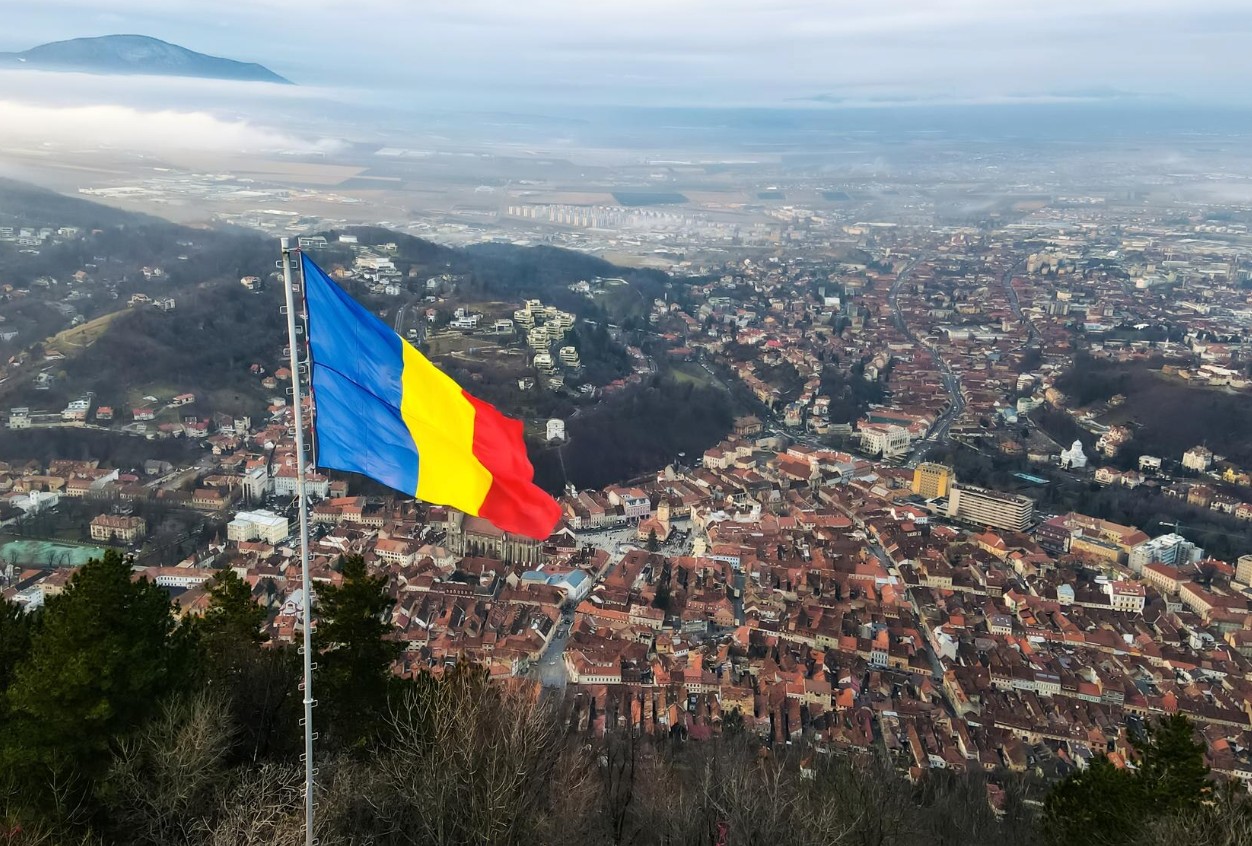
Romania is still an affordable European destination in 2026, but it is no longer the ultra-cheap country described in many older backpacking guides. Restaurant meals, accommodation in the most visited Transylvanian cities and summer rental cars have all become more expensive, while Bucharest and Cluj-Napoca now have everyday prices that are noticeably higher than those found in several neighboring Balkan countries. At the same time, public transportation remains inexpensive, intercity trains can offer very good value, hostel accommodation is still widely available and many of Romania’s most memorable experiences involve old towns, mountain landscapes and historic streets that cost little or nothing to explore.
For most visitors, a realistic Romania travel budget is approximately €40–60 per person per day for budget travel, around €70–110 for a comfortable mid-range trip and approximately €130–200 or more for travelers choosing better hotels, rental cars, frequent restaurant meals and paid attractions. A Black Sea holiday in July or August can cost considerably more than an inland trip through Bucharest, Sibiu and smaller Transylvanian towns, while traveling as a couple usually reduces the per-person cost because hotel rooms and rental cars are shared.
The country also has significant regional price differences. Bucharest is one of the more expensive places for restaurants, Cluj-Napoca currently has the country’s highest overall cost-of-living index, Brașov combines tourism demand with relatively expensive accommodation, while cities such as Sibiu, Oradea and smaller regional towns can feel substantially cheaper. Romania is therefore best described as good value rather than uniformly cheap.
How Much Does It Cost to Visit Romania in 2026?
Your Romania travel cost depends primarily on accommodation, how much of the country you cover and whether you rely on trains or rent a car. Ordinary food and city transport are rarely the largest expenses, while moving through several regions by car, staying around Brașov in high season or booking a Black Sea hotel during summer can raise the total substantially.
- Budget traveler: approximately €40–60 per person per day.
- Mid-range traveler: approximately €70–110 per person per day.
- Comfortable traveler: approximately €130–200+ per person per day.
- Road-trip traveler: approximately €90–140+ per person per day when accommodation and the car are shared.
- Peak-summer Black Sea traveler: approximately €100–180+ per person per day depending heavily on accommodation.
These ranges exclude international flights because airfare depends primarily on where you are traveling from. They are intended for independent travel rather than luxury hotels, private guides or premium resort packages, all of which can move the upper limit much higher.
How Much Does One Week in Romania Cost?
For a seven-day trip excluding international flights, these are useful planning ranges:
- Budget trip: approximately €280–420 per person.
- Mid-range trip: approximately €490–770 per person.
- Comfortable trip: approximately €910–1,400+ per person.
A backpacker traveling between Bucharest and Brașov by train, staying in dorms and eating in inexpensive restaurants can remain near the lower end. A couple sharing private rooms and traveling by train through Bucharest, Brașov, Sibiu and Sighișoara can have a comfortable trip without approaching the upper range.
A one-week road trip is more expensive because the rental vehicle and fuel create fixed daily costs, although sharing them between two or more people makes a substantial difference. Summer travel to Mamaia or another Black Sea resort also requires a higher accommodation allowance than a cultural trip through inland Romania.
What Currency Does Romania Use?
Romania uses the Romanian leu, usually abbreviated RON and often referred to as lei in the plural. Romania is a member of the European Union but does not use the euro as its official currency.
In late August 2026, the exchange rate is approximately 5.25 RON to €1. The leu has weakened against the euro compared with the beginning of the year, so travelers using old articles that assume an exchange rate close to five lei per euro should update their calculations.
- 5 RON is approximately €1.
- 25 RON is approximately €4.75.
- 50 RON is approximately €9.50.
- 100 RON is approximately €19.
- 250 RON is approximately €48.
- 500 RON is approximately €95.
Using five RON to one euro is still convenient for quick mental calculations, but it slightly overestimates the euro value of a Romanian price at the current exchange rate.
Is Romania Still Cheap in 2026?
Romania remains inexpensive compared with many Western European destinations, particularly when public transport, accommodation outside the most popular tourism centers and local restaurants are considered. It is less convincing to describe it as extremely cheap when comparing Bucharest, Cluj or summer Brașov with neighboring Balkan destinations.
Current data shows an inexpensive restaurant meal in Bucharest at around 70 RON, or approximately €13, while a three-course mid-range dinner for two averages about 280 RON, or roughly €53. A cappuccino costs around 16–17 RON and a domestic draft beer approximately 18 RON.
Brașov is slightly cheaper for a basic restaurant meal, averaging about 57.5 RON, while a mid-range dinner for two is approximately 250 RON. Constanța sits in a similar range, with an inexpensive meal around 60 RON and a dinner for two around 300 RON.
This means Romania remains attractive for travelers who want to eat in restaurants daily without Western European restaurant bills, but it is no longer realistic to plan a trip around the assumption that every full restaurant meal will cost €5.
Accommodation Costs in Romania
Accommodation varies more than almost any other part of a Romania travel budget because the country combines inexpensive city hostels, family-run Transylvanian guesthouses, ski resorts, Black Sea hotels and international properties in Bucharest.
For planning purposes, these ranges are useful:
- Hostel dorm bed: approximately €8–20 per person.
- Simple guesthouse or basic private room: approximately €25–45 per room.
- Budget hotel or apartment: approximately €35–60 per room.
- Comfortable mid-range city hotel: approximately €55–90 per room.
- Better central or boutique hotel: approximately €80–130+ per room.
- Brașov during busy summer periods: commonly €70–110+ for many conventional hotels.
- Mamaia and popular Black Sea resorts in summer: approximately €80–140+ for many mid-range properties, with premium beachfront accommodation considerably higher.
Those ranges are more useful than one national hotel average because seasonal and regional differences are large. A guesthouse in a smaller Transylvanian town can cost less than half the price of a similarly rated hotel near the beach during August.
How Much Does Accommodation Cost in Bucharest?
Bucharest has a large accommodation market, so both extremely cheap hostels and expensive international hotels are available. Current hostel listings commonly show ordinary dorm beds around €7–18, although occasional promotional rates can appear below that range.
For conventional hotels, current booking-market data places the average base rate of commonly viewed Bucharest hotels at around $89 per room in July and August, rising above $100 during several other months. These averages represent a broad mix of properties rather than the minimum required for a comfortable stay, and inexpensive apartments and guesthouses can still be found well below the market average.
A useful budget for a private room is approximately €35–55 at the lower end and around €55–90 for comfortable mid-range accommodation. Travelers wanting a four-star property in a particularly central location should expect to spend more.
Bucharest’s inexpensive public transport means you do not necessarily need to pay the highest Old Town accommodation premium. Staying close to a metro station outside the nightlife-heavy historic core can reduce the room price without making sightseeing difficult.
How Much Does Accommodation Cost in Brașov?
Brașov can surprise travelers who expect every Transylvanian city to be cheaper than Bucharest. Its compact historic center, proximity to the Carpathians and popularity as both a summer and winter destination create strong accommodation demand.
Current hostel listings typically place many Brașov dorm beds around €14–20, although cheaper beds occasionally appear. Current hotel-market data also shows a pronounced seasonal pattern, with commonly viewed hotel base rates averaging around $61 in May but approximately $107 in August.
For practical trip planning, approximately €35–55 can cover a simple guesthouse or private room on many dates, while €60–100 is a safer range for a comfortable hotel during popular travel periods.
Staying several streets outside Piața Sfatului can reduce the cost without sacrificing much convenience because central Brașov is highly walkable.
How Much Does Accommodation Cost in Sibiu?
Sibiu is usually easier on the accommodation budget than Bucharest, Cluj or peak-season Brașov. The city has a substantial supply of pensions, guesthouses and apartments, and its relatively compact historic center means travelers do not need to pay a large premium for a property directly on the main square.
A simple private room can often be planned around €30–45, while approximately €45–75 is a useful mid-range range for many dates. Festival weekends and Christmas-market periods can move prices considerably higher.
Sibiu therefore works particularly well in a longer Romania itinerary because the accommodation cost can offset more expensive nights in Bucharest or Brașov.
How Much Does Accommodation Cost in Sighișoara?
Sighișoara has a smaller accommodation market but numerous guesthouses and pensions, particularly around the historic citadel. Private rooms are often good value, especially outside summer weekends and major events.
Approximately €30–50 per room is a useful lower-to-mid planning range, while atmospheric properties inside the medieval center can charge more. Because Sighișoara itself is compact, there is rarely a strong practical reason to pay a substantial premium simply to reduce your walk by several hundred meters.
How Expensive Is Romania’s Black Sea Coast?
The Romanian Black Sea coast is one of the clearest examples of why season matters. Constanța itself is a large working city with everyday local pricing, while Mamaia and other beach resorts operate on a much more seasonal tourism market.
Food in Constanța remains reasonably priced, with an inexpensive restaurant meal around 60 RON, a dinner for two around 300 RON and a domestic beer around 10 RON in current citywide data. Accommodation creates the larger summer premium.
Current hotel searches in Mamaia show three-star hotels commonly around €80–100 and four-star properties around €110–130, with premium beachfront hotels considerably above those levels. Individual deals can be much cheaper, but the figures demonstrate why the Black Sea should not be budgeted using inland guesthouse prices.
If keeping costs down matters, June and September are usually more attractive than the central summer period, while staying in Constanța instead of the most tourism-heavy parts of Mamaia can provide more everyday pricing.
Is Mamaia Expensive?
Mamaia is expensive relative to much of Romania rather than necessarily expensive by European resort standards. Beachfront accommodation, clubs, restaurants aimed at holidaymakers and summer demand create prices that can feel completely different from an inexpensive trip through Sibiu or rural Transylvania.
A traveler staying in a hostel in Bucharest and eating local food might spend less on an entire day than another traveler pays for the difference between a standard and beachfront hotel room in Mamaia.
If your priority is a Romanian cultural trip rather than a resort holiday, the Black Sea is therefore optional rather than an essential part of a budget itinerary.
How Much Does Food Cost in Romania?
Romanian food remains relatively affordable, particularly when travelers choose bakeries, traditional restaurants and neighborhood establishments rather than spending every meal in central tourism areas.
A basic restaurant meal in the country’s major tourism cities now usually costs roughly 50–70 RON, equivalent to approximately €9.50–13.50. Mid-range dinners for two commonly fall around 220–300 RON before additional drinks.
For daily planning:
- Very economical food budget: approximately €15–20 per person per day.
- Budget traveler using bakeries and inexpensive restaurants: approximately €20–30 per day.
- Comfortable restaurant budget: approximately €30–45 per day.
- Frequent cafés, cocktails and higher-end restaurants: €50+ per day.
Romania is therefore still a destination where eating out daily can fit comfortably into a mid-range budget, but the difference between a neighborhood restaurant and a highly rated Old Town venue can be substantial.
How Much Does Food Cost in Bucharest?
Bucharest currently averages approximately 70 RON for an inexpensive restaurant meal, around 280 RON for a three-course dinner for two, approximately 18 RON for a domestic draft beer and around 16.5 RON for a cappuccino.
Converted at the current exchange rate, that is roughly €13 for a simple sit-down meal, €53 for dinner for two, €3.40 for a beer and a little over €3 for coffee.
The city still has inexpensive bakeries, lunch menus and traditional restaurants where a traveler can eat for less than those averages, while fashionable restaurants, international cuisine and Old Town nightlife can push spending well above them.
How Much Does Food Cost in Brașov?
Brașov currently averages around 57.5 RON for an inexpensive meal and roughly 250 RON for a mid-range three-course dinner for two. A domestic draft beer costs around 15 RON and a cappuccino approximately 17 RON.
The basic meal is therefore slightly cheaper than Bucharest, while café pricing is similar. Restaurants around Piața Sfatului and the most visible sections of the historic center can cost more than establishments used regularly by local residents.
A realistic Brașov food budget is approximately €20–30 per person per day for careful travel and €30–45 when most meals are eaten in sit-down restaurants.
How Much Does Food Cost in Constanța?
Current Constanța data puts an inexpensive restaurant meal around 60 RON, a three-course dinner for two around 300 RON, a domestic beer around 10 RON and a cappuccino around 15 RON.
This shows why the Romanian coast is not automatically expensive in every category. Local everyday restaurant prices remain moderate; the summer premium is much more visible in hotels, beach facilities and tourism-specific entertainment.
Mamaia beach clubs and waterfront venues should not be expected to match Constanța’s citywide restaurant averages.
Cheap Romanian Food to Try
Romania is easy to explore on a food budget because many inexpensive local foods are worth seeking out regardless of price. Bakeries and casual restaurants can provide filling meals without turning food into a major daily expense.
- Covrigi for an inexpensive breakfast or snack.
- Mici from grills and casual restaurants.
- Ciorbă, with many regional soup varieties.
- Sarmale served with polenta and sour cream.
- Mămăligă with cheese or traditional meat dishes.
- Plăcintă and other bakery products.
- Papanași when you want a traditional dessert.
- Local cheese, bread, fruit and vegetables from markets or supermarkets.
Lunch menus can also provide particularly good value outside heavily tourist-oriented neighborhoods, and restaurant portions are often large enough that travelers do not need several courses at every meal.
How Much Does Public Transport Cost in Bucharest?
Bucharest public transport is one of the strongest value categories in a Romania trip. Surface transport operated through the metropolitan network currently costs only 3 RON for a 90-minute journey, while a standalone Metrorex metro ride costs 5 RON.
- Surface transport for 90 minutes: 3 RON.
- Single Metrorex metro ride: 5 RON.
- Integrated surface transport and metro for 120 minutes: 7 RON.
- 24-hour metro-only pass: 12 RON.
- 24-hour integrated surface transport and metro pass: 18 RON.
- 72-hour integrated pass: 49 RON.
- Seven-day integrated pass: 66 RON.
At the current exchange rate, a 7 RON integrated journey costs only around €1.30 and a full-day integrated pass approximately €3.40. This means local transport rarely has a meaningful impact on a Bucharest travel budget.
How Much Does Bucharest Airport to the City Cost?
The train between Henri Coandă International Airport and București Nord is one of the cheapest airport transfers available in a European capital. The current CFR fare is 6.50 RON when purchased through the normal official sales channels, and the journey takes approximately 20 to 25 minutes.
That is only about €1.25 at the current exchange rate. Buying from the conductor after boarding without a valid reason can result in a higher onboard fare, so purchasing before travel or through the official digital options is preferable.
From Gara de Nord, travelers can continue by metro, surface transport or taxi to their accommodation.
How Much Do Trains Cost in Romania?
Romanian trains are generally inexpensive, although prices depend on distance and whether you use Regio, InterRegio or InterCity services. Faster trains cost more than stopping services, and some trains include compulsory seat reservations.
For one of the country’s most useful tourism routes, a current second-class Bucharest–Brașov ticket is roughly 70–75 RON on faster services, equivalent to approximately €13–14. Slower trains and private operators can offer different fares.
For the Black Sea, CFR’s official summer 2026 pricing lists Bucharest–Constanța at 48.50 RON on a Regio service, 92 RON on InterRegio and 105 RON on InterCity, including a reserved seat where specified.
This makes trains particularly competitive for travelers following the classic Bucharest–Sinaia–Brașov corridor, where renting a car is not necessary simply to reach the principal cities and castles.
Is Train Travel Cheap in Romania?
Yes. Train travel remains inexpensive compared with many EU rail networks, although Romania’s railway system can be slow on routes where infrastructure has not yet been modernized.
The Bucharest–Brașov corridor is particularly useful for tourists because trains serve Sinaia, Bușteni and other mountain towns before reaching Brașov, which means several important destinations can be visited without a rental car.
The trade-off is time. For longer cross-country journeys, a low ticket price does not necessarily mean the train is the most efficient use of a short holiday. Compare travel time as carefully as cost when planning places such as Cluj, Maramureș or Bucovina.
How Much Does It Cost to Rent a Car in Romania?
Rental-car prices vary substantially by season. Current nationwide data identifies November as the cheapest month and August as the most expensive, while Bucharest, the country’s main rental hub, shows the same basic pattern.
Current Bucharest average daily rates provide a useful benchmark:
- January: approximately €17 per day.
- February: approximately €16 per day.
- March: approximately €15 per day.
- April: approximately €20 per day.
- May: approximately €16 per day.
- June: approximately €21 per day.
- July: approximately €32 per day.
- August: approximately €39 per day.
- September: approximately €22 per day.
- October: approximately €20 per day.
- November: approximately €15 per day.
- December: approximately €24 per day.
These are broad market averages rather than guaranteed economy-car rates. Automatic transmission, insurance upgrades, a larger vehicle, airport pickup and one-way rentals can raise the actual cost considerably.
A road trip is therefore much easier to keep inexpensive in May or September than in August, particularly because summer accommodation around Brașov and the Black Sea can become more expensive at exactly the same time as rental cars.
Do You Need a Rental Car in Romania?
No for a straightforward Bucharest, Sinaia and Brașov trip. Trains serve this corridor well enough that a car can create more parking and traffic problems than practical value.
A rental becomes substantially more useful once the itinerary includes rural Transylvania, fortified churches, smaller Saxon villages, Maramureș, Bucovina, mountain trailheads or a road trip where the stops between cities are an important part of the experience.
For a budget-conscious trip, the most efficient solution is often a hybrid approach: use public transport in Bucharest and trains for the main urban corridor, then rent a car for several days once the itinerary reaches rural areas.
How Much Does Fuel Cost in Romania?
Fuel is unusually expensive in Romania in August 2026 compared with the country’s general cost of travel. Current national data puts standard 95 petrol at approximately 9.55 RON per liter and standard diesel at around 10.23 RON per liter.
At the current exchange rate, that is approximately €1.82 per liter for petrol and close to €2 for diesel. Fuel prices have been volatile during summer 2026, so travelers planning a road trip should check them again close to departure.
A 50-liter petrol fill-up currently costs around 478 RON, or roughly €90. This means fuel can easily cost more than several nights in inexpensive guesthouses, making mileage an important part of the road-trip calculation.
Is a Romania Road Trip Cheap?
It can still offer good value, particularly for couples or groups sharing the vehicle, but the answer is less straightforward in 2026 because fuel has become much more expensive.
A couple renting a small car for €25 per day effectively pays €12.50 each before fuel, making rural exploration very reasonable. A solo traveler renting a €39 August car and paying for all fuel alone can easily add €50–70 or more to the day’s cost depending on distance.
A road trip therefore provides the strongest value when the car solves a genuine transportation problem, such as exploring villages and fortified churches, rather than simply replacing a direct train between Bucharest and Brașov.
How Much Do Attractions Cost in Romania?
Romania has a mixture of free city sightseeing and relatively expensive marquee attractions. Walking through Brașov, Sibiu or Sighișoara can occupy most of a day for very little, while major castles increasingly charge admission comparable with well-known attractions elsewhere in Central Europe.
Two useful 2026 benchmarks are Bran Castle and Peleș Castle. Standard adult admission to Bran Castle is currently 90 RON, or roughly €17, while the standard adult Peleș Castle tour covering the ground and first floors costs 100 RON, approximately €19.
- Historic city centers and public squares: free.
- Many churches and outdoor sights: free or inexpensive.
- Bran Castle standard adult ticket: 90 RON.
- Peleș Castle adult ticket: 100 RON.
- Pelișor Castle adult ticket: 30 RON.
- Small regional museums: often considerably cheaper than the major castles.
Travelers interested in castles and museums should therefore allow more than the token attraction budget suggested by older Romania guides. A day involving Peleș and Bran can easily generate €35–40 in admission fees alone before transportation.
Is Bran Castle Expensive?
Bran Castle is expensive relative to many other Romanian cultural attractions. The current standard adult ticket costs 90 RON, with optional combinations and additional experiences costing more.
That does not necessarily make it poor value, but budget travelers should recognize that the famous Dracula association comes with a tourism premium. If castles are not a major interest, medieval towns, fortified churches and mountain scenery can provide equally distinctive Romanian experiences for much less.
How Much Does Peleș Castle Cost?
The standard adult Peleș Castle ticket currently costs 100 RON and includes the ground floor and first floor. Pelișor Castle is separately priced at 30 RON for an adult.
Peleș also operates timed ticketing and has scheduled conservation closures during parts of autumn 2026, so travelers should check the official schedule before building a Sinaia stop around the castle.
Sinaia itself can still be visited inexpensively by train even if you decide not to enter every paid attraction.
How Much Does Mobile Data Cost in Romania?
Mobile data is extremely inexpensive. Orange currently sells a 3-euro prepaid SIM or eSIM including 150GB of national data for 28 days, while its 5-euro prepaid product currently includes unlimited national data for 30 days under the available offer.
- Orange 3-euro prepaid SIM or eSIM: 150GB for 28 days.
- Orange 5-euro prepaid SIM or eSIM: unlimited national data for 30 days under the current offer.
- Orange 4-euro seven-day option: 40GB under the current prepaid offer.
The precise promotional allowances can change, but the larger point is stable: domestic mobile data is cheap enough that connectivity should represent only a very small part of the Romania travel budget.
Travelers arriving from another EU or EEA country may not need a local SIM at all if their existing mobile plan includes Romania under the EU Roam Like at Home rules.
Can You Use EU Roaming in Romania?
Yes. Romania is part of the European Union and European Economic Area roaming framework, so travelers with eligible EU or EEA mobile plans generally use their domestic allowance under Roam Like at Home, subject to provider-specific fair-use rules.
Visitors from outside Europe should compare their roaming package with Romania’s extremely cheap local prepaid offers before arrival.
Do You Need Cash in Romania?
Cards are widely accepted in Bucharest, Brașov, Sibiu, Cluj, supermarkets, hotels and many restaurants, but Romania is not a practical destination for relying on cards absolutely everywhere.
Cash remains useful for markets, small bakeries, rural guesthouses, parking, roadside businesses, small attractions and villages. This becomes particularly relevant on road trips through Transylvania, Maramureș or mountain regions.
Carry Romanian lei rather than expecting businesses to accept euros. Some highly tourism-oriented places may quote or accept euros informally, but RON is the legal currency and normally provides clearer pricing.
How Much Does Bucharest Cost Per Day?
Bucharest is inexpensive compared with many European capitals but no longer exceptionally cheap. A hostel-based traveler can realistically spend approximately €40–55 per day by combining inexpensive food, walking and public transport.
A private-room traveler eating primarily in restaurants should plan roughly €70–105 per day, while a comfortable hotel, cocktails, taxis and higher-end restaurants can raise the total to €130 or more.
Transport contributes surprisingly little to these figures because surface public transport costs only 3 RON and an integrated metro journey 7 RON. Accommodation and food determine most of the difference between a budget and comfortable Bucharest trip.
How Much Does Brașov Cost Per Day?
Brașov can cost approximately €45–65 per day for budget travelers and roughly €75–110 for mid-range visitors. Accommodation is the key variable because summer and popular winter dates create substantially more demand than in many other Romanian regional cities.
A traveler staying in a hostel and spending most of the day walking through the Old Town can keep costs low. Someone booking a central summer hotel, visiting Bran and Peleș and using private transportation will experience a significantly higher daily total.
How Much Does Sibiu Cost Per Day?
Sibiu is generally one of the easier major tourism cities for maintaining a moderate budget. Approximately €35–55 per day can work for a hostel or inexpensive guesthouse trip, while €60–90 provides a comfortable private-room experience with restaurant meals.
The historic center itself requires very little transportation, and much of its architectural appeal can be explored without expensive attraction tickets.
How Much Does Cluj-Napoca Cost?
Cluj-Napoca is no longer a destination where travelers should automatically expect low Romanian prices. Current national comparisons place it at the top of Romania’s major-city cost-of-living index, slightly above Bucharest overall.
Accommodation demand is particularly strong around festivals, major university events and popular weekends, so visitors traveling during events should book earlier and expect the city to cost noticeably more than Sibiu or smaller Transylvanian towns.
A practical mid-range allowance of approximately €75–115 per person per day provides a safer starting point than assuming Cluj will cost less simply because it is outside the capital.
How Much Does the Romanian Black Sea Cost Per Day?
Outside the central summer season, Constanța can fit comfortably within a normal Romania budget. During July and August, Mamaia and other resorts require a separate calculation.
Budget travelers using inexpensive accommodation can aim for around €50–70 per day, while a comfortable summer beach trip is more realistically budgeted around €90–150 per person per day. Better beachfront hotels, nightlife and beach clubs can push spending considerably higher.
The coastal premium is not primarily caused by ordinary Romanian food prices. Accommodation and tourism-specific services create most of the additional expense.
Budget Romania: What €40–60 per Day Looks Like
A budget of €40–60 per person per day works well for travelers using Romania’s inexpensive transport network and lower-cost accommodation.
- Hostel dorm or inexpensive guesthouse.
- Breakfast from a bakery or supermarket.
- One inexpensive restaurant meal and one simple meal.
- Metro, buses and walking in cities.
- Second-class trains between major destinations.
- Free old towns, churches and outdoor attractions.
- A selective approach to expensive attractions such as major castles.
- Local prepaid mobile data or existing EU roaming.
This budget becomes difficult for a solo traveler renting a car, staying in central Brașov during peak season or booking a conventional hotel in Mamaia during August.
Mid-Range Romania: What €70–110 per Day Looks Like
Approximately €70–110 per person per day is the most useful range for a comfortable first trip through Romania. It allows private accommodation, restaurant meals and regular sightseeing without requiring constant budget decisions.
- Private guesthouse, apartment or three-star hotel.
- Restaurant meals throughout the day.
- Coffee and drinks without a strict allowance.
- Trains between major cities.
- Occasional taxis or ride-hailing.
- Admission to major castles and museums.
- A rental car for selected rural days if shared between two people.
Couples can achieve considerably more within this range than solo travelers because a €70 room immediately becomes €35 per person.
Comfortable Romania: What €130–200+ per Day Looks Like
A budget above €130 per person per day allows better central hotels, frequent restaurant meals, rental cars and expensive marquee attractions without requiring significant compromises.
Outside premium resorts, this level of spending can provide a high standard of travel. During peak summer in Mamaia or major winter weekends around mountain resorts, however, better accommodation can absorb a large portion of the budget before food and activities are considered.
Luxury hotels, private guides and premium rural experiences can take spending well above €200 per day, particularly when traveling alone.
Is Romania Cheap for Solo Travelers?
Romania works very well for solo budget travel because hostels are widespread in the main tourism cities and public transportation is inexpensive. Bucharest, Brașov, Sibiu and several other cities can be connected by train without the cost of renting a vehicle alone.
The disadvantage appears once the itinerary reaches rural Romania. Private taxis, rental cars and guesthouse rooms cannot be divided with another traveler, so a solo Transylvania road trip can cost substantially more per person than the same route for a couple.
For solo travelers, approximately €40–60 per day is achievable on a city-and-train itinerary, while €70–100 provides considerably more comfort.
Is Romania Cheap for Couples?
Romania offers particularly good value for couples because accommodation is generally priced per room and the cost of a rental vehicle can be divided between two people.
A €70 hotel becomes €35 per person, while a €30 rental car becomes €15 each before fuel. This makes road trips through rural Transylvania much easier to justify financially.
Approximately €140–200 total per day can provide a comfortable couple’s trip through much of Romania outside premium Black Sea and festival dates.
Is Romania Cheap for Families?
Romania can also offer good family value because apartments and pensions are widely available and can be more economical than booking several conventional hotel rooms.
A rental car becomes more financially efficient as more travelers share it, although child-seat charges, larger vehicles and fuel consumption should be added to the calculation.
Family attraction costs can accumulate quickly at high-profile castles, so checking child and student ticket policies before arrival is worthwhile.
When Is Romania Cheapest to Visit?
Late spring and autumn generally provide the strongest balance of reasonable prices and useful weather for a multi-region trip. May, June, September and October avoid some of the strongest Black Sea demand and can also reduce rental-car and mountain accommodation costs.
Current rental data shows November as the cheapest month nationally, while August is the most expensive. November is not necessarily the best month for every itinerary, however, because mountain daylight is shorter, high roads can become less predictable and the Black Sea beach season is over.
May and September are therefore particularly effective for road trips and Transylvania, while June works well for travelers who also want warmer coastal weather.
Is Romania Expensive in July and August?
Romania does not become uniformly expensive in summer. Bucharest public transport, ordinary restaurants and train tickets remain affordable, and regional towns can still offer inexpensive rooms.
The seasonal premium is concentrated in specific categories. Brașov hotel-market averages rise significantly in August, Mamaia and other coastal resorts experience peak demand and rental cars reach their highest annual rates.
A city-and-train itinerary can therefore remain inexpensive in August, while a rental-car trip involving Brașov and several Black Sea nights may cost dramatically more during the same month.
Is Romania Cheaper Than Western Europe?
Yes for most everyday visitor expenses. Public transport is substantially cheaper than in most Western European capitals, regional accommodation provides strong value and ordinary restaurant dining still costs noticeably less than in destinations such as France, the Netherlands or much of Italy.
The difference has narrowed in globally priced categories such as premium hotels and rental cars. Fuel in August 2026 is also no longer a major Romanian bargain, with petrol around €1.80 per liter and diesel close to €2.
The largest savings therefore appear for travelers using public transport, guesthouses and local restaurants rather than travelers choosing premium international tourism products.
Is Romania Cheaper Than Bulgaria?
Romania is generally a little more expensive than Bulgaria for the travel categories that matter most to budget travelers, particularly restaurant meals in the capital and accommodation in high-demand destinations such as Brașov and Cluj.
The difference is not enormous, and individual itineraries matter more than the country label. A low-cost trip through Sibiu and smaller Romanian towns can easily cost less than a peak-summer Bulgarian Black Sea resort holiday.
For travelers choosing similar city accommodation, restaurants and public transportation, Bulgaria usually retains the stronger overall budget advantage in 2026.
Is Romania Cheaper Than Hungary?
Romania can still be cheaper than Hungary for accommodation outside the largest cities and for some restaurant and transport expenses, although the gap is much smaller than it was several years ago.
Comparing Bucharest with Budapest alone also misses the regional picture. Romania’s strongest value appears in smaller cities, guesthouses and rural travel rather than exclusively in the capital.
Hidden Costs to Budget for in Romania
- Summer accommodation in Brașov and on the Black Sea.
- Expensive admissions at major castles.
- Rental-car insurance and security deposits.
- High fuel prices during 2026.
- Parking in Bucharest and busy tourist centers.
- Local tourism taxes charged by some accommodation providers.
- Private transportation to rural castles, villages and hiking areas.
- Car rental one-way and cross-border fees.
- Ski passes and equipment in mountain resorts.
- Beach clubs, loungers and nightlife around Mamaia.
- Festival-period accommodation in Cluj and other event cities.
- ATM and foreign-card fees charged by your bank.
None of these makes Romania inherently expensive, but combining several of them within one itinerary can quickly move a trip from budget to mid-range spending.
How to Save Money in Romania
- Use trains for Bucharest, Sinaia and Brașov rather than renting a car for that section.
- Rent a vehicle only when the itinerary reaches rural Transylvania or other areas where it genuinely adds flexibility.
- Travel in May, June or September rather than peak August if your dates are flexible.
- Stay in guesthouses and pensions rather than limiting your search to conventional hotels.
- Use Bucharest’s inexpensive metro and surface transport instead of taxis for routine journeys.
- Take the low-cost airport train between Henri Coandă Airport and Gara de Nord.
- Eat lunch away from Bucharest Old Town’s busiest nightlife streets.
- Balance expensive attractions such as Bran and Peleș with free historic centers and hiking days.
- Stay outside the most central blocks of Brașov when hotel prices rise.
- Consider Constanța rather than central Mamaia if you want the Black Sea with more local pricing.
- Use a local prepaid SIM or your existing EU roaming allowance rather than expensive international roaming.
- Share a rental car with another traveler when exploring rural regions.
Frequently Asked Questions
Is Romania cheap to visit in 2026?
Yes, Romania remains relatively affordable compared with Western Europe, particularly for public transport, regional accommodation and local restaurants. Bucharest, Cluj, Brașov and Black Sea resorts are considerably more expensive than Romania’s old ultra-budget reputation suggests.
How much money do I need per day in Romania?
A budget traveler should plan approximately €40–60 per person per day, while around €70–110 provides a comfortable mid-range trip. Better hotels, rental cars and premium attractions can raise the daily cost to €130–200 or more.
How much does one week in Romania cost?
Excluding international airfare, approximately €280–420 per person can cover a budget week, €490–770 is a realistic mid-range budget and €910–1,400 or more provides considerably more comfort.
What currency does Romania use?
Romania uses the Romanian leu, abbreviated RON. In August 2026, €1 is worth approximately 5.25 RON.
Does Romania use the euro?
No. Romania is an EU member but the euro is not its official currency. Pay ordinary expenses in Romanian lei rather than assuming businesses will accept euros.
How much is a meal in Romania?
In major tourism cities, a basic restaurant meal is commonly around 50–70 RON, approximately €9.50–13.50. Bucharest currently averages around 70 RON and Brașov about 57.5 RON.
How much is dinner for two in Bucharest?
A three-course dinner for two at a mid-range Bucharest restaurant currently averages approximately 280 RON, or roughly €53 before additional drinks.
Is food cheap in Romania?
Food remains affordable compared with Western Europe, although central Bucharest and tourism-heavy areas are no longer extremely cheap. Bakeries, traditional restaurants and regional cities provide the best value.
Is Bucharest cheap?
Bucharest is inexpensive for a European capital in categories such as transport and hostels, but restaurant and hotel prices have risen. Around €40–55 per day works for careful budget travel, while €70–105 provides a more comfortable trip.
Is Brașov cheap?
Brașov offers good value but accommodation can become expensive during summer and winter weekends. A budget traveler can plan around €45–65 per day, while €75–110 is more realistic for a comfortable private-room trip.
Is the Romanian Black Sea cheap?
Constanța can remain affordable, but Mamaia and other resorts become substantially more expensive during July and August. Accommodation rather than everyday food creates most of the summer premium.
How much does Bucharest public transport cost?
A 90-minute surface-transport journey costs 3 RON, a Metrorex metro journey 5 RON and an integrated surface and metro journey valid for 120 minutes costs 7 RON.
How much is the Bucharest Airport train?
The CFR train between Henri Coandă Airport and București Nord currently costs 6.50 RON when purchased through the normal official channels and takes approximately 20 to 25 minutes.
How much is the train from Bucharest to Brașov?
Faster second-class services are generally around 70–75 RON in 2026, although the exact fare depends on the operator and train category. Slower services can cost less.
How much is the train from Bucharest to Constanța?
For the summer 2026 CFR schedule, second-class fares are 48.50 RON for Regio, 92 RON for InterRegio and 105 RON for InterCity services on the Bucharest–Constanța route.
How much does it cost to rent a car in Romania?
Rental prices vary strongly by month. Current Bucharest averages are around €15–21 per day during several off-peak months, approximately €32 in July and €39 in August.
What is the cheapest month to rent a car in Romania?
Current nationwide rental-market data identifies November as the cheapest month and August as the most expensive.
How much does petrol cost in Romania?
In late August 2026, standard petrol is approximately 9.55 RON per liter, or about €1.82, while standard diesel is approximately 10.23 RON, close to €2 per liter.
Do you need a rental car in Romania?
No for Bucharest, Sinaia and Brașov, which are well connected by train. A car becomes much more useful for rural Transylvania, fortified churches, Maramureș, Bucovina and remote mountain regions.
How much is Bran Castle?
The current standard adult ticket costs 90 RON, approximately €17 at the August 2026 exchange rate. Optional additional experiences cost more.
How much is Peleș Castle?
The standard adult ticket covering the ground and first floors currently costs 100 RON, approximately €19. Pelișor Castle is separately priced at 30 RON.
How much does a hostel cost in Romania?
Dorm beds commonly cost around €8–20, with Bucharest usually providing some of the cheapest options and popular Brașov hostels tending to cost somewhat more during busy periods.
How much does mobile data cost in Romania?
Mobile data is very inexpensive. Orange currently offers a 3-euro prepaid SIM or eSIM with 150GB of national data for 28 days and a 5-euro option with unlimited national data under its current offer.
Can I use my EU phone plan in Romania?
Usually yes. Romania participates in the EU and EEA Roam Like at Home framework, subject to your operator’s fair-use rules and plan conditions.
Do I need cash in Romania?
Cards are widely accepted in cities, but carrying Romanian lei is useful for markets, bakeries, small attractions, rural guesthouses and road trips through smaller villages.
Is Romania cheap for solo travelers?
Yes, particularly when using hostels and trains. Private accommodation and solo car rental are the main costs that make an individual trip substantially more expensive.
Is Romania cheap for couples?
Yes. Sharing private rooms and rental-car costs makes Romania particularly good value for couples, especially on road trips through rural Transylvania.
What is the cheapest time to visit Romania?
May, June, September and October generally provide the best balance of lower accommodation and rental-car prices with suitable sightseeing weather. November can be cheaper but is less suitable for some mountain and coastal itineraries.
Is Romania cheaper than Bulgaria?
Romania is generally slightly more expensive in 2026 for comparable city accommodation and restaurant travel, particularly in Bucharest, Cluj and Brașov. Bulgaria usually retains the stronger overall budget advantage, although the exact itinerary matters more than the country average.
Bottom Line: Is Romania Cheap in 2026?
Romania remains an affordable European destination in 2026, but travelers should update expectations formed by older guides in which central hotels, restaurant dinners and rental cars appeared exceptionally cheap. A normal sit-down meal in Bucharest now costs around €13, major castles charge around €17–19 for adult admission and August rental cars can approach €40 per day before fuel and insurance.
The strongest value is found elsewhere in the budget. Bucharest public transport costs roughly €1 or less for many journeys, the airport train costs little more than €1, intercity rail remains affordable and accommodation outside the most heavily visited tourism centers can still provide excellent value. Romania is particularly attractive to travelers who use trains between the major cities and reserve a rental car for the rural sections where it actually improves the itinerary.
Regional differences also matter more than a national average suggests. Bucharest and Cluj are relatively expensive, Brașov combines strong tourism demand with seasonal hotel pricing, Sibiu and smaller Transylvanian cities can cost considerably less, while Mamaia and the Black Sea operate on a separate summer tourism market.
For most first-time visitors, approximately €70–110 per person per day is enough for private accommodation, regular restaurant meals, train travel and paid sightseeing without needing to optimize every expense. Backpackers can stay around €40–60, while road trips, premium hotels and peak-summer coastal stays require a higher allowance. Romania may no longer be Europe’s ultra-cheap secret, but it still offers strong value when the itinerary is built around the parts of the country where prices remain distinctly lower than in Western Europe.