

Most people need 7 to 10 days to see Bulgaria’s highlights comfortably. Here’s how to decide based on what you want to see.
Bulgaria packs five distinct landscapes — mountains, plains, gorges, ancient towns, and a Black Sea coast — into a country smaller than most American states, so travel times between regions are longer than the distances suggest. This guide breaks down exactly what you can realistically fit into different trip lengths so you can plan a stay that matches your travel style.
How Many Days in Bulgaria — Quick Answer
- Absolute minimum: 4 days — Covers Sofia + Rila Monastery + Plovdiv
- Recommended: 7 days — Covers Sofia, Rila, Plovdiv, and Veliko Tarnovo
- If you have time: 10 days — Adds the Black Sea coast and Buzludzha
- With extended exploration: 14 days — Full circuit including Belogradchik and Melnik
4 Days in Bulgaria — The Bare Minimum
Four days works if you’re on a tight schedule or passing through as part of a broader Balkans trip. You can realistically see Sofia, Rila Monastery, and Plovdiv in this timeframe, but you’ll miss the Black Sea coast and the north entirely.
This length suits travelers who want a city-focused introduction to Bulgaria’s history and culture. However, be honest with yourself — 4 days is genuinely not enough to experience the country’s full variety. You’ll miss the mountain landscapes and coastal towns that make Bulgaria special.
Skeleton itinerary for 4 days:
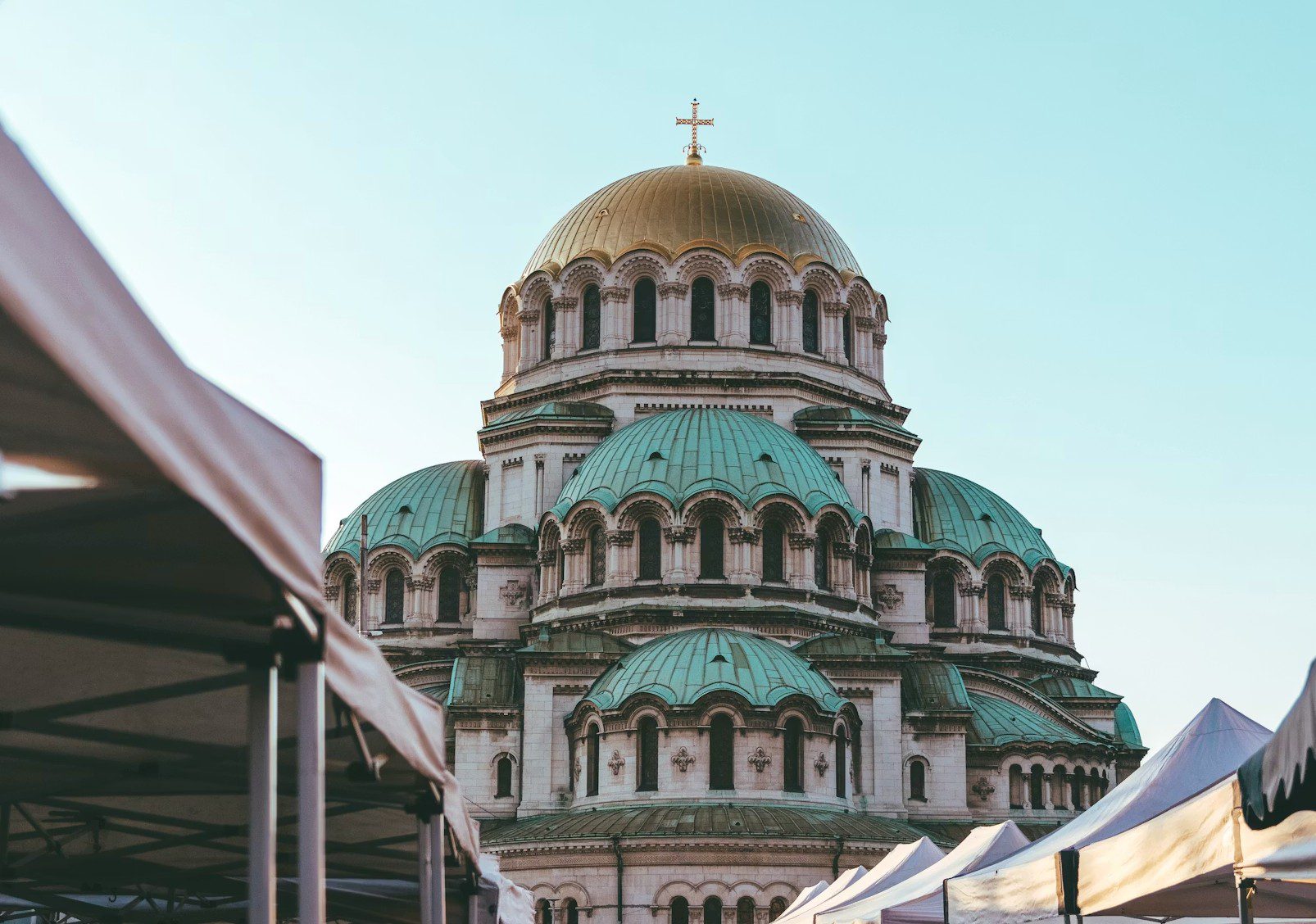
- Day 1: Arrive in Sofia, explore Alexander Nevsky Cathedral, the Ivan Vazov National Theatre, and the Serdica Roman complex
- Day 2: Day trip to Rila Monastery, about a 1.5-hour drive south
- Day 3: Take a morning bus or train to Plovdiv, explore the Roman Theater and Kapana creative district
- Day 4: Morning in Plovdiv’s old town, return to Sofia for departure
7 Days in Bulgaria — The Sweet Spot
Seven days is the recommended length because it gives you time for Sofia, Rila Monastery, Plovdiv, and Veliko Tarnovo without rushing. This is the most popular trip length for first-timers and covers the country’s cultural and natural highlights.
With a week, you can comfortably split your time: 2 days in Sofia, 1 day for Rila, 2 days in Plovdiv, and 2 days in Veliko Tarnovo. What makes 7 days better than fewer is the ability to add Tsarevets Fortress and the Sound and Light show in Veliko Tarnovo.
Skeleton itinerary for 7 days:
- Day 1: Arrive in Sofia, free walking tour covering Alexander Nevsky Cathedral and the Palace of Justice, evening in Lozenets neighborhood
- Day 2: Rila Monastery — leave by 08:00 to beat the tour buses, visit the museum, dress code applies
- Day 3: Morning Sofia, take the train to Plovdiv, explore the Roman Theater and Kapana district
- Day 4: Full day in Plovdiv — Old Town, Roman Stadium, and the Asenovgrad area
- Day 5: Drive or take the bus to Veliko Tarnovo, check in and visit Tsarevets Fortress
- Day 6: Explore Tsarevets Fortress, see the Sound and Light show in the evening if scheduled
- Day 7: Drive back to Sofia for departure
10+ Days — If You Want to Go Deeper
Ten to fourteen days lets you complete a proper circuit of the country. Longer stays unlock experiences like the Black Sea coast with Varna and Nessebar, the Buzludzha Monument, and the Belogradchik Rocks. These places reward extra time — the journey from Sofia to the coast takes about 6 to 8 hours, and the Buzludzha Monument requires a dedicated detour into the mountains.
Ten-plus days works well if you enjoy hiking, photography, or slow travel. The extended timeframe suits travelers who want to explore the UNESCO-listed Nessebar Old Town, hikers who want to tackle the Rila mountain trails, and those who want to combine city sightseeing with coastal relaxation.
If you have 10–12 days, you can add the Black Sea coast with Varna’s Archaeological Museum and Nessebar’s Byzantine churches, visit the abandoned Buzludzha Monument in the Balkan Mountains, and explore the Belogradchik rock formations.
What Affects How Long You Should Stay in Bulgaria
Bulgaria is small but its geography is demanding — the country spans five distinct regions, so travel times between them add up. The Sofia to Burgas journey takes about 6.5 hours, while Sofia to Varna takes around 7.5 hours.
The railway network covers most regions, but buses are often faster and more flexible. A rental car opens up remote sites like Buzludzha and the Belogradchik Rocks that public transport simply cannot reach.
Bulgaria is commonly combined with neighboring countries like Romania, Greece, and Turkey. If you’re adding another country to your itinerary, plan at least 3 to 4 extra days per country. The classic Bulgaria-Romania loop typically requires a minimum of two weeks.
Seasonality matters significantly. May, June, and September are the best months — warm weather and manageable crowds. July and August are hot inland and crowded on the coast, while winter is ideal for skiing in Bansko, Borovets, or Pamporovo.
Travel style determines your ideal length. City-focused travelers can manage with 4 to 5 days covering Sofia and Plovdiv, but hikers and nature travelers need 10 to 14 days to explore the mountains, the coast, and the countryside properly.
Mistakes People Make When Planning Time in Bulgaria
Underestimating travel times is the most common error. A day trip to Rila Monastery from Sofia takes about 3 hours of driving round-trip, and the Black Sea coast is a 6-to-8-hour journey from the capital. Packing too much into each day leads to spending more time in transit than at the actual sites.
Spending too few days in Plovdiv is another frequent misstep. The city is one of Europe’s oldest, with Roman ruins and a thriving modern scene, but many travelers give it only a day when it deserves two.
Relying solely on public transport for remote destinations like Buzludzha or the Seven Rila Lakes is a serious problem. These sites have limited bus connections with long intervals and challenging transfers — a rental car or guided tour is the better choice.
Visiting during peak summer without planning for accommodation is another common mistake. Sofia, Plovdiv, and the coastal towns see high demand in July and August, so book in advance, especially if you want to stay in the old town areas.
Frequently Asked Questions
Is 4 days enough for Bulgaria?
Four days covers Sofia, Rila Monastery, and Plovdiv. You’ll miss the coast, Veliko Tarnovo, and the mountains. It works if you’re passing through but isn’t enough for a proper visit.
How long do most tourists spend in Bulgaria?
Most visitors spend 7 to 10 days, with the majority opting for a week to split time between Sofia, Plovdiv, and one mountain destination.
Can I see Bulgaria in a weekend?
A weekend gives you one full day in Sofia and maybe a day trip to Rila Monastery. You’ll see the capital’s highlights but little else. Save it for a longer trip.
How many days do I need for Bulgaria and Greece together?
Plan 10 to 12 days minimum — 5 to 7 for Bulgaria and 5 for Greece including Thessaloniki and the Halkidiki peninsula. Add another 2 days if you want to visit Meteora.
Is 5 days enough for Bulgaria?
Five days covers Sofia, Rila Monastery, and Plovdiv, but you’ll miss Veliko Tarnovo and the coast entirely. It works for a focused trip but doesn’t cover Bulgaria’s full range.
However long you decide to stay, booking accommodation in advance is especially important during the peak summer season and in popular destinations like Plovdiv and the coast. The good news is that Bulgaria rewards whatever time you have — just be realistic about what fits.