

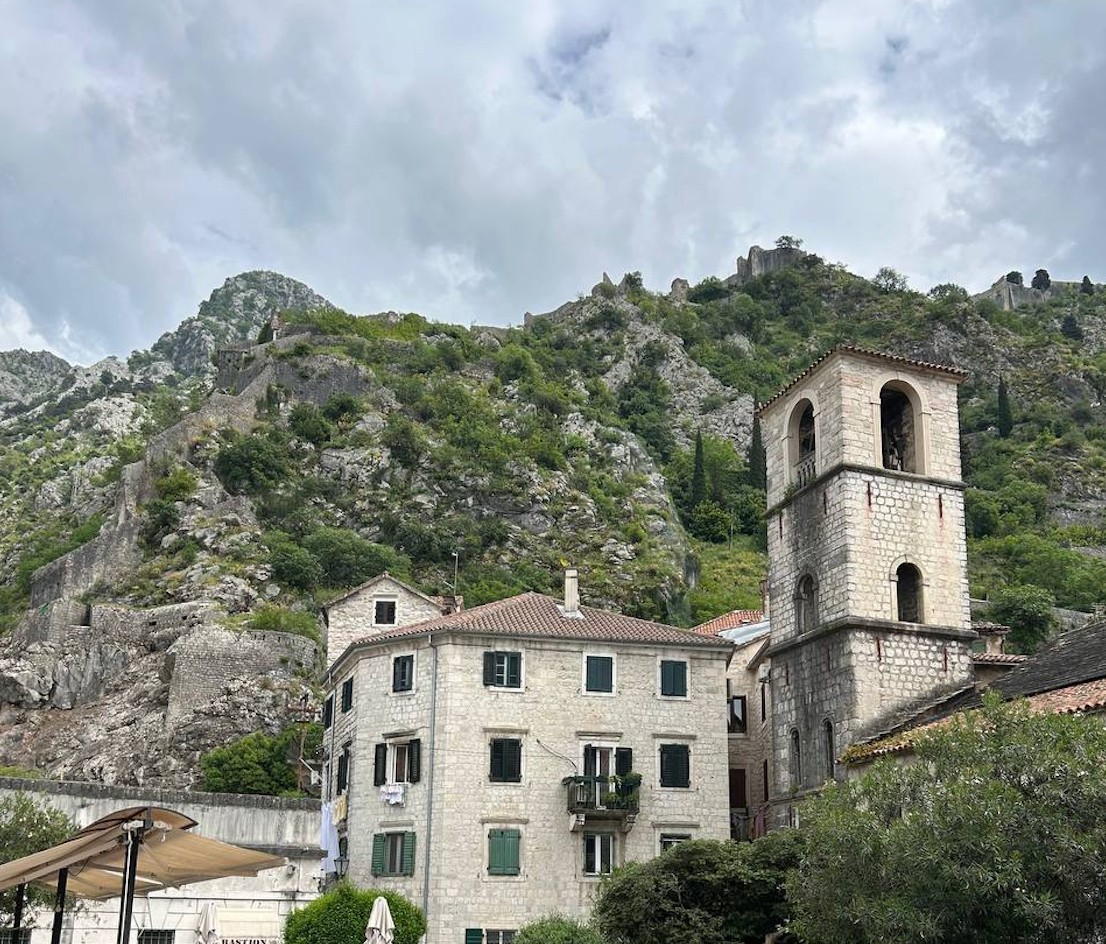
Kotor is better for history, scenery, and atmosphere; Budva is better for nightlife, beaches, and convenience. The choice depends entirely on what you want out of your Montenegro trip. If you have time, visit both — they are only 20 kilometres apart. But if you have to choose, here is exactly what each town offers, what it costs, and what you need to know before you decide.
The Quick Overview: Kotor and Budva at a Glance
Kotor sits at the end of a stunning fjord-like bay, surrounded by mountains that rise almost vertically from the water. The town is compact, walkable, and built around a well-preserved medieval old town that is a UNESCO World Heritage site. Budva, on the other hand, is on the open coast, with a longer stretch of beaches, a livelier nightlife scene, and a more modern infrastructure that caters heavily to summer tourists.
Kotor feels like a small, historic European town that happens to have a massive cruise ship dock. Budva feels like a purpose-built resort destination with a small old town attached to it. The difference in scale is significant: Kotor’s old town covers roughly 5 hectares, while Budva’s old town is about half that size, but the surrounding modern town is considerably larger and more spread out.
The distance between the two towns is 20 kilometres by road, with the drive taking about 25 minutes. Bus connections run regularly between them, and the trip costs around 3 to 5 euros each way. A taxi costs between 25 and 40 euros depending on the time of day and season.
Kotor: The Medieval Bay Town
Kotor is the most obvious choice for anyone interested in history, dramatic scenery, and a slower, more atmospheric travel experience. The old town is a labyrinth of narrow stone alleys, small squares, and churches that date back to the 12th century. It is enclosed by a city wall that stretches up the side of the mountain behind the town, culminating in the Fortress of St. John, which you can climb for the most famous view of the bay. The walk up is steep and takes 45 minutes to an hour, and it costs about 8 euros to enter.
Kotor’s bay is often compared to a Norwegian fjord, and the comparison holds. The water is deep, calm, and surrounded by limestone cliffs that catch the light in different ways throughout the day. The town attracts a mix of day-trippers from cruise ships, backpackers, and more upscale travellers staying in boutique hotels. The main problem with Kotor is the cruise ship crowds. Between May and September, the old town can be packed from 10 AM to 4 PM, and it becomes difficult to move through the main streets or sit down for a meal without a wait. It is best to stay overnight so you can enjoy the town in the evening and early morning.
Where to Stay in Kotor
Accommodation in Kotor is generally more expensive than in Budva, especially inside the old town walls. A hotel room in the old town will cost you between 80 and 200 euros per night in summer, depending on the level. Outside the walls, prices drop, and you can find decent guesthouses for 50 to 80 euros. There are also several hostels in the old town and along the waterfront, with dorm beds priced at 20 to 35 euros. The best option for most travellers is to stay just outside the old town walls, near the marina, where you have easy access to everything without paying the premium for a room inside the walls.
Things to Do in Kotor
The primary draw is the old town itself. You can spend a full day just walking the narrow streets, visiting the Cathedral of Saint Tryphon, and climbing the city walls. The Maritime Museum is worth an hour or two if you are interested in naval history. Beyond the town, there are boat trips to the nearby islands of Our Lady of the Rocks and Saint George, which cost around 15 euros per person. If you have more time, take a day trip to the village of Perast, about 12 kilometres north of Kotor. Perast has two small islands in the bay, beautiful baroque architecture, and far fewer tourists than Kotor.
Budva: The Coastal Resort
Budva is Montenegro’s most popular coastal destination, and it feels like it. The town has a small medieval old town, but the main attraction is the beach and the nightlife. Budva’s old town is perched on a small peninsula with walls that drop down to the sea on three sides. It is pleasant enough for an hour or two of walking, but it is not as impressive or well preserved as Kotor. The real draw is the Riviera — 25 kilometres of beaches that stretch south from the old town to the village of Petrovac.

Budva is significantly busier than Kotor in summer. The town becomes a party destination, especially for younger European tourists, and the nightlife is loud and concentrated around the old town and the waterfront. If you want to sleep early, this is not the place for you in July or August. The trade-off is that Budva has more things to do in the evening. There are dozens of bars and clubs, live music venues, and late-night restaurants that stay open well past midnight. Kotor is much quieter after 10 PM, with a small number of bars and very limited nightlife.
Where to Stay in Budva
Budva offers a wider range of accommodation than Kotor, with more budget options and a larger selection of beachfront hotels. Prices are generally lower than in Kotor. A hotel room near the beach costs between 50 and 150 euros per night in summer, and you can find plenty of private apartments for less than that. The main decision is whether to stay near the old town or further along the coast. Staying near the old town is more convenient and puts you close to the restaurants and nightlife. Staying further out — near Slovenska Beach or further south — gives you better beach access and slightly lower prices.
Things to Do in Budva
The main activity in Budva is the beach. The town has several beaches within walking distance: Mogren Beach is the most famous, set in a small cove just south of the old town and accessible via a walkway along the cliffs. It has sunbeds, umbrellas, and crystal-clear water, but it gets packed by 10 AM. Slovenska Beach is longer, more developed, and even busier. If you want a quieter beach, you need to rent a car and drive south to one of the smaller coves or take a taxi boat to one of the offshore islands. The old town itself is worth a short visit — it has a small fortress with good views and a handful of historic churches — but it is not the main reason people come to Budva.
Kotor vs Budva: Direct Comparison
The most important difference is what you want from the trip. Kotor delivers on atmosphere and scenery; Budva delivers on convenience and activity. Kotor’s bay is genuinely one of the most beautiful places in Europe, and the old town is the best-preserved medieval settlement on the Adriatic coast. Budva’s beaches are better than anything in Kotor, and the nightlife is far more developed. You need to decide whether you want to spend your days exploring historic streets and looking at mountains, or lying on the beach and going out at night.
For a four-day trip, the best option is to split your time. Three days in Kotor and one in Budva gives you the experience of the bay and a taste of the coast. If you have only two nights, choose Kotor if you care about history and scenery, and choose Budva if you care about beaches and parties. The reality is that most tourists who choose Kotor end up spending at least one afternoon at the beach in Budva anyway, so it is worth including both if you can.
Practical considerations also matter. Kotor is more expensive for accommodation and dining, and it is less convenient if you are arriving by air, as it takes an additional hour from the airport. Budva is 20 kilometres closer to Tivat Airport and has more direct transport connections. Kotor also has a significant issue with cruise ships — on a busy day, up to 2,000 passengers descend on the old town, making it difficult to move around or enjoy the atmosphere. Budva has a more consistent tourist flow without these extreme peaks.
Practical Logistics
Getting between the two towns is straightforward. The bus from Kotor to Budva runs every 30 to 60 minutes, costs 3 to 5 euros, and takes about 30 minutes. You can also take a taxi, which costs between 25 and 40 euros depending on the time of day and season. For most travellers, the bus is perfectly fine — they are clean, comfortable, and run regularly.
Both towns are connected to Tivat and Podgorica airports, but the journey is easier and cheaper from Tivat. From Tivat Airport to Kotor, a taxi costs 20 to 25 euros and takes 20 minutes. From Tivat Airport to Budva, a taxi costs 18 to 22 euros and takes 15 minutes. Bus connections cost 5 to 7 euros. If you are flying into Dubrovnik, the bus ride to Kotor takes about 2.5 hours and costs 15 to 20 euros. The crossing at the border can take an hour or more in summer, so factor that into your planning.
Budget Breakdown
Montenegro is one of the more affordable destinations in Europe, but costs vary significantly between the two towns. In Kotor, a meal at a mid-range restaurant costs between 15 and 30 euros per person, with a local beer priced at about 3 to 4 euros. Wine is 5 to 8 euros per glass. In Budva, you can eat for slightly less, with mains in the 12 to 25 euro range. Accommodation is where the difference becomes more apparent: a double room in Kotor’s old town in August costs 120 to 200 euros, while a similar room in Budva costs 70 to 150 euros.
Both towns are more expensive in July and August, with prices dropping by 30 to 50 percent in the shoulder seasons of May-June and September-October. If you want to save money and avoid crowds, September is the best time to visit: the weather is still warm enough for swimming, the crowds have thinned, and the prices are lower.
When to Visit
June and September are the best months for both towns. The weather is warm but not oppressive, the sea is swimmable, and the crowds are manageable. July and August are peak season — hot, crowded, and expensive. The water temperature reaches 25 degrees, but the number of tourists makes it difficult to enjoy the towns. If you visit in August, be prepared for queues at restaurants, packed beaches, and limited accommodation options. If you visit in May or October, you will find the weather pleasant but the water cooler — 18 to 20 degrees — which is fine for swimming if you are used to cooler water. April and November are generally too cool for beach activities, but the towns remain beautiful and uncrowded.
How to Choose Based on Your Travel Style
For couples looking for romance and scenery, Kotor is the clear winner. The bay views, the historic setting, and the quieter evenings create a more intimate atmosphere than Budva’s beach resort vibe. For friends travelling together or solo travellers who want to meet people and party, Budva is the better choice. The nightlife is far more developed, the beaches are better for socialising, and the town has more affordable accommodation options.
For families, Budva may be easier because it has better beach access, more childcare-friendly hotels, and a wider range of activities for children. Kotor’s cobblestone streets and steep walks are not pram-friendly, and there are fewer easily accessible beaches within walking distance of the town.
Frequently Asked Questions
Which is nicer, Kotor or Budva?
Kotor has the more impressive scenery, the better-preserved old town, and a more atmospheric setting. Budva has better beaches and more nightlife. Kotor is the choice for people who value history and views; Budva is the choice for people who value beach access and parties.
Is it worth visiting both Kotor and Budva?
Yes. They are only 20 kilometres apart, and you can easily visit both. Spend two or three nights in Kotor for the scenery and history, and one night in Budva for the beach and nightlife. The bus connection is quick and cheap.
How far apart are Kotor and Budva?
The distance is 20 kilometres by road. The drive takes about 25 minutes, and the bus takes about 30 minutes. A taxi costs 25 to 40 euros depending on the time of day and season.
Is Kotor or Budva more expensive?
Kotor is more expensive, especially for accommodation inside the old town. Budva offers a wider range of budget options and generally lower prices for hotels and restaurants.
What is the best time of year to visit Kotor and Budva?
June and September are ideal — warm weather, fewer crowds, and lower prices than July and August. The sea is swimmable, and the towns are busy but not overwhelmed. Avoid August if you dislike crowds.
Can you swim in Kotor?
Yes, but the beaches in Kotor are limited. The town has a small concrete platform near the marina and a few small pebble beaches along the waterfront, but these are not as good as the beaches in Budva. Most visitors to Kotor who want to swim take a day trip to Budva or one of the nearby coves.
Can you visit Kotor as a day trip from Budva?
Yes. Many visitors stay in Budva and take a day trip to Kotor. The drive is short and the bus is cheap. Kotor’s old town is small enough to explore in a few hours, so a day trip works if you are short on time.
Kotor and Budva are both worth visiting, and the best approach is to fit both into your itinerary if you have more than three nights. If you have to choose, pick Kotor for the scenery and history, and Budva for the beaches and nightlife. The distance between them is small enough that you can easily switch between the two and experience both sides of the Montenegrin coast.
I’ve been using Travelpayouts to monetize my travel content and wanted to share it with you. Just try it
 admin
admin