

The best time to visit Azerbaijan depends on what you want to do. For sightseeing and city walking: April through June or September through October. For winter sports: December through March. For fewer crowds and lower prices: November, February, or early December. Here is the full breakdown.
Azerbaijan is a compact country where the Caspian Sea coast meets the Greater Caucasus Mountains, which means weather and activities vary dramatically depending on where you go. Baku sits below sea level and gets hot and humid in summer, while mountain regions like Shahdag and Gabala stay cool and green. What works for the capital will not work for the highlands.
Azerbaijan by Month — Quick Overview
Average temperatures below are for Baku; mountainous regions like Shahdag and Sheki are significantly cooler. Crowds and prices are relative to the yearly peak.
- January: 7°C high, 1°C low. Low crowds. Low prices. Skiing in Shahdag; quiet city museums.
- February: 6°C high, 1°C low. Low crowds. Low prices. Ski season continues; cheapest flights.
- March: 10°C high, 3°C low. Low-Medium crowds. Medium prices. Novruz Bayrami festival; rising prices.
- April: 17°C high, 8°C low. Medium crowds. Medium prices. Wildflowers bloom; ideal for hiking.
- May: 22°C high, 13°C low. High-Medium crowds. High-Medium prices. Perfect weather; book ahead.
- June: 27°C high, 18°C low. High crowds. High prices. Warm, flexible; good for mountain escapes.
- July: 30°C high, 22°C low. Peak crowds. Peak prices. Hottest month; head to the mountains.
- August: 30°C high, 21°C low. Peak crowds. Peak prices. Hot in Baku; cool in Gabala and Sheki.
- September: 26°C high, 18°C low. High-Medium crowds. High-Medium prices. Harvest festivals; wine tasting.
- October: 19°C high, 12°C low. Medium crowds. Medium prices. Fall colors peak; ideal travel window.
- November: 14°C high, 8°C low. Low crowds. Low prices. Cooler, damp; calm and cheap.
- December: 9°C high, 3°C low. Low-Medium crowds. Low-Medium prices. Christmas markets; skiing starts.
Peak Season (July–August): Crowds, Heat, and High Prices
Summer is the warmest and most reliable weather window for the Caspian coast. Daytime highs in Baku hover around 30°C, and humidity from the sea makes afternoons feel heavy. The Caspian warms to a swimmable temperature, and beach clubs north of the city at Bilgah and Nardaran are in full swing.
This is when the city fills with Gulf and regional tourists escaping even hotter home climates. Baku’s seaside promenade gets busy, and the Old City sees heavy foot traffic. Mountain regions like Gabala and Sheki are also lively, but their cooler air provides relief from the capital’s heat.
Prices spike. Accommodation in Baku can cost double what you would pay in spring or autumn, though interestingly, hotels in the capital sometimes drop slightly as business travel slows. Resort and mountain areas, by contrast, go up.
Who is this season for? Families with school-age children, beach lovers who want guaranteed warm Caspian water, and travelers who do not mind adjusting their day to avoid midday heat. Locals stay indoors from noon to late afternoon and come out at night — visitors should do the same.
Honest downsides: walking around Baku in July and August can be draining. The city is known as the “City of Winds,” but the breeze does not always cut the humidity. Sightseeing midday is uncomfortable, so plan indoor museums for the afternoon and save walking for mornings and evenings. The Formula 1 Grand Prix is in September, not summer, so July and August avoid that price spike.
Shoulder Season (April–June and September–October): The Sweet Spot
April, May, and June
April brings mild spring weather with daytime highs around 17°C, rising to 22°C in May and 27°C in June. The snowmelt means rivers are high and mountain landscapes turn lush and green. Wildflowers dot the trails in the Greater Caucasus foothills and around Sheki. This is an ideal month for lower-altitude hiking before the summer heat arrives.
Crowds are moderate, with weekends busier than weekdays. Prices are noticeably lower than July and August, and you can still find good deals on accommodation a few weeks out. The coast is warm enough for swimming only from late June onward; the Caspian takes longer to warm up than the sea.
Limitations: some mountain huts and high passes may not be fully snow-free until June. The Novruz Bayrami festival in late March brings domestic travel spikes and some closures, but by April, everything settles down. This is a great window for photographers, hikers, and travelers who want comfortable weather without peak-season prices.
September and October
September delivers arguably the single best balance of weather and crowds all year. Temperatures stay warm at 24–28°C, and the summer haze lifts, offering crystal-clear views. The Caspian remains warm from summer, often swimmable well into September. Harvest festivals start across the country, and vineyards around Shamakhi and Sheki pour cheap, good glasses of local wine.
October cools to around 19°C, but that is ideal for hiking and photography, and the fall colors around the foothills and the northern route are spectacular. The crowds have thinned significantly, and you can explore Gobustan National Park or the Old City without the summer crush. Buses are calmer, and hostel beds are easier to grab.
What starts closing: some mountain huts close for the season in late October, and early cold snaps above 2,500 meters are possible. If you want to hike high, aim for the first half of October. For wine lovers and photographers, October offers sophisticated travel conditions.
Off Season (November–March): Quiet, Cheap, and Underrated
Winter is cool and often damp. In Baku, daytime highs hover around 6–9°C, and the wind makes it feel colder. Snow is rare in the capital and rarely settles, but the mountains get serious snow. If you dress properly, this is the cheapest and quietest time to visit. The Old City’s caravanserais, museums, and tea houses are atmospheric in the cold.
From December to March, ski resorts like Shahdag offer slopes at a fraction of the cost of European resorts. Shahdag is Azerbaijan’s premier mountain destination, with well-groomed slopes, modern lifts, and snow activities from December through March. For non-skiers, the mountainous areas around Quba and Gabala offer quiet villages, woodsmoke, and empty fortresses.
Who should consider this season? Budget travelers, photographers who want empty landscapes, and anyone who genuinely hates crowds. Accommodation prices drop 50% or more compared to summer. Flights are at their lowest, especially outside the New Year holiday week. February, in particular, offers some of the best value of the year.
One honest limitation: high routes close due to snow, and marshrutkas thin out, so you will need to plan carefully if you are not driving. November is cool and damp, with increased rainfall. The worst of the Arctic winds from Russia are kept at bay by the northern mountain ranges, but Baku’s wind still demands a serious jacket. Also, the heating season in Azerbaijan runs from November 15 to April 15, so mountain areas are cold but well-heated indoors.
Best Time to Visit Azerbaijan Based on What You Want
For Sightseeing and City Walking
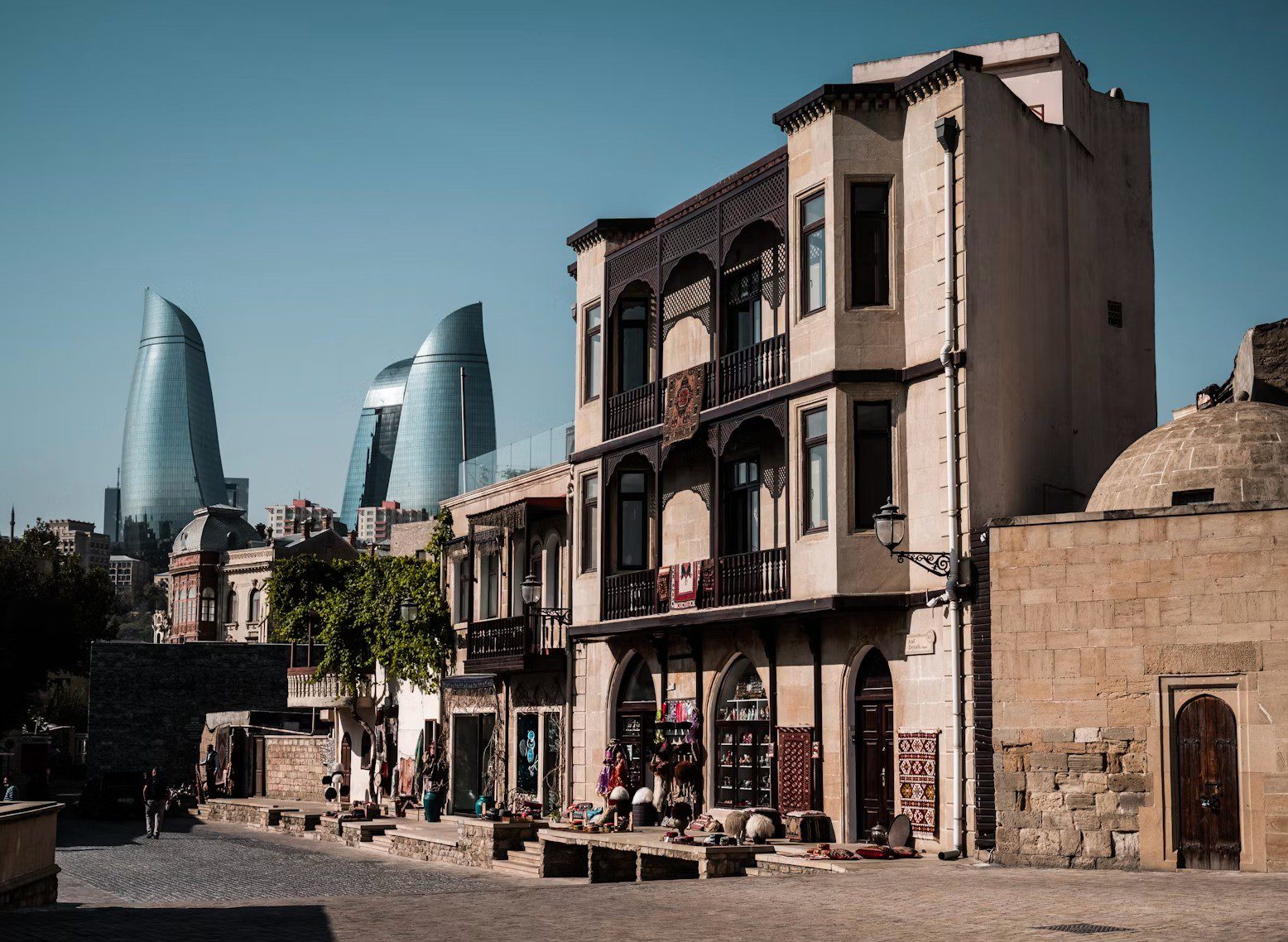
Best months: April, May, September, October. These months offer comfortable daytime temperatures between 17°C and 28°C, making it ideal for wandering the UNESCO-listed Old City in Baku, strolling the seaside Boulevard, and taking day trips to Gobustan’s ancient rock carvings and mud volcanoes. Summer heat makes midday sightseeing draining, so avoid July and August if you want to be outdoors.
For Hiking and Mountain Adventures
Best months: May, June, September, October. The trails in the Greater Caucasus, including routes near Khinalug, Shahdag, and Sheki, are accessible and at their most beautiful. May offers wildflowers in the foothills, while September offers clear views and comfortable temperatures. Swollen spring streams can erase footbridges in May, so check local conditions.
For Skiing and Winter Sports
Best months: December, January, February, March. Shahdag Mountain Resort offers downhill skiing, snowboarding, and snowshoeing from December through March. Temperatures in the mountains can drop as low as -20°C, so pack seriously warm layers. The resort is about a 3.5- to 4-hour drive from Baku.
For Budget Travelers
Best months: November, February, and early December (excluding the New Year holiday week). Accommodation and flights are significantly cheaper, and you can often find hotel rooms for half the summer price. February is the cheapest month overall for flights and hotel rates.
For Avoiding Crowds
Best months: November, February, and late January. These months offer low-season crowd levels, with the Old City and museums quiet and restaurant tables easy to get. The trade-off is cool, windy weather in Baku and snowy high routes, but if you value peace over perfect weather, this is your window.
A Few Things to Know Before You Book
Booking lead time matters. For April, May, September, and October, book accommodation four to six weeks in advance. For the Formula 1 Azerbaijan Grand Prix weekend in September, book months in advance and expect hotel prices to triple. For winter ski season, book equipment and passes in advance during the peak holiday weeks. In off season, you can often book on arrival.
What to pre-book: accommodation in Baku during shoulder seasons and the Grand Prix weekend. Ski passes and equipment at Shahdag during winter peak weeks. For high-mountain hiking, arrange local guides and transport ahead of time, especially for more remote areas like Khinalug.
Visa timing: most travelers require an electronic visa, which can be obtained online. This does not affect seasonal timing, but apply at least a few weeks ahead.
A practical note specific to Azerbaijan: the country has multiple climate zones, so check both Baku and mountain weather before you pack. In winter, Baku’s wind makes it feel colder than the temperature suggests. In summer, the mountains are a reliable escape from the capital’s heat.
Frequently Asked Questions
What is the best month to visit Azerbaijan overall?
September or May. September offers warm days, clear skies, comfortable temperatures around 24–28°C, and the Caspian Sea is still warm for swimming. May gives you blooming landscapes, wildflowers, and comfortable weather without peak-season crowds.
Is Azerbaijan good to visit in October?
Yes. October remains an excellent month, with mild temperatures and crisp, clear days. Autumn colors enhance natural landscapes, making it ideal for hiking, photography, and wine tasting. Tourist numbers decline from the summer peak, resulting in better availability and more reasonable prices.
What is the rainy season in Azerbaijan?
September through March are typically the wettest months, with October and November usually seeing the highest precipitation. However, Azerbaijan is quite a dry country overall, and cities in the foothills like Lankaran see more rain than the central plains and coast.
Is Azerbaijan worth visiting in winter?
Yes, but with the right expectations. Winter is the cheapest and quietest time for cultural sightseeing in Baku, and December brings atmospheric Christmas markets. December through March is the prime season for skiing at Shahdag. If you don’t ski, avoid January and early March — the weather is cold and grey in the capital.
What is the hottest month in Azerbaijan?
July is the hottest month, with average daytime temperatures around 30°C in Baku, and the Caspian coast can hit 35°C. August is nearly as warm. For relief, head to the Greater Caucasus Mountains, where it is much cooler.
The bottom line: pick September for the best all-round experience. If you want spring, go in May for wildflowers. If you need summer, head to the mountains in July and August rather than Baku. If you want snow, December through March is your ski window. Each season works for someone.