

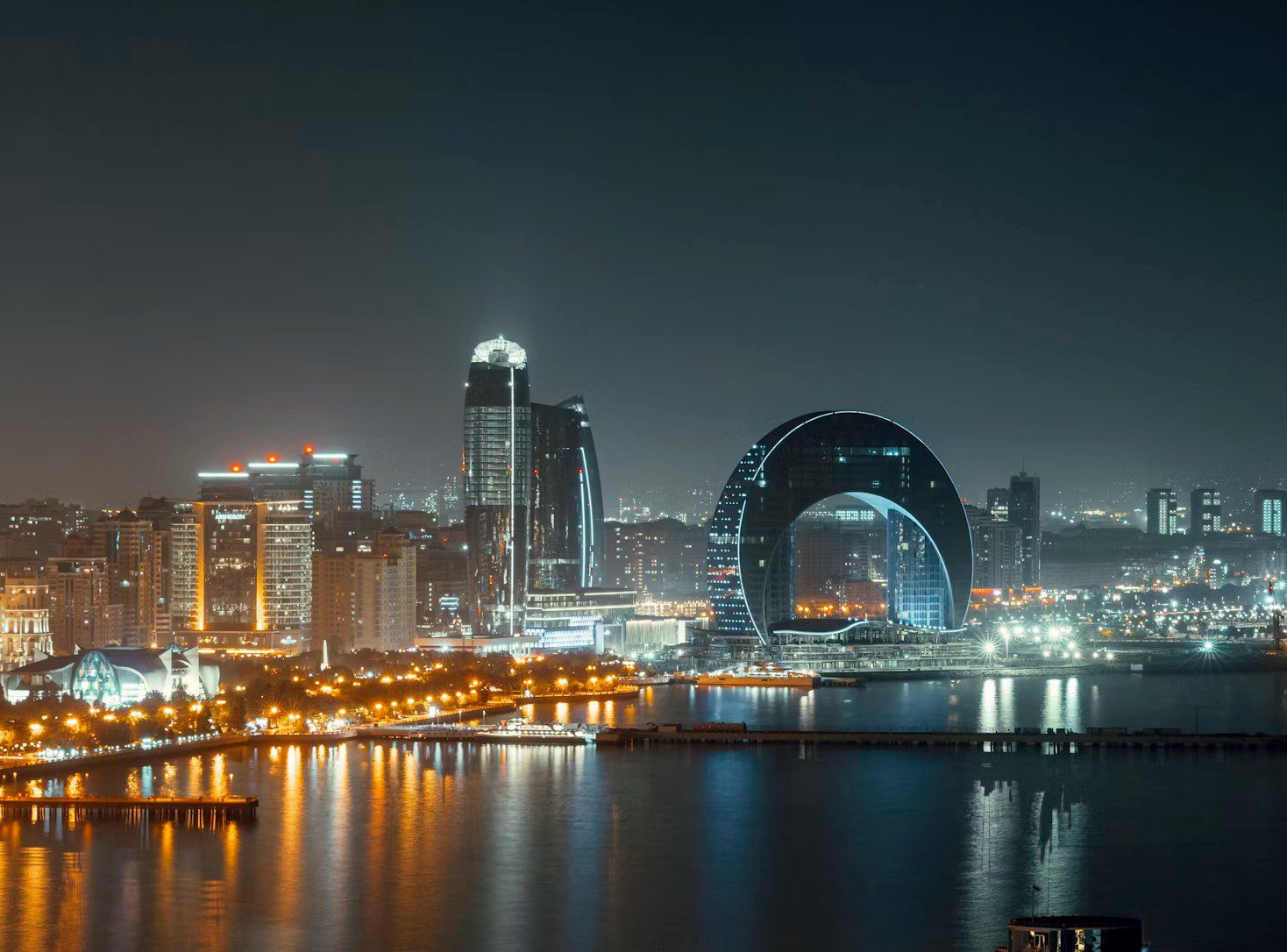
Yes, Azerbaijan is generally safe for solo travelers — including women. The capital Baku is considered a low-threat location for crime, and violent incidents against tourists are infrequent. But like anywhere, a few things are worth knowing before you go.
What makes Azerbaijan’s safety profile unique is that it’s a country of contrasts. Baku is a modern, well-policed capital with clean streets and good infrastructure, while rural areas remain traditional and conservative. The country is also located in a region with ongoing geopolitical tensions, which affects travel advisories. The key is knowing where you’re going and preparing accordingly — and that’s exactly what this guide covers.
Azerbaijan Safety at a Glance
- Overall crime rate: Low for violent crime. Petty theft and scams are the main concerns.
- Petty theft: Not common but can affect foreigners in crowded areas or isolated spots.
- Solo female travel: Generally safe, though some women report unwanted attention.
- Scams targeting tourists: Taxi overcharging and credit card fraud are the most common issues.
- Natural hazards: Earthquake risk — the region is in an active seismic zone. Mountain weather can shift quickly.
- Transport safety: Roads outside cities can be poor, particularly at night. Driving requires caution.
- Night safety: Safe in Baku’s center, but avoid isolated areas and exercise caution.
Is Azerbaijan Safe? The Honest Answer
The short answer is yes — for most travelers, Azerbaijan is a safe destination. The U.S. Department of State assesses Baku as a low-threat location for crime directed at or affecting official U.S. government interests, and criminal acts against foreigners are infrequent in the capital. Most reported crimes involve Azerbaijani citizens as victims, with burglary and assault being the most common.
That said, official travel advisories recommend exercising increased caution in Azerbaijan due to terrorism concerns and areas of armed conflict. The U.S. State Department has assessed Baku as a high-threat location for terrorism, and terrorist groups may attack with little warning. Targets could include hotels, restaurants, tourist sites, and public transportation.
Petty theft, while not common, sometimes affects foreigners in crowded areas or isolated spots. Expatriates are at greater risk in areas that attract large crowds or are very isolated. Financial scams, particularly credit card fraud, are increasingly common. Azerbaijan is traditionally a cash society, but the introduction of credit cards has given rise to fraud related to their use.
Locals are generally friendly and welcoming toward tourists. However, corruption is a problem in Azerbaijan, and officials are rarely held accountable for corrupt practices. The political situation is broadly stable, but demonstrations are rare and may be suppressed with force when they occur.
A note on the border regions: the Azerbaijani government reclaimed the territory of Nagorno-Karabakh in fall 2023, and the area is still heavily militarized. Movement in the region is restricted, and landmines pose a significant danger. The U.S. government is unable to provide emergency services to citizens in and around Nagorno-Karabakh because access is restricted.
Is Azerbaijan Safe for Solo Female Travelers?
This is the question many women ask first, and the honest answer is: generally yes, with some caveats. The solo female travel community rates Azerbaijan 4.2 out of 5 for safety, with most women reporting positive experiences.
Street harassment: This is the most inconsistent aspect of solo female travel in Azerbaijan. Some women describe Baku as very safe and report feeling secure throughout their journey. Others report unwanted male attention while walking alone and taking taxis. One female traveler described an experience where she felt “very safe” and noted that people were kind wherever she went. Another traveler from India, however, reported a very negative experience with men staring and making her feel uncomfortable. A Chinese traveler reported encountering unwanted physical attention from men roughly every two days.
What’s the reality? It seems to depend on where you go, how you dress, and who you encounter. Baku is generally safe, but traditional attitudes toward women in public spaces persist. Sexual assault may be underreported due to cultural stigma.
Nightlife safety: Baku’s city center is considered safe at night, with good police presence. Some women report feeling comfortable walking alone, while others advise caution. Use taxi apps rather than hailing cabs on the street for late-night returns.
Dress code: Baku is liberal and cosmopolitan — Western attire is common. However, in rural areas and smaller towns, modest dress is recommended. When visiting mosques or religious sites, cover shoulders and knees.
Accommodation safety: Hostels and guesthouses in Baku are generally solo-female-friendly. Many solo women travelers report positive experiences with accommodation and meeting other travelers.
One practical tip most guides miss: download the Bolt app for taxis. It works like Uber and lets you order and pay through the app, eliminating the need to negotiate prices or worry about being overcharged. This is especially valuable for women traveling alone who want to avoid uncomfortable taxi situations.
Scams and Tourist Traps to Know About
Scams in Azerbaijan are usually about overcharging, not violence. Here are the most common ones and how to avoid them:
- Taxi overcharging: Taxi drivers often don’t use meters or may take longer routes. Always agree on the price before getting in, or use the Bolt app to avoid this issue entirely. Ensure the taximeter is on at the beginning of your journey.
- Credit card fraud: Crime related to credit card use tends to involve end-point user fraud. Notify your bank and credit card company with the dates and locations of travel, and monitor accounts closely after returning. Avoid using debit cards tied directly to checking or savings accounts.
- SIM card overcharging: Some travelers report paying more than necessary for SIM cards at convenience stores. Buy from official telecom shops — Azercell, Bakcell, or Nar — not random kiosks.
- Short-changing in markets: In busy bazaars, some vendors may give incorrect change. Double-check your change and confirm prices before paying.
Each of these scams is avoidable with basic vigilance — the takeaway is to confirm prices upfront, use official services, and keep your cards secure.
Safest (and Sketchiest) Areas in Azerbaijan
Baku: The capital is considered safe, with a significant police presence. The city center, including the Old City (Icherisheher), Baku Boulevard, and the area around the Flame Towers, is generally safe day and night. Avoid dark and unlit streets and stairways. Expatriates are at greater risk of petty crime in areas that attract large crowds or are very isolated.
Sheki: A charming Silk Road town that’s generally safe for solo travelers. The Khan’s Palace and surrounding area are well-maintained and tourist-friendly. English is less common here than in Baku.
Quba and Khinalig: Mountain villages offering stunning scenery. English is limited, and the climate is colder than in Baku. Phone signal can be patchy, so download offline maps before you go.
Gobustan National Park: Famous for its mud volcanoes and ancient rock art. The area is safe, but it’s remote — travel with a group or hire a tour guide for the day. Keep your belongings secure.
Border regions: Do not travel to areas within 5 km of the border with Armenia due to landmines and ongoing tension. The regions of Aghdam, Aghdara, Fuzuli, Gubadli, Jabrayil, Kalbajar, Khankendi, Khojaly, Khojavend, Lachın, Shusha, and Zangilan are also off-limits due to landmine contamination.
Rural vs urban: Crime is lower in rural areas, but English is scarce. Travel between cities by day — roads can be poorly lit and of questionable quality at night. For remote hiking, solo travelers should stick to well-marked trails, carry ample water, and check weather conditions before heading out. Azerbaijan spans nine of the world’s eleven climate zones, so conditions can vary dramatically.
Solo Travel Safety Tips for Azerbaijan
- Get a local SIM at an official shop, not a convenience store. Azercell, Bakcell, and Nar offer tourist SIMs with data packages. Coverage outside Baku can be patchy, so download offline maps. eSIM options are also available for connectivity before arrival.
- Emergency numbers: 102 for police. Request an English-speaking operator — this service should be available 24 hours a day.
- Use the Bolt app for taxis in Baku. It allows you to order and pay through the app, eliminating negotiation and overcharging concerns.
- Carry cash in small denominations, especially when traveling outside cities. ATMs are widely available in Baku, but smaller towns and rural areas are cash-only. The currency is the Azerbaijani manat (AZN). Avoid paying in foreign currency.
- Credit cards are accepted in larger hotels and restaurants in Baku, but check your statements after returning for signs of fraud. Avoid using ATMs after dark, especially if alone.
- If renting a car, be aware that roads can be poor quality outside cities, particularly at night. Bring your international driving license and ensure you have adequate insurance.
- Book accommodations in advance, especially if visiting during peak seasons like spring and fall.
- Download a VPN before arriving in Azerbaijan. Azerbaijani networks often block downloading VPN software or accessing VPN websites.
- Don’t photograph military or police personnel, sites, or equipment — it’s illegal.
- Carry your passport at all times as police often carry out identity checks. Keep a photocopy of the details page separately in a safe place.
- Pack layers regardless of season. Baku can reach +35°C in summer, while mountain areas remain cool even in July. Bring comfortable walking shoes and a headscarf for visiting mosques.
- Be cautious about discussing politics. The Nagorno-Karabakh conflict and relations with Armenia are sensitive topics. Avoid loud discussions in public, especially political ones. Even small, peaceful demonstrations are routinely broken up by police.
What Solo Travelers Say About Azerbaijan
Reading through travel forums and reviews, a mixed but mostly positive picture emerges. Solo travelers consistently say Baku feels safe and welcoming, with many describing the city as clean, well-lit, and well-policed. One traveler noted that people were “kind to me wherever I went,” and another described Baku’s night views as “amazing.”
What catches people off guard is the language barrier — English is not widely spoken outside Baku’s upscale hotels and tourist spots. Travelers often report that locals are eager to help despite the language gap, with one recounting how a kind uncle went out of his way to find staff to translate and personally walked them to the correct bus stop.
Another recurring theme is the country’s climate variability. Travelers who stay only in Baku are often unprepared for the dramatically different weather in mountain villages, where snow can fall even in spring.
A recurring concern in forums is the unwanted attention some women receive. Experiences vary widely — some women feel completely safe, while others report persistent staring or harassment. This inconsistency comes up regularly enough to warrant attention, and many women advise dressing modestly, especially outside Baku.
Overall, the sentiment is that Azerbaijan is a rewarding, affordable destination for solo travelers who do a bit of homework before arriving. Those who venture beyond Baku are often rewarded with genuine hospitality and unforgettable experiences.
Frequently Asked Questions
Is Azerbaijan safe for solo female travelers?
Generally yes, with some caveats. Baku is considered safe, and many women report positive experiences. However, some women report unwanted attention. Dress modestly outside cities, use taxi apps rather than hailing cabs, and avoid walking alone in isolated areas at night. The overall safety rating from solo female travelers is 4.2 out of 5.
Is Azerbaijan safe at night?
Baku’s city center is safe at night with good lighting and police presence. Avoid isolated areas, dark streets, and using ATMs after dark. Use taxi apps for late-night returns rather than walking alone. In smaller towns and rural areas, exercise extra caution at night.
What are the biggest safety risks in Azerbaijan?
The biggest risks are petty theft in crowded areas, taxi overcharging, credit card fraud, and mountain accidents. The terrorism risk is assessed as high, though no recent incidents targeting tourists have occurred. Do not travel near the border with Armenia due to landmines and armed conflict.
Is it safe to drive in Azerbaijan?
Driving in Baku can be stressful due to aggressive drivers and poor road conditions. Outside cities, roads are often poorly lit and of questionable quality. If renting a car, bring an international driving license and adequate insurance. Avoid driving mountain passes at night. Keep vehicle doors locked and bags out of sight.
Is Azerbaijan safe for LGBTQ+ travelers?
Discrimination and risks remain a concern for LGBTQ+ visitors to Azerbaijan. The UK government’s official travel advice highlights this concern. Same-sex relationships are legal, but societal attitudes are conservative, particularly outside Baku. Avoid public displays of affection.
Bottom Line
Azerbaijan is a safe and rewarding destination for solo travelers who do their research before arriving. Petty crime and scams exist but are manageable with basic awareness. The real concerns are geopolitical — avoid border regions, stay informed about the security situation, and follow local laws.
This is a country that rewards independent travelers, especially those willing to venture beyond Baku and embrace the contrasts — from modern Caspian coastline to ancient Silk Road villages. Most first-timers come away surprised by the genuine hospitality, the affordability, and how safe they felt. Who will feel comfortable here? Nearly everyone who’s traveled independently before. Who might want extra precautions? Solo women traveling alone at night, anyone planning to drive outside cities, and those who want to explore remote mountain areas.
If you’re still planning your trip, check visa requirements for your passport, read up on Baku highlights, and book accommodation in advance if visiting in spring or fall. The more you prepare, the smoother your trip will go.