

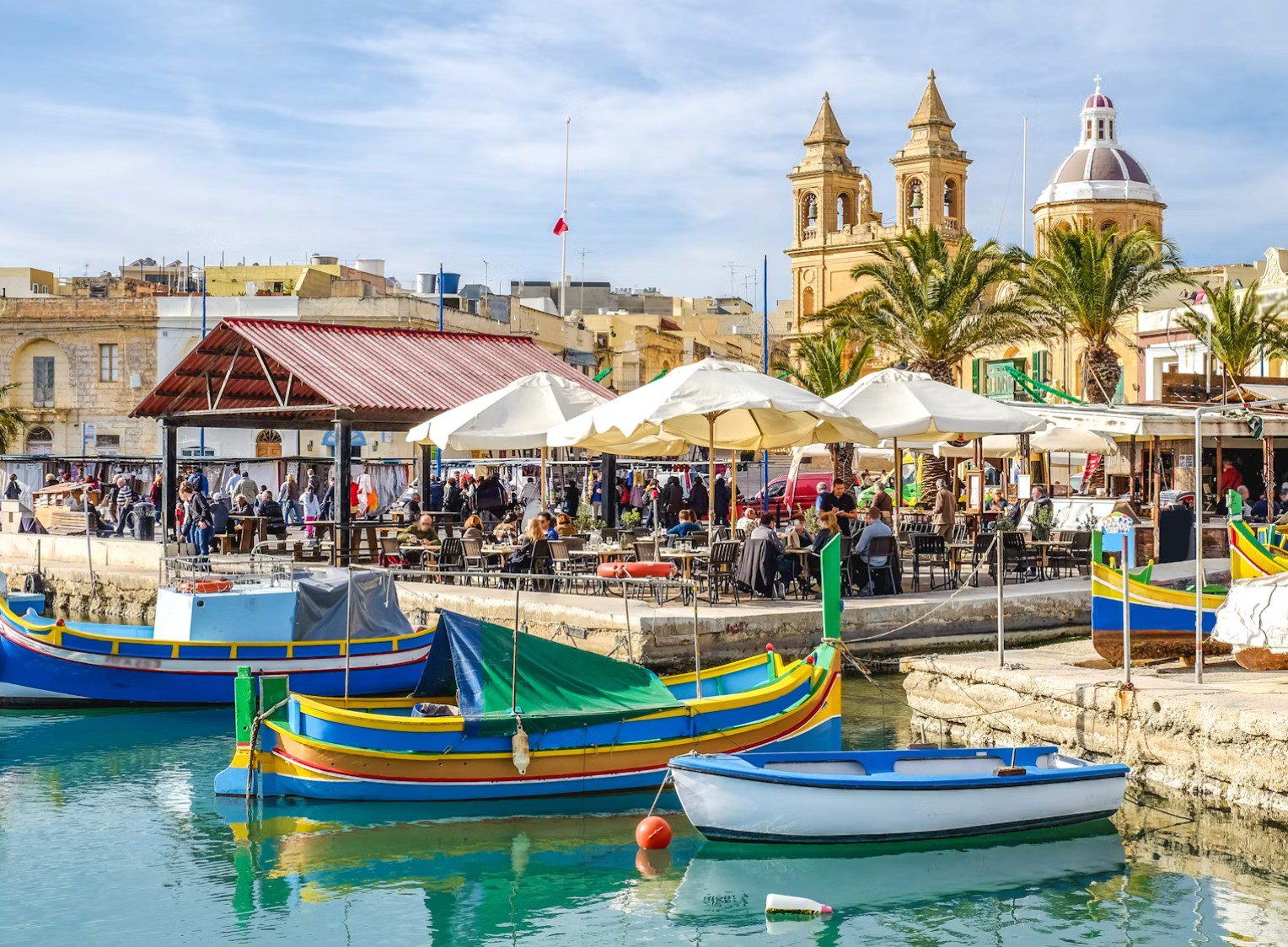
Yes, Malta is generally a safe destination for solo travelers, including women traveling independently. The U.S. Department of State currently places Malta at Level 1 and advises visitors to exercise normal precautions, while the Government of Canada likewise recommends normal security precautions. Malta’s latest national crime review also recorded a decline in reported crime during 2025, reinforcing the broader picture of a destination where serious personal-security problems are unusual for ordinary tourists.
That does not mean there is nothing to think about. Pickpocketing occurs in tourist areas and on crowded buses, St. Julian’s and particularly Paceville require more awareness at night because of alcohol-related incidents, drink spiking and occasional assaults, while Malta’s roads can be more challenging than the country’s small size suggests. Another risk that deserves much more attention than it receives in many Malta safety guides is the sea: strong currents, rough conditions and hidden rocks cause serious accidents, and the latest U.S. travel advisory specifically highlights tourist drowning deaths associated with riptides.
For most solo travelers, however, the practical conclusion is reassuring. Valletta, Mdina, Sliema, Gozo and the country’s other major sightseeing areas can be explored independently without unusual security arrangements, provided you use normal precautions with valuables, become more careful around nightlife and treat swimming and driving as genuine safety considerations rather than simply parts of a Mediterranean holiday.
Malta Safety at a Glance
- Overall safety: High. Both the United States and Canada currently recommend normal precautions for Malta.
- Violent crime: Rare, although assaults, including sexual assault, do occur.
- Petty theft: The most relevant crime risk for tourists, particularly on crowded public transport and in busy tourist and nightlife areas.
- Solo female travel: Generally straightforward, with additional caution sensible around nightlife and late-night transport.
- Paceville: Requires more awareness than most other tourist areas because of heavy drinking, crowded nightlife, drink spiking, overcharging and occasional confrontations.
- Valletta: Generally safe and easy to explore independently, although normal precautions with valuables still apply.
- Gozo: Generally quiet and manageable for solo travel, with road, coastal and outdoor risks usually more relevant than street crime.
- Swimming: Strong currents, rough water and hidden rocks can create serious risks at beaches and rocky swimming areas.
- Driving: Traffic moves on the left, roads can be narrow and congested, and driving standards may feel less predictable than some visitors expect.
- Public transport: Generally safe and useful, although buses can become extremely crowded during summer and pickpocketing has been reported on popular tourist routes.
- Emergency number: 112 for police, ambulance and fire emergencies.
Is Malta Safe? The Short Answer
Malta has a favorable safety profile for international visitors. The current U.S. travel advisory describes it as generally safe and maintains the country’s lowest advisory level, while Canadian authorities also recommend only normal security precautions.
The latest national figures are similarly reassuring when viewed in context. Malta’s Annual Crime Review recorded 15,594 reported crimes in 2025, down from 16,662 in 2024. With a population of roughly 574,000, the report calculated approximately 27 reported crimes per 1,000 residents, compared with 30 per 1,000 one year earlier.
Those national statistics should not be interpreted as a direct probability of something happening to a tourist, since they include many categories of crime that have little connection with travel. What matters more for a visitor is the pattern identified by official travel advisories: violent crime is rare, whereas opportunistic theft, nightlife incidents and fraud are more plausible problems.
Malta’s compact geography and large tourism industry also make independent travel relatively easy. English is an official language, public transportation covers most major destinations and the islands receive enough international visitors that hotels, restaurants and attractions are accustomed to travelers navigating the country on their own.
Is Malta Safe for Solo Travelers?
Yes. Malta is well suited to solo travel because the most popular destinations are relatively close together and can usually be reached without private transportation. A visitor can base themselves around Valletta, Sliema or St. Julian’s and use buses and ferries for much of the main island, while Gozo is accessible by ferry and has its own bus network.
For an ordinary sightseeing itinerary, the most important precaution is keeping control of your belongings in crowded environments. Canadian travel advice specifically identifies markets, public transport, hotel lobbies, beaches, restaurants, outdoor cafés, tourist attractions and nightlife areas as places where petty theft can occur.
This does not justify treating Malta as a pickpocketing hotspot on the scale of some heavily visited European cities, but it does mean that leaving a phone on a café table, carrying an open bag on a packed summer bus or leaving valuables unattended at the beach creates unnecessary opportunities.
Solo travelers should also distinguish between daytime sightseeing and nightlife. Exploring Valletta or Mdina alone is a very different risk environment from spending several hours drinking in Paceville and returning to accommodation late at night, and most of Malta’s destination-specific safety warnings relate to the latter rather than ordinary city travel.
Is Malta Safe for Solo Female Travelers?
Malta is generally a comfortable destination for women traveling alone, and there is no official guidance suggesting that women need to avoid its mainstream cities, beaches or tourist regions. The country is compact, English is widely spoken and major tourist areas have enough activity that arranging transport, accommodation and everyday travel independently is straightforward.
It is better not to prove that conclusion using selected travel-blog testimonials or percentages of female tour bookings, since neither measures the actual safety of a destination. A more realistic assessment combines Malta’s low general advisory level with the specific risks that official sources identify, particularly drink spiking and sexual assault in nightlife settings.
Women going out alone should pay particular attention in Paceville. Buy your own drinks, keep them within sight, avoid accepting open drinks from people you have just met and leave if a venue or interaction starts to feel uncomfortable. Using Bolt, Uber or a licensed taxi for a late return can also make more sense than walking a long unfamiliar route simply because Malta is generally considered safe.
There is no special dress code for ordinary travel. Malta is a modern European country and normal Western clothing is standard, although individual churches and religious sites may expect visitors to dress respectfully.
Is Valletta Safe for Solo Travelers?
Valletta is generally one of the easiest places in Malta to explore independently. Its historic center is compact, much of the sightseeing area can be covered on foot and restaurants, museums, offices and cultural venues create substantial pedestrian activity throughout the day.
The unsupported claim that Valletta has a specific safety score of 99.8 out of 100 is not necessary to make the case that the city is safe. Current national government advisories already provide a stronger foundation, while Canadian travel advice still reminds visitors that pickpocketing can occur at Valletta markets and on public transportation serving the capital.
Keep bags closed in crowded areas, avoid leaving phones unattended on outdoor tables and maintain sight of luggage around bus terminals. These are normal city precautions rather than evidence that Valletta has a serious street-crime problem.
Demonstrations can also occur in Valletta. They are not normally aimed at tourists, but Canadian authorities recommend avoiding demonstrations and large political gatherings because even peaceful events can create traffic disruption or become unpredictable.
Is Valletta Safe at Night?
Central Valletta is generally manageable after dark, particularly around the main restaurant streets and other areas with evening activity. A solo traveler does not normally need to avoid the historic center once daylight ends.
As elsewhere, a busy restaurant street and an empty unfamiliar route should not be treated as the same environment. If your accommodation requires a long walk through a quiet area late at night, or if you have been drinking, using a licensed taxi or ride-hailing service is a reasonable precaution.
Valletta also has a different nightlife profile from Paceville. Going for dinner or drinks in the capital usually involves a calmer environment, whereas St. Julian’s nightlife district attracts larger late-night crowds and is specifically mentioned in official safety guidance.
Is St. Julian’s and Paceville Safe?
St. Julian’s is a major tourism and entertainment area and is not somewhere travelers need to avoid, but it deserves more caution than Valletta, Mdina or ordinary residential destinations. Paceville, which forms the center of Malta’s nightclub scene, combines dense crowds, alcohol, late operating hours and a concentration of bars and clubs.
The distinction is supported by current crime data. St. Julian’s recorded approximately 1,400 reported offences in 2025, representing around 9% of Malta’s reported crime and the highest raw number among Maltese localities, although this figure reflects the entire locality and its unusually large volume of visitors and nightlife activity rather than the individual risk to a tourist.
Both British and Canadian travel advice specifically single out Paceville for additional caution. UK guidance reports cases in which criminals drugged people in bars and gentlemen’s clubs, then forced them to spend large sums of money or assaulted them. Canadian guidance also warns that excessive alcohol consumption and large crowds can contribute to confrontations in the area.
The practical response is not to avoid St. Julian’s altogether but to treat nightlife differently from ordinary sightseeing. Know what you are ordering, keep your drink with you, monitor your bill and avoid escalating disputes with intoxicated customers or venue staff.
Drink Spiking and Nightlife Safety in Malta
Drink spiking is one of the more specific safety concerns supported by official travel advice. UK authorities report that people have been drugged in some Paceville bars and gentlemen’s clubs and subsequently overcharged or assaulted, while Canadian authorities warn travelers never to leave food or drinks unattended or accept consumables from new acquaintances without caution.
This is particularly relevant to solo travelers because there may be nobody else immediately monitoring your drink, belongings or condition. Buy directly from the bar, keep drinks in sight and be cautious if someone is unusually insistent about buying alcohol or moving to another venue.
If you suddenly feel much more intoxicated, confused or physically unwell than the amount you consumed would normally explain, seek help immediately. Call 112 if you are in danger or require urgent medical or police assistance.
Sexual Assault and Personal Safety
Violent crime is rare overall in Malta, but rare does not mean nonexistent. Official Canadian and British guidance both acknowledge incidents of rape and sexual assault, particularly in contexts involving nightlife and alcohol.
For solo travelers, the most useful precautions are practical rather than alarmist: remain in control of your own transportation, avoid leaving nightlife venues with people you do not trust, keep your accommodation address accessible offline and use a reputable transport service when returning late.
Someone who needs emergency assistance should call 112, which connects callers with Malta’s police, medical and fire services and operates 24 hours a day.
Petty Crime and Pickpocketing in Malta
Pickpocketing and bag theft are the crimes most likely to affect an ordinary tourist. Both UK and Canadian advice identify crowded transport and tourism environments as the main situations where visitors should be more alert.
UK guidance specifically notes pickpocketing on bus routes between Valletta and St. Julian’s, particularly on crowded services during summer. Canadian advice identifies routes serving Valletta, Paceville, St. Julian’s and Sliema as locations where thieves may target passengers.
- Keep wallets and phones somewhere difficult to access from behind on packed buses.
- Close handbags and backpacks properly rather than leaving external pockets open.
- Keep your passport and unnecessary valuables secured at your accommodation when appropriate.
- At beaches, bring only what you need and avoid leaving valuables unattended while swimming.
- Do not leave luggage or visible valuables inside a parked rental car.
- Pay additional attention around transport hubs, busy markets and summer nightlife areas.
Scams and Tourist Traps in Malta
Malta does not have one dominant tourist scam that visitors constantly encounter, but several forms of overcharging and fraud deserve attention.
Taxi Overcharging
One important correction to older safety guides is that official Maltese taxis do use meters. Transport Malta requires licensed white taxis in Malta and Gozo to have taximeters, tracking equipment and systems capable of issuing fiscal receipts.
When a taxi is hired somewhere without an authorized taxi booth, the fare is calculated using the regulated meter structure published by Transport Malta. The official tariff currently begins with a €3.50 initial charge, followed by distance-based rates that decline as the journey becomes longer.
You can also use Bolt or Uber in Malta, both of which allow you to arrange a journey through an app and see pricing information before confirming the ride. The most useful advice is therefore not to negotiate every taxi fare in advance, but to use a licensed service, ensure the appropriate charging method is being used and avoid accepting unsolicited rides from unlicensed drivers.
Nightclub Overcharging
Overcharging is more relevant in nightlife environments than in ordinary restaurants or shops. UK authorities specifically advise travelers in Paceville to check bills because some victims who were drugged in bars or clubs were subsequently forced to spend large amounts of money.
Check menu prices, avoid running an uncontrolled open tab in an unfamiliar venue and review the total before authorizing payment.
ATM and Card Fraud
Credit card and ATM fraud occurs. Use machines inside banks or busy legitimate businesses where practical, cover the keypad while entering your PIN and inspect a card reader if anything looks unusually loose or modified.
Accommodation and Rental Scams
Canadian travel advice also reports apartment-rental scams and disputes over security deposits. Book through reputable companies or platforms, read the rental conditions carefully, photograph existing damage when necessary and be wary of requests for unusually large direct prepayments outside a normal booking system.
Is Sliema Safe?
Sliema is generally a normal and convenient base for solo travelers, with hotels, restaurants, shops, ferry connections and frequent buses. Its main safety concern is not violent crime but the combination of crowds and transport activity that creates opportunities for petty theft.
Canadian authorities specifically identify Sliema and routes connecting it with Valletta and St. Julian’s when discussing pickpocketing on public transportation. Keep bags secured on crowded buses and remain aware when boarding and leaving vehicles, when attention is often divided between luggage, phones and navigation.
Sliema is active well into the evening, but the same late-night principle applies here as elsewhere: use an app-based ride or licensed taxi when the alternative is a long unfamiliar walk after drinking or when you are carrying luggage.
Is Mdina Safe for Solo Travelers?
Mdina is generally a straightforward destination for independent visitors. Its fortified historic center is compact, highly tourism-oriented and easy to explore on foot.
There is little value in presenting Mdina as a crime concern merely because tourism produces a high number of visitors relative to the small resident population. For an ordinary traveler, protecting belongings in busy sightseeing areas is more relevant than trying to classify the city as either a statistically safe or unsafe locality.
The main practical issue is transportation if you stay late, since Mdina becomes quieter after day visitors leave. Check bus schedules or arrange your return rather than assuming transport will be as frequent late in the evening as it was when you arrived.
Is Gozo Safe for Solo Travelers?
Gozo generally provides a quieter travel environment than the main island and is well suited to independent exploration. Victoria, coastal villages and major attractions can be visited without unusual personal-security precautions.
The more relevant safety considerations relate to geography. Some coastal walks and countryside areas are isolated, phone reception can be less useful than in urban Malta, and cliffs and rocky swimming areas require caution, particularly during strong winds or rough seas.
Hunting also takes place during designated spring and autumn seasons in Malta and Gozo. UK guidance notes that hunting areas are not always clearly marked and can overlap with rural walking routes, so walkers should remain aware of local notices and hunting-season rules.
Carry some cash if heading into very small establishments or rural areas, but do not assume Gozo is generally cash-only. Card acceptance is widespread across Malta and Gozo, particularly within established tourism businesses.
Is Comino and the Blue Lagoon Safe?
Comino’s Blue Lagoon is a popular day-trip destination rather than a conventional town, so its main safety considerations are crowding, belongings, heat and the sea. During the busiest summer period, large numbers of visitors arrive by boat within a relatively small area.
Keep valuables with you rather than leaving them unattended while swimming and follow any instructions from boat operators, lifeguards or local authorities regarding sea conditions.
The clear water can make rocky or shallow areas look deceptively safe. Do not jump or dive into unfamiliar water until you know the depth and underwater conditions.
Beach and Swimming Safety in Malta
Sea safety deserves much more attention than it received in the original version of this guide. The U.S. Department of State specifically updated its July 2026 Malta advisory to note that riptides have caused drowning deaths among tourists, while UK guidance says people die in Malta’s sea and swimming pools every year.
Some beaches experience strong undercurrents, and Malta’s rocky coastline creates additional hazards because hidden rocks and unexpectedly shallow water can cause serious injuries to swimmers and divers.
- Follow lifeguard instructions and the beach flag system.
- Do not swim when a red flag or other official warning indicates dangerous conditions.
- Avoid diving into water when you cannot clearly confirm its depth and underwater hazards.
- Take additional care at unmonitored beaches and rocky swimming locations.
- Be aware that waves and undertows can reach farther onto exposed coastlines than expected.
- Follow local guidance when jellyfish or other temporary hazards are reported.
For many travelers, particularly those who spend most of the trip around beaches and boat excursions, water conditions are a more realistic source of serious physical harm than street crime.
Summer Heat and Weather Risks
Malta’s summer weather can become intensely hot, particularly during July and August. Long days walking through exposed stone cities such as Valletta and Mdina can produce substantial heat exposure even when a traveler is not doing anything normally considered adventurous.
Carry water, use sun protection and avoid structuring every sightseeing day around walking continuously through the hottest part of the afternoon. This is particularly relevant for people arriving from cooler climates who may underestimate how quickly heat accumulates on Malta’s exposed streets and rocky coast.
At the opposite end of the year, heavy rain can create flash flooding. Canadian travel advice notes that Maltese roads regularly flood during heavy rainfall, which can interfere with both driving and walking routes.
Is Public Transport Safe in Malta?
Yes. Malta’s bus system is generally safe and connects most important destinations, making it a useful choice for solo travelers who do not want to rent a car.
The main downside is crowding. Popular services can become very busy during summer, and this is precisely when official travel guidance says pickpocketing becomes more likely. Keep valuables in sight rather than placing a phone or wallet in an easily accessible backpack pocket.
Buses can also become delayed by Malta’s heavy road congestion, so reliability in terms of personal security should not be confused with perfectly predictable travel times.
Ferries connect several useful routes, including Malta with Gozo and services around Valletta. Weather can cause delays or cancellations, particularly on sea routes, so confirm schedules when conditions are poor.
Are Taxis Safe in Malta?
Licensed taxis are generally a normal and regulated way to travel. Official white taxis are identifiable vehicles licensed by Transport Malta and are required to carry a taximeter as well as tracking and communication equipment.
If you hail a white taxi away from an authorized taxi booth, its fare should be calculated using the meter according to Transport Malta’s regulated tariff. At certain designated locations, including taxi booths, different fixed arrangements may apply.
Bolt and Uber are also available and can be convenient for solo travelers because pickup information and the estimated fare are handled through the app.
Whichever service you choose, check that you are entering the correct vehicle, do not accept an unsolicited unofficial ride and keep the booking information available until the journey ends.
Is It Safe to Drive in Malta?
Driving is one of the areas where visitors may encounter more difficulty than expected. Traffic moves on the left, and both UK and Canadian travel advice warn that some roads are narrow, winding, congested or poorly maintained and that local driving standards may be less predictable than visitors are accustomed to.
Heavy rainfall can also produce flash flooding, while double parking and sudden congestion create additional hazards in populated areas. Pedestrians and cyclists should likewise not assume that every driver will yield simply because they have priority.
Malta’s official Highway Code prohibits using a hand-held phone while driving, including while stationary in traffic, except in a genuine emergency when stopping is unsafe or impractical.
Driving-licence requirements depend on the licence you hold. Generic advice saying every foreign traveler needs an International Driving Permit is inaccurate: for example, UK photocard licences can currently be used directly in Malta, while other licence holders should check the rules applying to their own country and their rental company’s conditions.
Do You Need to Carry Your Passport in Malta?
There is no reason for a safety guide to tell every visitor to carry the original passport everywhere simply as a blanket rule. Canadian travel guidance actually recommends securing passports and travel documents and carrying a photocopy rather than keeping multiple forms of identification together.
Your exact identification obligations can depend on your circumstances, nationality and interaction with authorities, so keep access to appropriate identification while avoiding unnecessary loss risk. A secure digital copy and a separate physical photocopy can also be useful if the original document is lost or stolen.
Emergency Numbers in Malta
- 112: Emergency police, ambulance and fire services.
- 119: Police non-emergency and verification service.
- 21224001: Malta Police non-emergency contact number.
For an immediate threat to life or property, assault, serious road collision, medical emergency or fire, call 112. The service operates 24 hours a day and calls are free, including from a phone without a SIM card.
Is Malta Safe for LGBTQ+ Travelers?
Malta has one of Europe’s strongest legal environments for LGBTQ+ people. In ILGA-Europe’s 2026 Rainbow Map, Malta ranks second among 49 European countries with a score of 88%, after spending the previous ten years at the top of the ranking.
The Rainbow Map measures laws and policies rather than guaranteeing how every individual interaction will feel, so it should not be treated as a direct personal-safety statistic. Nevertheless, it provides much stronger evidence of Malta’s legal framework than a generic statement that the country is simply LGBTQ-friendly.
For ordinary tourism, there is no government travel guidance suggesting LGBTQ+ visitors need to avoid specific mainstream Maltese destinations. Normal awareness around nightlife and unfamiliar situations remains sensible regardless of sexual orientation.
Practical Safety Tips for Solo Travel in Malta
- Keep valuables secure on crowded buses, particularly services connecting Valletta, Sliema and St. Julian’s.
- Carry only the belongings you need when going to crowded beaches and avoid leaving phones or wallets unattended while swimming.
- Buy your own drinks in nightlife areas and keep them within sight.
- Check bills carefully in Paceville and other nightlife venues before paying.
- Use licensed white taxis, Bolt or Uber rather than accepting an unofficial ride.
- Remember that official white taxis use meters when hired outside authorized taxi booths.
- Call 112 for an urgent police, ambulance or fire emergency.
- Follow beach flags and lifeguard instructions because currents and rough sea conditions can become dangerous.
- Never dive into unfamiliar water simply because it appears clear or deep.
- Keep valuables out of parked cars, including the trunk when possible.
- Use ATMs in reputable, visible locations and protect your PIN.
- Take photos of rental accommodation or rental vehicles at handover when damage deposits are involved.
- Remember that traffic moves on the left if you rent a car.
- Do not use a hand-held mobile phone while driving.
- Carry water and sun protection during hot summer sightseeing days.
- Check ferry and weather information when strong winds or storms are forecast.
What Solo Travelers Should Actually Worry About in Malta
The risks that deserve the most attention in Malta are fairly specific. During daytime sightseeing in Valletta, Mdina or Gozo, the main issue is protecting belongings rather than worrying about violent street crime. On a packed summer bus, pickpocketing becomes more plausible; in Paceville after midnight, alcohol, drink spiking and confrontation deserve more attention; and at a rocky beach in rough conditions, the sea may be considerably more dangerous than either.
Driving also deserves realistic expectations. Malta’s small geographic size can make renting a car appear simple, but narrow roads, congestion, left-side traffic and local driving behavior create a more demanding environment than the distance between attractions suggests.
This hierarchy matters because describing Malta only as either “very safe” or “dangerous in Paceville” is not particularly useful. The country is broadly safe, but different activities require different levels of caution.
Frequently Asked Questions
Is Malta safe for solo travelers?
Yes. Malta is generally safe for independent travelers and currently has the lowest U.S. travel-advisory level, while Canada also recommends normal security precautions. Pickpocketing, nightlife incidents and sea safety are more relevant concerns than serious street violence for most visitors.
Is Malta safe for solo female travelers?
Yes, Malta is generally manageable for women traveling alone. Normal city precautions are usually sufficient during sightseeing, while additional awareness is sensible in nightlife environments, particularly Paceville, where official travel advice reports drink spiking, assaults and overcharging incidents.
Is Valletta safe at night?
Central Valletta is generally straightforward after dark, particularly around active restaurant and cultural areas. Avoid unnecessarily isolated routes and use a licensed taxi, Bolt or Uber if returning a long distance late at night.
Is Paceville safe?
Paceville is a major nightlife district rather than a no-go area, but it requires more caution than most Maltese tourist destinations. Official UK and Canadian travel guidance warns about alcohol-related confrontations, drink spiking, overcharging and assaults in nightlife environments around Paceville.
Is Gozo safe for solo travelers?
Yes. Gozo is generally quiet and easy to explore independently. Coastal conditions, isolated walking routes and transport planning are usually more relevant safety issues than crime.
What are the biggest safety risks in Malta?
For most tourists, the principal concerns are petty theft in crowded areas, nightlife risks in Paceville, road safety and swimming in dangerous sea conditions. Violent crime is rare nationally.
Is pickpocketing common in Malta?
Pickpocketing occurs but should not be exaggerated into a universal problem. Official travel advice specifically warns about crowded tourist areas and summer buses, including routes connecting Valletta, Sliema and St. Julian’s.
Are taxis safe in Malta?
Licensed taxis are generally safe and regulated. Contrary to some older travel advice, Malta’s official white taxis are required to use taximeters when hired outside authorized taxi booths. Bolt and Uber are also currently available.
Is it safe to drive in Malta?
Driving is possible but requires additional attention because traffic moves on the left, roads can be narrow and congested and local driving behavior can feel unpredictable. Heavy rain can also cause flash flooding on roads.
Is public transport safe in Malta?
Yes. Buses are generally safe but can become overcrowded during summer, and official travel advice warns about pickpocketing on some busy tourist routes. Keep valuables secured and within sight.
Is it safe to swim in Malta?
Usually, provided you pay attention to conditions. Strong currents and undertows can occur, and tourist drowning deaths have prompted explicit warnings in current U.S. travel advice. Follow lifeguards and beach flags and avoid diving into unfamiliar water.
What is Malta’s emergency number?
Call 112 for an urgent police, ambulance or fire emergency. The number operates 24 hours a day and is free to call.
Is Malta safe for LGBTQ+ travelers?
Malta has one of Europe’s strongest LGBTQ+ legal and policy frameworks and ranks second in ILGA-Europe’s 2026 Rainbow Map. Normal travel precautions still apply, but there is no official guidance advising LGBTQ+ visitors to avoid Malta’s principal tourist destinations.
Bottom Line: Is Malta Safe for Solo Travel?
Malta is a strong destination for solo travel from a personal-security perspective. Both current U.S. and Canadian government guidance place it at their normal-precautions level, national reported crime fell again in 2025 and violent crime remains relatively rare. A solo traveler exploring Valletta, Mdina, Sliema, Gozo and Malta’s historical sites therefore does not need to organize the trip around exceptional security measures.
The useful caveat is that Malta has several highly specific risks that disappear when everything is summarized simply as “safe.” Crowded summer buses create opportunities for pickpockets, Paceville has documented issues involving drink spiking, overcharging and assaults, local road conditions require more attention than the islands’ small size might suggest, and dangerous currents or rough sea conditions can produce much more serious consequences than ordinary tourist crime.
Solo women can travel independently with much the same approach, while becoming more deliberate about drinks, late-night transportation and unfamiliar nightlife environments. Valletta itself is generally straightforward after dark, whereas Paceville should be treated as an entertainment district where alcohol and large crowds change the risk profile.
The best approach is therefore neither complacency nor anxiety. Keep normal control of your belongings during everyday travel, increase your awareness around nightlife, use regulated transportation and take beach warnings seriously. For most visitors, those precautions address the risks that actually matter while leaving Malta exactly what current official guidance suggests it is: a generally safe and easy country to explore independently.