

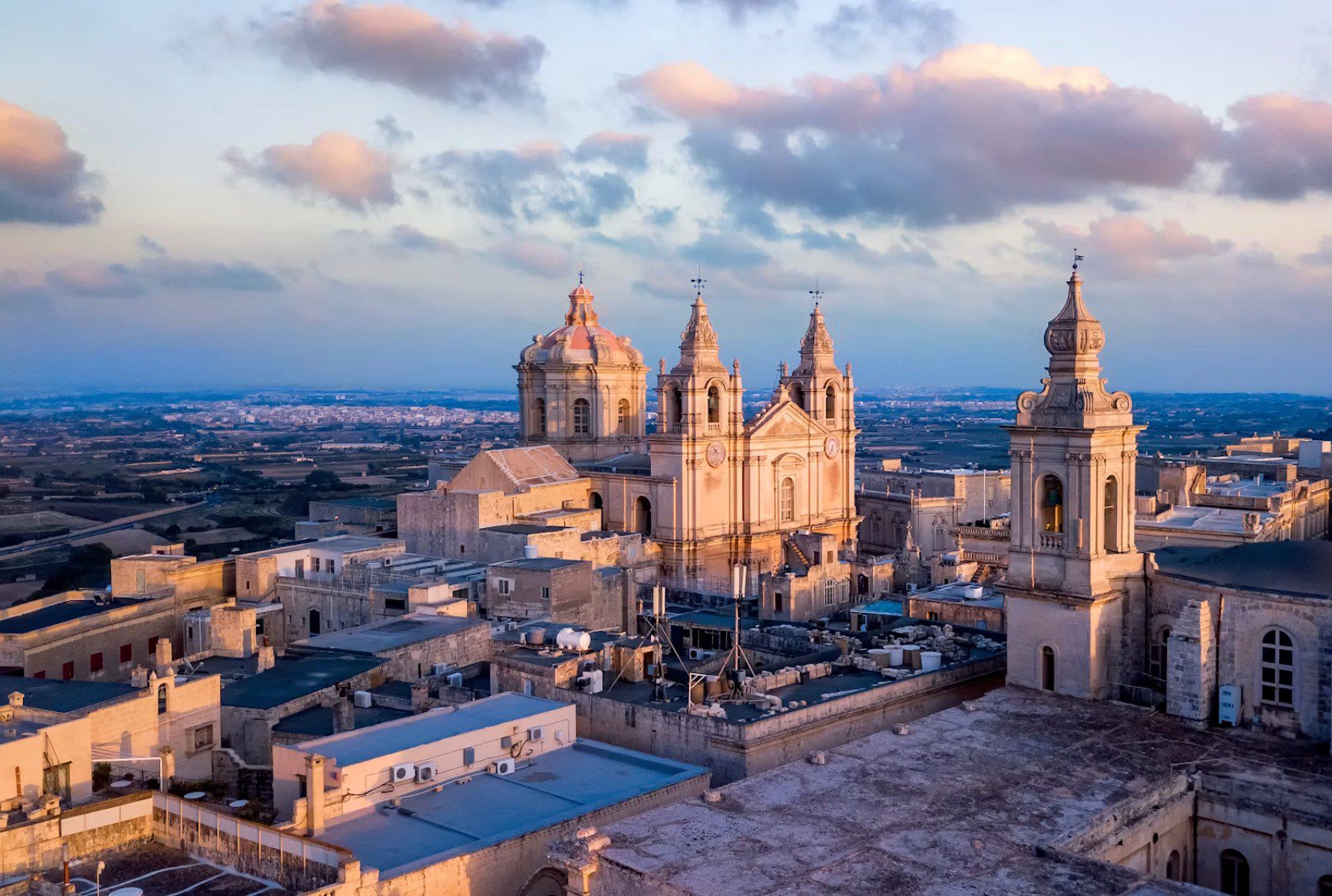
Malta is smaller than you think and more rewarding than you expect — but only if you know what you are getting into. This tiny archipelago packs more history per square mile than almost anywhere in Europe, yet it is less documented than mainstream destinations, so doing your research ahead of time pays off. Here is the practical advice you actually need before you go.
What makes Malta different from more tourist-heavy Mediterranean destinations is its sheer density. You can drive across the main island in under an hour, yet you will find Neolithic temples older than the pyramids, baroque cathedrals, medieval walled cities, and crystal-clear swimming spots all within a few kilometres of each other. The catch? Getting around is slower than the map suggests.
Malta at a Glance
- Capital: Valletta
- Currency: Euro (€)
- Language: Maltese and English (both official)
- English spoken? Yes, nearly everyone speaks it fluently
- Visa required? Most EU, UK, US, and Australian passport holders can enter visa-free for up to 90 days
- Best time to visit: April to June or September to October for pleasant weather and fewer crowds
- Typical trip length: 5–7 days for most first-time visitors
- Time zone: Central European Time (UTC+1), Central European Summer Time (UTC+2)
- Power socket: Type G (three rectangular pins — same as the UK)
- Tipping culture: Not mandatory but appreciated — rounding up or 5–10% for good service is common
- Emergency number: 112
Things to Sort Before You Land in Malta
Visa & entry: For most visitors from the UK, EU, US, Canada, Australia, and New Zealand, no visa is required for stays up to 90 days. Just make sure your passport is valid for at least three months beyond your planned departure date. If you are from outside these countries, check with the Maltese embassy well in advance.
Travel insurance: This matters more than you might think. Malta has a high standard of healthcare, but if you are from outside the EU, you will need insurance to cover any medical treatment. Even EU citizens with a European Health Insurance Card (EHIC) should consider additional cover — the EHIC does not cover private healthcare or emergency repatriation. If you plan to dive, swim in remote coves, or hire a car, make sure your policy covers these activities.
Currency & cash: Malta uses the euro. Credit and debit cards are widely accepted in cities and tourist areas, but smaller villages, family-run restaurants, and some market stalls still prefer cash. You can withdraw cash from ATMs across the islands. Avoid Euronet ATMs — they charge high fees and offer poor exchange rates. Instead, use Bank of Valletta, HSBC, or APS Bank machines for fairer rates.
SIM card / connectivity: An eSIM is the easiest option for most visitors — you can set it up before you travel and have data the moment you land. Local SIM cards from Epic, Go Mobile, or Melita are also available at the airport and in shops, but they require some paperwork. Coverage is strong across the main islands, though it can get patchy in remote parts of Gozo and inside stone buildings.
Downloads to have offline: Download offline maps for Malta through Google Maps or Maps.me before you arrive. Valletta and Mdina are full of narrow, winding streets where GPS can struggle, and offline maps are a lifesaver. Also download the Tallinja app for bus schedules and Bolt for taxis — both work well on the islands.
Getting Around Malta: What First-Timers Need to Know
Public transport: Buses cover the islands and are cheap (a couple of euros per ride), but they are not fast. They can be crowded and slow during peak season and rush hour. The Tallinja app shows live schedules and routes. For frequent travel, consider a Tallinja card for faster boarding and better fares.
Taxis & rideshare: Bolt is the go-to rideshare app in Malta — it is cheaper than traditional taxis and widely used by locals and tourists alike. White taxis have fixed fares from the airport but use meters elsewhere and can be pricey. Black taxis (private hire) need to be booked in advance and are more competitive.
Renting a car: This is a popular option, but it comes with warnings. Roads are narrow and often congested, local drivers are aggressive, and indicators are sometimes treated as optional. You drive on the left, as in the UK. You will need an International Driving Permit if you come from outside the EU or UK. Parking in Valletta, Sliema, and St. Julian’s can be a nightmare. However, having a car makes exploring Gozo and remote beaches much easier.
Ferries & water taxis: Ferries are the scenic way to get between Valletta, Sliema, and the Three Cities. They are cheap, fast, and offer stunning harbour views. Water taxis (traditional dghajsa boats) cross the Grand Harbour and are worth doing at least once for the experience.
What guidebooks skip: Getting around takes longer than you expect despite the small size. Traffic in the Valletta-Sliema-St. Julian’s conurbation can be heavy, and buses do not always run on time. Plan your days with extra buffer time between activities.
Money in Malta: Budget, Costs, and Payment Tips
Malta is not as cheap as many people assume, but it does not have to break the bank either. Here is the reality.
Daily budget breakdown (approximate, July 2026):
- Budget traveler: €60–90 per day (hostel dorm, self-catering, public transport, street food)
- Mid-range traveler: €120–200 per day (3-star hotel, restaurant meals, a few taxis, entry fees)
- Luxury traveler: €250+ per day (boutique hotel, fine dining, private tours)
What is surprisingly cheap: Pastizzi (flaky pastry filled with ricotta or peas) cost around €1–2 and are everywhere. Public buses cost a couple of euros. Entry to most museums and churches is reasonable, and many historic sites are free to walk around.
What costs more than expected: Accommodation prices surge in July and August. Eating in tourist hotspots like St. Julian’s waterfront or Valletta’s main squares costs significantly more than going one street back. Boat trips to the Blue Lagoon and Gozo can add up if you book last minute.
ATM situation: ATMs are widely available. Avoid the blue-and-yellow Euronet ATMs — they charge high fees and have poor exchange rates. Stick to Bank of Valletta, HSBC, or APS Bank machines.
Tipping: Not obligatory, but rounding up the bill or leaving 5–10% for good service is appreciated in restaurants. Taxi drivers do not expect tips, but rounding up is a nice gesture.
One money mistake first-timers make: Assuming the airport ATM gives the best rate. It does not. Withdraw smaller amounts at the airport if you need cash immediately, then use a local bank ATM in the city for better rates.
Culture and Etiquette: What to Know Before You Go
Malta is a relaxed and welcoming country, but it is also deeply traditional in many ways. Knowing these cultural norms will help you avoid awkward moments.
Greeting customs: A handshake is appropriate when meeting someone for the first time. “Bonġu” means good morning, “bonswa” is good evening, and “grazzi” means thank you. Even a few words in Maltese will be appreciated.
Religious sites — dress code and behaviour: This is a big one. Malta is predominantly Roman Catholic, and churches are sacred spaces. Cover your shoulders and knees when entering a church. Remove hats and sunglasses. Speak quietly and do not take photos during services. It is not just polite; it is expected.
Dining customs that surprise first-timers: Dinner starts late — around 7:30 or 8:00 PM, especially in summer when the heat eases after dark. Meals are unhurried, so do not expect fast service in restaurants. That is part of the culture.
Photography etiquette: Ask before taking photos of people, especially in villages and markets. Flash photography is often prohibited inside churches and museums. And remember, topless and nude sunbathing is illegal in Malta.
One cultural misunderstanding tourists make: Assuming that casual beach attire is fine anywhere. It is not. Cover up with a sarong or T-shirt when away from the beach — walking through towns in swimwear is considered disrespectful.
What locals appreciate that tourists rarely do: Learning a few words of Maltese and showing interest in their festas (village saint celebrations). If you happen to be in a village during a festa, join the street party — locals love sharing this tradition with respectful visitors.
Food in Malta: What to Try and What to Skip
Maltese cuisine is a reflection of its history — Italian, North African, and British influences all show up on the plate. You do not need a full food guide to eat well, but here are the essentials.
3–4 dishes to try:
- Pastizzi — the ultimate Maltese street food. Flaky filo pastry filled with ricotta or mushy peas. Find them at local bakeries for around €1–2.
- Fenkata — rabbit stew, the national dish. Usually slow-cooked in red wine with garlic and served with crusty bread.
- Ġbejniet — Maltese sheep’s or goat’s milk cheese, served fresh, dried, or peppered. Often found in salads or on ftira (Maltese pizza).
- Ftira — a dense sourdough ring bread topped with tomato paste, tuna, capers, olives, and cheese. Gozo does this exceptionally well.
1–2 local drinks worth knowing: Cisk is the local lager — a refreshing option on a hot day. Maltese wine (from the gellewza or girgentina grape) is underrated and worth trying, especially the sparkling rosé. Cactus fruit juice is also worth a taste.
Where to eat cheaply without eating badly: Follow the locals to side-street bakeries and pastizzerias. Places like Is-Serkin Crystal Palace Bar near Rabat are famous for the best pastizzi on the island and are packed with locals.
One food trap: Restaurants on the main tourist squares in Valletta or St. Julian’s charge significantly more for the same dishes you will find one street back. Walk a few minutes away from the harbourfront for better value.
Mistakes First-Time Visitors to Malta Make
These are the mistakes travellers keep mentioning on forums and in reviews. Avoid them and your trip will go much smoother.
Not booking the Hypogeum in advance. The Ħal Saflieni Hypogeum is a 5,000-year-old underground necropolis and one of Malta’s most spectacular sights. Only 80 people are allowed in per day. You need to book online at least a few weeks in advance — ideally up to three months — or you will miss out.
Underestimating the heat. Summer in Malta is no joke. The sun is intense, shade is limited in many historic sites, and walking around Mdina or Valletta at midday can be exhausting. Visit between April–June or September–October if you can. If you come in summer, do sightseeing early morning or late afternoon.
Relying only on buses. Buses are cheap, but they are slow and crowded in peak season. They do not always run on time. Download the Tallinja app and allow plenty of time, or use Bolt for faster travel when you are in a rush.
Not packing water shoes. Many of Malta’s beaches are rocky, not sandy. St Peter’s Pool, the Blue Lagoon, and most of Gozo’s coastline are rock formations. Water shoes make swimming and climbing around much more comfortable.
Going to the Blue Lagoon at midday. Comino’s famous Blue Lagoon is stunning, but it fills up with crowds by late morning. Take an early ferry or go later in the afternoon for a much better experience.
Assuming you can park anywhere. Parking in Valletta, Sliema, and St. Julian’s is a nightmare. If you hire a car, plan your parking in advance or leave it at your accommodation and use buses or taxis in busy areas.
Forgetting a light jacket for evenings. Even in summer, coastal evenings can bring a cool breeze. In spring and autumn, it gets genuinely chilly after dark. Pack a light layer.
Using Euronet ATMs. These blue-and-yellow machines are everywhere and look convenient, but they charge high fees and give bad exchange rates. Use Bank of Valletta, HSBC, or APS Bank instead.
How Long Do You Need in Malta?
Malta is compact, but you can easily fill a week and still have things left to see. Here is how to think about your trip length.
Minimum days to see the highlights: 3–4 days. You can hit Valletta, Mdina, the Three Cities, and the Blue Lagoon in this time, but it will be rushed.
Ideal trip length: 5–7 days. This gives you enough time to explore Valletta properly (at least a full day), see Mdina and Rabat, visit the Hypogeum, do a day trip to Gozo, and spend some time at the beach or swimming in the sea.
What you can realistically do:
- 3–4 days: Day 1: Valletta (St John’s Co-Cathedral, Upper Barrakka Gardens, Grand Harbour ferry). Day 2: Mdina and Rabat. Day 3: Blue Lagoon (morning) and St Julian’s. Day 4: Three Cities or a beach.
- 5–7 days: As above, plus a full day trip to Gozo (Ġgantija Temples, Victoria, Ramla Bay) and time to explore Marsaxlokk fish market (Sunday), the Hypogeum, or Dingli Cliffs.
For a full day-by-day itinerary, see our Malta itinerary guide → [INTERNAL LINK: Malta itinerary guide]
Frequently Asked Questions — First-Time Visitors to Malta
Is Malta easy to travel independently?
Yes, very easy. English is spoken everywhere, public transport exists (though slow), and the country is safe. Independent travel is the norm for most visitors. The compact size means you can cover a lot on your own without needing a tour.
How much money do I need for a week in Malta?
For a mid-range trip, budget around €120–200 per day per person, which covers accommodation, meals, transport, and entry fees. A budget trip could be €60–90 per day. Accommodation is the biggest variable — prices in peak season can be double off-season rates.
Do I need to know the local language in Malta?
No. English is an official language and nearly everyone speaks it fluently. Signs, menus, and transport announcements are all in English. Learning a few Maltese words like “grazzi” (thank you) is a nice gesture, but you can get by perfectly well without it.
Are the beaches in Malta sandy?
Not all of them. Malta has some sandy beaches (Golden Bay, Mellieħa Bay, St George’s Bay), but many are rocky. Gozo has Ramla Bay’s striking red-gold sand. Comino has the famous Blue Lagoon, which is more rock than sand. Pack water shoes regardless.
Is driving in Malta as bad as people say?
It can be stressful. Roads are narrow, traffic is heavy around major towns, and local drivers can be aggressive. You drive on the left. Parking is difficult in Valletta, Sliema, and St Julian’s. However, having a car is great for exploring Gozo and remote beaches. If you are not a confident driver, stick to buses and Bolt.
Malta rewards independent travelers who do their research and come prepared. The archipelago is genuinely incredible — ancient temples, blue Mediterranean waters, and cities that feel like open-air museums — but it is also more demanding than many expect. Go with realistic expectations, pack appropriately, and give yourself time to wander slowly. Most first-time visitors say they wish they had stayed longer.