

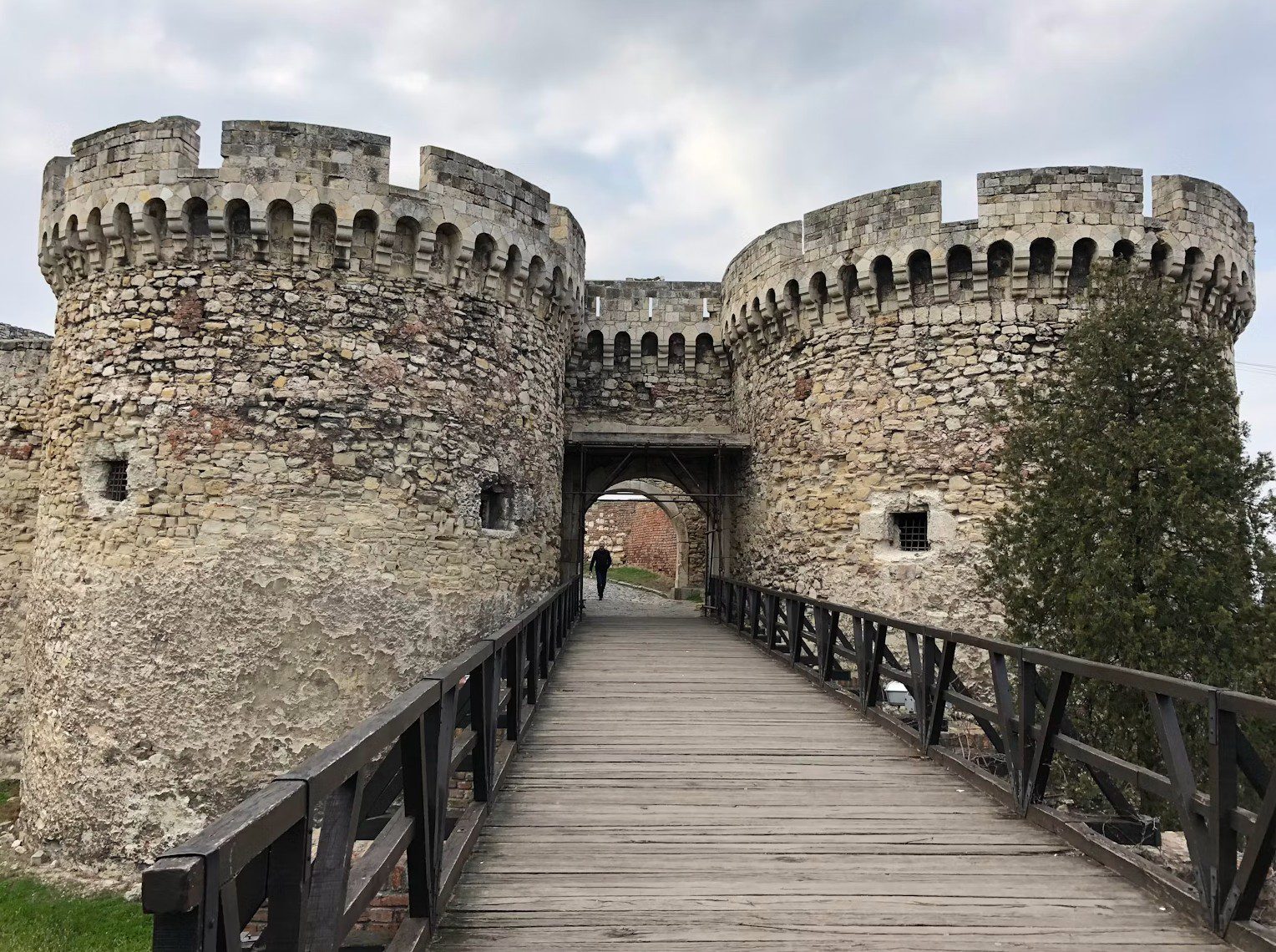
The best time to visit Serbia depends on what you are after. For hiking and outdoor exploration, May and September are ideal. For music festivals like EXIT, July is your month. If you want to avoid crowds and keep costs low, October is a strong contender. Here is the full breakdown.
Serbia’s seasonality is defined by its landlocked position in the heart of the Balkans. The country experiences hot, dry summers with temperatures often exceeding 30°C and cold winters with reliable snowfall in the mountains. This means you can enjoy everything from European river cruises to Balkan mountain skiing, depending on when you arrive.
Serbia by Month — Quick Overview
- January: Cold (Belgrade -2°C to 4°C), low crowds, low prices. Best for skiing on Kopaonik mountain and New Year atmosphere in Belgrade.
- February: Cold (Belgrade -1°C to 6°C), low crowds. Best for winter sports and exploring museums; snow cover is reliable on the slopes.
- March: Transitional (Belgrade 3°C to 12°C), low crowds. Best for the Belgrade Dance Festival and early spring city breaks in Novi Sad.
- April: Mild (Belgrade 7°C to 17°C), moderate crowds. Best for hiking in Tara National Park and sightseeing before the summer heat.
- May: Warm (Belgrade 12°C to 22°C), increasing crowds. Best for the Grape Harvest Festival and exploring Zlatibor’s lush landscapes.
- June: Warm to hot (Belgrade 15°C to 25°C), moderate crowds. Best for outdoor adventures, river rafting, and early festival season.
- July: Peak heat (Belgrade 16°C to 27°C, often 30°C+), peak crowds, high prices. Best for the EXIT Festival in Novi Sad, the Guča Trumpet Festival, and river activities.
- August: Peak heat (Belgrade 15°C to 27°C), peak crowds, highest prices. Best for the Nišville Jazz Festival, cooling off in the mountains, and enjoying the Danube.
- September: Comfortable (Belgrade 12°C to 24°C), lower crowds. Best for hiking, wine harvest, and the Belgrade Music Festival.
- October: Mild (Belgrade 8°C to 18°C), low crowds. Best for autumn colours, the Bitef International Theatre Festival, and cultural sightseeing.
- November: Cool (Belgrade 3°C to 10°C), low crowds, low prices. Best for museum visits and experiencing the rainy season; rainiest month.
- December: Cold (Belgrade 0°C to 5°C), low crowds. Best for Christmas markets and the Küstendorf International Film Festival in Drvengrad.
Peak Season (July–August): Crowds, Heat, and High Prices
Peak season in Serbia arrives with July and August. The weather is hot and often uncomfortably so. Daytime temperatures regularly hit 27°C to 30°C and can climb higher, especially in Belgrade and the Vojvodina plains. The upside is that this is when Serbia’s legendary festivals come alive. The EXIT Festival at Novi Sad’s Petrovaradin Fortress draws music fans from around the world. The rowdy Guča Trumpet Festival in central Serbia offers a uniquely Balkan experience in August.
Crowds are at their maximum. Belgrade’s riverside nightlife is packed, and accommodation prices spike significantly, often doubling compared to shoulder season rates. The heat makes inland sightseeing a challenge, especially in the capital’s cobblestone streets. However, this is the best time to enjoy Serbia’s rivers and lakes, with rafting on the Ibar and Lim rivers offering a refreshing escape.
For festival-goers, adventure seekers, and travelers who thrive on hot weather, this season delivers maximum energy. The one honest downside is that the combination of heat and crowds can be overwhelming for those wanting a quieter cultural experience.
Shoulder Season (May–June and September–October): The Sweet Spot
May and June
May and early June are considered by many to be the best time to visit Serbia. The weather is warm but not yet uncomfortable, with temperatures ranging from 22°C to 25°C. The landscape transforms into a vibrant green carpet across the countryside, creating the perfect setting for hiking in Tara National Park, exploring the Uvac Gorge, or mountain-biking in Serbia’s nature reserves.
Crowds are manageable. You can explore Belgrade’s Bohemian quarter Skadarlija, the Petrovaradin Fortress, and Novi Sad’s Freedom Square without the peak-season crush. Accommodation prices remain reasonable, and you can book tours at short notice. The major advantage is accessibility. Mountain roads in Kopaonik and Zlatibor are open, and the hiking conditions are excellent with mild temperatures. This period suits couples, hikers, and anyone who wants to explore without the summer heat.
September and October
September is a golden month. The intense summer heat has broken, leaving comfortable 24°C days. The autumn colours transform the country into a canvas of gold, orange, and red, making it ideal for wine tasting and exploring cultural landmarks. For many travelers, this is the single best window to visit Serbia.
October is equally good for different reasons. The Bitef International Theatre Festival in Belgrade draws international artists. The Belgrade Music Festival in October coincides with the wine harvest. Temperatures in the lowlands are mild at 18°C, perfect for sightseeing. The one limitation is that mountain temperatures begin to drop quickly, and some higher-altitude trails become less accessible by late October.
Off Season (November–March): Quiet, Cheap, and Underrated
Winter from November to March is a completely different experience. The tourist infrastructure slows down significantly, but the cities remain open and welcoming. This is the best time to visit Serbia for budget travelers, as accommodation prices drop substantially.
Who should consider visiting in the off-season? Skiers and snowboarders heading to Kopaonik, Serbia’s largest ski resort, will find excellent conditions from December through March. Snowshoeing on Golija offers a quieter alternative to crowded trails. For city lovers, Belgrade and Novi Sad offer cozy winter atmospheres with festive markets and cultural events. The Küstendorf International Film Festival in Drvengrad in January and the Belgrade Dance Festival in March are winter highlights.
One honest limitation is the weather. November is rainy, and snow can close mountain passes. However, the upside is cultural immersion. The festive markets and Orthodox Christmas celebrations offer an intimate glimpse into Serbian winter traditions.
Best Time to Visit Serbia Based on What You Want
For Festivals and Events
Best months: July, August. The EXIT Festival in Novi Sad, the Guča Trumpet Festival, and the Nišville Jazz Festival are the country’s premier cultural events. July and August deliver maximum festival energy with the most sunshine.
For Hiking and Nature
Best months: May, June, September, October. These months offer comfortable temperatures for trekking in Kopaonik and Tara National Parks. Spring brings wildflowers, while autumn delivers spectacular colours.
For Sightseeing and History
Best months: April, May, September, October. The UNESCO city of Novi Sad, Belgrade’s Kalemegdan Fortress, and the art nouveau city of Subotica are best explored without summer heat. These shoulder months keep the weather pleasant and the crowds manageable.
For Budget Travelers
Best months: November, December, March. Tourist numbers are at their lowest, and accommodation prices drop significantly. Ski resorts still offer good value compared to Alpine destinations.
For Avoiding Crowds
Best months: May, October. You get shoulder season weather with low-season crowd levels. May has the advantage of spring greenery, while October offers autumn colours and the Bitef Theatre Festival.
For Skiing and Winter Sports
Best months: January, February. Kopaonik has reliable snow cover. February typically offers the clearest skies and best visibility for mountain views.
A Few Things to Know Before You Book
Your booking strategy should align with the season. For peak travel in July and August, book accommodation at least 3-4 months in advance, especially during the EXIT Festival in Novi Sad. For the shoulder seasons of May, June, September, and October, booking 4-6 weeks ahead is usually sufficient. During the off-season, you can often book on arrival.
Most Western passport holders can enter Serbia visa-free for up to 90 days, so there are no major visa timing constraints. However, it is important to check the dates for Serbian Orthodox holidays, as they can cause short-term spikes in activity and accommodation demand.
Road conditions in the mountains can be challenging in winter. The passes to Kopaonik and Zlatibor can close due to snow. Always check the current weather and road status before driving if you are planning a winter visit. In summer, be prepared for the intense heat in Belgrade and plan your sightseeing for early morning or late evening.
Frequently Asked Questions
What is the best month to visit Serbia overall? May and September are widely considered the best overall months for their comfortable temperatures, moderate crowds, and accessibility to most regions.
Is Serbia good to visit in October? Yes, October is a fantastic month for autumn colours, theatre festivals, and wine tasting. The weather remains mild at 18°C, though mountain hiking may be limited by late month.
What is the rainy season in Serbia? June is the rainiest month in Serbia, with significant rainfall. November and December also see high precipitation levels.
Is Serbia worth visiting in winter? Yes, if you enjoy skiing on Kopaonik, budget city breaks in Belgrade, or experiencing festive markets and winter festivals without the crowds.
What is the hottest month in Serbia? July is typically the hottest month, with temperatures often exceeding 30°C and occasionally reaching 35°C or more.
 admin
admin