

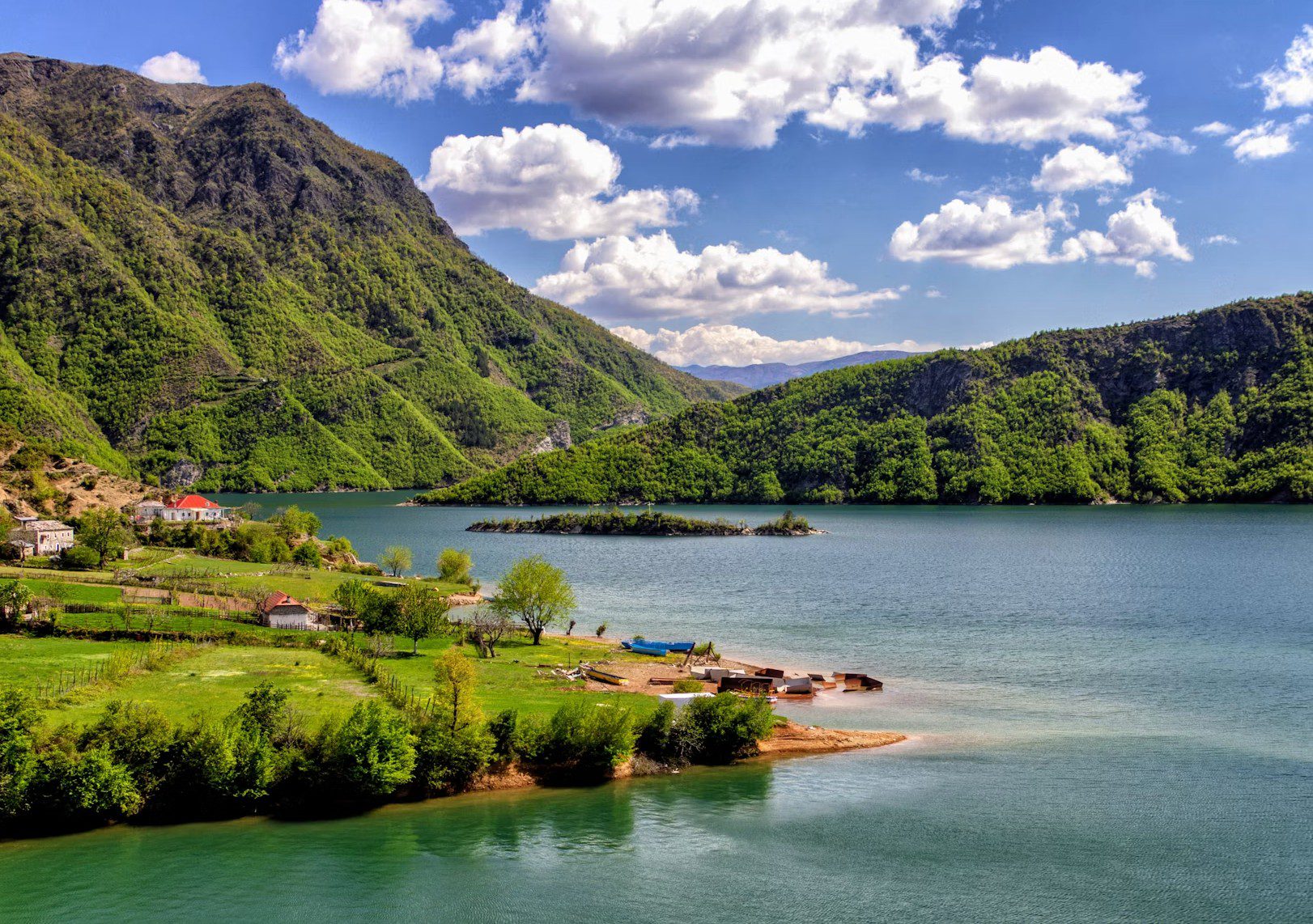
Yes, Albania is generally safe for solo travelers — including women. The country has a lower crime rate than many Western European destinations, and violent crime against tourists is rare. But like anywhere, a few things are worth knowing before you go.
Albania’s safety profile is unique because of the stereotypes that still linger. Many people arrive expecting danger based on outdated media portrayals, only to find welcoming locals, low petty crime, and a country that feels safer than most of Europe. Here is the honest picture.
Albania Safety at a Glance
- Overall crime rate: Low. Albania has a lower crime rate than Canada’s, and robbery rates are among the lowest in Europe.
- Petty theft: Low in rural areas, moderate in crowded tourist zones like Ksamil and Sarandë. Pickpocketing is not common but can happen in busy places.
- Solo female travel: Generally safe. Many solo female travelers report feeling comfortable, though street attention in cities can occur.
- Scams targeting tourists: Taxi overcharging is the most common issue. Avoid buying illicit drugs along the Riviera as this puts you close to organized crime.
- Natural hazards: Moderate. Earthquakes can occur. Severe weather from December to February may cause flooding in the north. Landmines remain a risk in northeastern border areas near Kosovo.
- Transport safety: Roads can be poor outside cities, with potholes and mountain roads lacking barriers. Driving styles are often fast.
- Night safety: Safe in main towns like Tirana, but be cautious in remote areas. Avoid walking alone late at night in poorly lit streets.
Is Albania Safe? The Honest Answer
Albania is safe. The country has a lower crime rate than many Western nations, and violent crime against tourists is exceptionally rare. Petty theft does occur in tourist areas and on public transport, but it’s less common than in major European capitals. Most solo travelers report feeling comfortable throughout their stay.
The local attitude toward tourists is welcoming. Albanians are known for their hospitality, and many in the tourist industry speak English. The country has a growing tourism sector and locals are genuinely happy to see visitors. Younger generations are particularly fluent in English, making communication easy.
One thing to note is that Albania is still a developing nation. Infrastructure is not on the level of Western Europe, roads can be rough, and service standards vary. But this is part of its unpolished charm rather than a safety concern. Political protests occur regularly in central Tirana. Most are peaceful, but they can escalate quickly. Monitor local news and avoid large gatherings.
Is Albania Safe for Solo Female Travelers?
Albania is considered safe for solo female travelers. Many women travel alone here without major issues, and the country does not present any more danger than other European destinations. However, a few things are worth knowing.
Street harassment exists but is not widespread. In cities like Tirana, you may encounter some attention, but it is typically verbal rather than physical. Dressing modestly helps, especially when visiting religious sites. While there is no strict dress code, covering shoulders and knees is a sign of respect in mosques and churches. Many mosques provide wraps if you arrive without proper attire.
Nightlife safety is similar to other European cities. In Tirana’s Blloku neighborhood and along the Riviera, bars and clubs are generally safe. Stick to well-lit areas, and avoid walking alone late at night in isolated spots. Hostels in Albania are solo-female-friendly, with many offering female-only dorms and organizing group activities.
One practical tip that most guides miss: carry small change for public transport and taxis. Drivers often claim they cannot break large bills, which can lead to overcharging or awkward situations.
Scams and Tourist Traps to Know About
Taxi overcharging at the airport: Taxis waiting outside Tirana Airport charge more. Avoid this by contacting an electric taxi company like Do Taxi in advance, or take the airport bus for the 30-minute ride to Skanderbeg Square. Always agree on the price before getting in.
Beach vendors claiming private space: Along the Albanian Riviera, beachside restaurant vendors may tell you to remove your towel from public beach areas. Legally, Albanian beaches are open to everyone, but these vendors can be persistent. You can either move to a quieter beach or stand your ground politely.
Exchange rate traps: Some shops and restaurants accept euros but offer poor exchange rates. Always pay in Albanian lek to avoid losing money. Currency exchange offices are common, and rates are generally fair.
Car rental deposit issues: Local rental agencies often ask for cash deposits instead of credit card holds. While local agencies are generally reliable, paying cash means you are not protected by credit card insurance. Take photos of the car before you drive off.
Safest (and Sketchiest) Areas in Albania
Tirana: The capital is generally safe and walkable. Avoid the area near government buildings during protests, as demonstrations can become violent. The Blloku neighborhood is lively and safe at night.
Albanian Riviera: Destinations like Ksamil, Sarandë, and Himarë are safe but crowded in summer. Pickpocketing is more likely in busy beach areas. Keep your belongings close, and avoid buying illicit drugs, as this can connect you to organized crime.
UNESCO towns (Berat and Gjirokastër): These are safe and suitable for solo travel. Streets are steep and cobblestoned, so wear sturdy footwear. The biggest concern is navigating the narrow lanes without a map, not crime.
Mountain regions (Theth and Valbona): These areas are safe but remote. Phone signal is limited, and weather can change quickly. Solo hikers should hire a guide, inform someone of their itinerary, and stay on marked trails. Landmines remain a risk along the northeastern border with Kosovo.
Rural vs urban: Traveling between cities is safer by day. Remote hiking requires preparation. Solo travelers should take extra precautions in the mountains.
Solo Travel Safety Tips for Albania
- Get a local SIM at the airport or download an eSIM before you arrive. Coverage outside Tirana can be patchy, but Vodafone and One have good networks.
- Emergency numbers: Police call 129, medical emergencies call 127, fire and rescue call 128, traffic police call 126, sea emergencies call 125.
- Carry cash in Albanian lek. Card payments are rare outside major cities, and ATMs charge steep fees (€6 or more). Bring euros to exchange locally, or withdraw from ATMs in cities for better rates.
- Always carry identification. It is the law in Albania. Keep your passport or a copy with you at all times.
- Book accommodation in advance during peak season (July-August). The Riviera gets packed, and finding a room at short notice can be difficult.
- Be flexible with transport. Buses and furgons (minibuses) do not run on fixed schedules. They leave when full. Allow extra time for travel, and ask hostel staff for advice.
- Wear sturdy footwear. Streets in historic towns are steep and rocky. For beach days, consider reef shoes to protect against sea urchins and sharp rocks.
- Stay hydrated in summer. Temperatures can exceed 40°C. Carry a water bottle, use sunscreen, and plan sightseeing for early morning or late evening.
- Don’t accept packages from strangers. Drug offenses carry severe penalties, and you could be used as a courier without knowing it.
- Learn a few Albanian phrases. Faleminderit (thank you), përshëndetje (hello), sa kushton? (how much?). Locals appreciate the effort.
- For solo travelers specifically: Stay in hostels to meet other travelers and join group activities. Hostel staff can help with transport and itinerary advice.
- Purchase comprehensive travel insurance. Healthcare in Albania is limited, and medical evacuation can be expensive. Make sure your policy covers adventure activities if you plan to hike.
What Solo Travelers Say About Albania
Solo travelers consistently report that Albania is safer than expected. The stereotype of danger is outdated, and most visitors find the country welcoming and easy to navigate. Many travelers recommend the country for solo travel, particularly for its affordability and friendly locals.
What catches people off guard is the infrastructure. Public transport is unpredictable, roads are rough, and cash is king. Travelers who arrive expecting everything to work like Western Europe are often frustrated. Those who embrace the chaos have a great time.
A recurring concern mentioned in travel forums is the lack of reliable information online. Bus timetables are hard to find, and Google Maps can lead you onto roads that do not exist or are not car-friendly. Asking locals for directions before setting out solves this problem.
Travelers also note that Albania is particularly rewarding for those who do some research beforehand. Understanding the country’s history, carrying enough cash, and being flexible with plans are the top tips from experienced solo travelers.
Frequently Asked Questions
Is Albania safe for solo female travelers? Yes, Albania is generally safe for solo female travelers. Street harassment is less common than in many Western European cities. Dress modestly at religious sites, avoid walking alone late at night in isolated areas, and stay in hostels with good reviews for added safety and social connection.
Is Albania safe at night? In main towns like Tirana and Sarandë, it is safe to walk at night in well-lit areas. However, avoid poorly lit streets and remote areas after dark. The Blloku neighborhood in Tirana is lively and safe in the evening. In rural areas and mountains, avoid walking at night altogether.
What are the biggest safety risks in Albania? The main risks are petty theft in crowded tourist areas, unpredictable driving on mountain roads, and natural hazards like earthquakes and flooding. Political protests in Tirana can turn violent. Landmines remain a risk in the northeastern border region with Kosovo — obey warning signs and stay on paved roads.
Is it safe to drive in Albania? Driving in Albania is possible but requires caution. Roads can be rough, with potholes and narrow mountain roads lacking barriers. Driving styles are often fast, and road signs are not always clear. Rent a car from a reputable agency, and avoid driving at night. If you are involved in an accident, even a minor one, stay at the scene until the police arrive.
Is Albania safe for LGBTQ+ travelers? Same-sex relationships are legal in Albania, but society remains conservative, especially outside Tirana. Avoid public displays of affection in rural areas. The capital is more open-minded, but harassment is still possible. Exercise the same caution you would in other conservative European countries.
Bottom Line
Albania is a safe and rewarding destination for solo travelers who do their homework. If you are comfortable with some unpredictability, carry cash, and stay flexible, you will find a welcoming country with warm hospitality and beautiful scenery.
Budget travelers and hikers will feel particularly at home here. Those who prefer seamless, predictable travel might find Albania frustrating. But for anyone willing to embrace a little adventure, the rewards far outweigh the minor inconveniences.