

The best time to visit Malta depends on what you want to do. For beaches and swimming: June through September. For sightseeing and hiking without overheating: April, May, September, or October. For budget travel and fewer crowds: November through March. Here is the full breakdown.
Malta is a small Mediterranean archipelago with over 300 days of sunshine a year, which makes it a year-round destination. Summers are long and hot, winters are mild, and the shoulder seasons offer the best balance of good weather and manageable crowds.
Malta by Month — Quick Overview
Average temperatures below are for Malta International Airport; coastal areas are similar. Crowds and prices are relative to the yearly peak.
- January: 15°C high, 10°C low. Low crowds. Low prices. Valletta Baroque Festival; quiet city exploration.
- February: 15°C high, 10°C low. Low crowds. Low prices. Carnival in Nadur and Valletta; cheapest month.
- March: 17°C high, 11°C low. Low-Medium crowds. Low-Medium prices. Wildflowers bloom; Dingli Cliffs hiking.
- April: 20°C high, 13°C low. Medium crowds. Medium prices. Easter processions; ideal sightseeing.
- May: 24°C high, 16°C low. Medium crowds. Medium prices. Comino’s Blue Lagoon swimmable; perfect weather.
- June: 28°C high, 19°C low. High crowds. High-Medium prices. Beach season starts; diving season peak.
- July: 32°C high, 22°C low. Peak crowds. Peak prices. Village festas; fireworks; hottest month.
- August: 32°C high, 23°C low. Peak crowds. Peak prices. Hottest sea temperatures; very crowded.
- September: 28°C high, 21°C low. High-Medium crowds. High-Medium prices. Wine harvest; warm sea; best all-round month.
- October: 24°C high, 18°C low. Low-Medium crowds. Medium prices. Still warm; fewer crowds; good for sightseeing.
- November: 20°C high, 15°C low. Low crowds. Low prices. Rain increases; quiet cultural visits.
- December: 16°C high, 12°C low. Low-Medium crowds. Low-Medium prices. Christmas markets; mild winter sun.
Peak Season (July–August): Crowds, Heat, and High Prices
Summer is the hottest and busiest time in Malta. Daytime highs average 30–32°C, and humidity can make it feel warmer. Rainfall is minimal — July often sees none at all. The sea temperature reaches 26°C, making it ideal for swimming, snorkeling, and diving.
This is when everyone shows up. Valletta’s streets, the beaches at St. Peter’s Pool, and Comino’s Blue Lagoon get packed. Parking in popular spots becomes a genuine challenge. Village festas — celebrations of patron saints — take place almost every weekend, with parades, food markets, and competitive fireworks displays.
Prices spike. Accommodation in Valletta, Sliema, and Gozo can double compared to spring or fall. Restaurants fill up, and you will need reservations for the better ones.
Who is this season for? Families with school-age children, beach lovers who want guaranteed warm sea, and festival-goers who want to experience Malta’s cultural celebrations. The village festas are unique to summer.
Honest downsides: walking around Valletta or Mdina at midday can be draining. The heat and humidity can be oppressive, especially in August. Beaches are packed by late morning.
Shoulder Season (April–June and September–October): The Sweet Spot
April, May, and June
April brings daytime highs around 20°C, rising to 24°C in May and 28°C in June. Spring is when wildflowers bloom along the Dingli Cliffs and coastal trails. The weather is bright but not scorching, making it ideal for hiking and visiting Malta’s prehistoric temples.
Crowds are moderate, with weekends busier than weekdays. Prices are noticeably lower than July and August, and you can still find good deals on accommodation. The sea warms up enough for swimming from late May; the Blue Lagoon is swimmable in May without the summer crush. May is a favorite for many travelers.
Limitations: water temperatures in April are still cool for swimming. Some beach facilities may not be fully operational until June. Easter falls in spring and brings week-long ceremonies that can affect crowds and availability.
September and October
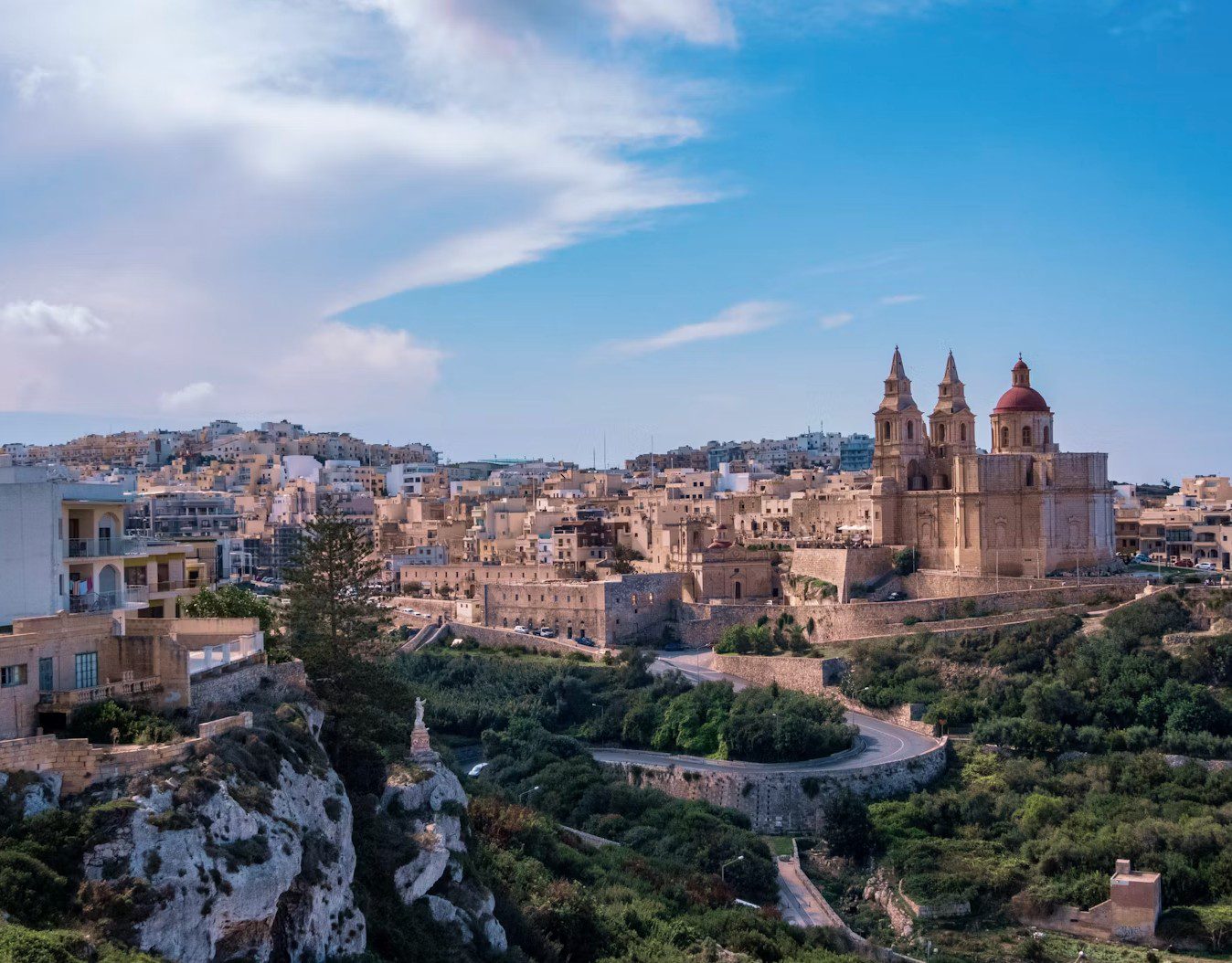
September delivers the single best weather-crowd balance of the year. Temperatures stay around 28°C, and the sea remains warm from summer, often swimmable well into October. The summer haze lifts, offering clear views of Malta’s honey-colored stone architecture. This is also the start of the wine harvest, with local vintages and festivals.
October cools to around 24°C, which is ideal for sightseeing and outdoor dining. Crowds have thinned significantly, and prices drop compared to summer. You can explore Mdina, the Hypogeum, and the Roman villas without jostling for space.
What starts closing: some beach clubs and outdoor venues close by late October. Rain starts to increase, with November being one of the wetter months. For swimming, aim for the first half of October. For wine lovers and photographers, September and October are the most sophisticated months.
Off Season (November–March): Quiet, Cheap, and Underrated
Winter is mild. In Valletta, daytime highs hover around 15–17°C, and it rarely drops below freezing. But rainfall increases — November, December, and January are the wettest months. However, this is one of the sunniest spots in the Mediterranean, and you can expect about five hours of sunshine daily even in winter.
This is the cheapest and quietest time to visit. Hotel rates drop by up to 50% compared to summer. The islands turn green and lush, and you can explore Valletta’s UNESCO-listed architecture, St. John’s Co-Cathedral, and Fort St. Elmo without the crowds.
Who should consider this season? Budget travelers, photographers who want empty city streets, and anyone who genuinely hates crowds. February brings the Nadur Carnival on Gozo — a bizarre and unscripted celebration with grotesque masks and street theater unlike anything else in Europe.
One honest limitation: many coastal restaurants and beach facilities close for the season. Swimming is too cold, though scuba diving remains good all year. Rain can disrupt outdoor activities, and the Sirocco wind can occasionally bring dust from the Sahara.
Best Time to Visit Malta Based on What You Want
For Beaches and Swimming
Best months: June, July, August, September. The sea is warmest from June through September, with temperatures reaching 26°C in August. Beach clubs at St. Peter’s Pool, Ramla Bay, and the Blue Lagoon are fully open, with boat trips and water sports operating at full capacity.
For Sightseeing and City Exploration
Best months: April, May, October, November. These months offer comfortable temperatures for exploring Valletta, Mdina, and the prehistoric temples without the heat of summer. The Hypogeum and Tarxien Temples are easier to access, and the gentle winter light is perfect for photography.
For Hiking and Nature
Best months: March, April, May, October. The Dingli Cliffs and Fawwara Trail are at their best in spring and fall. Spring brings wildflowers and green landscapes; fall offers clear skies and comfortable temperatures for coastal walks.
For Budget Travelers
Best months: November, January, February, March (excluding the Christmas and New Year holiday period). Accommodation and flights are significantly cheaper, and you can often find hotel rooms for half the summer price. February is the cheapest month overall.
For Avoiding Crowds
Best months: May and October. These months offer low-season crowd levels with decent weather. May gives you warm enough sea for swimming without the summer crush; October gives you warm weather and wine festivals. You will not get peak-season sea temperatures, but the trade-off is worth it for peace.
A Few Things to Know Before You Book
Booking lead time matters. For July and August, book accommodation three to four months in advance, especially for Valletta, Sliema, and Gozo. For the shoulder seasons, four to six weeks is usually sufficient. In winter, you can often book on arrival except for the Christmas and New Year weeks.
What to pre-book: accommodation in Valletta and Gozo for summer stays. Boat trips to Comino and the Blue Lagoon also sell out during peak weeks. For diving, book ahead during summer weekends.
Visa timing: Malta is part of the Schengen Area, so visa rules align with Schengen requirements. This does not affect seasonal timing, but check the latest entry requirements before you go.
A practical note specific to Malta: the country is small, but summer heat can be draining. Pack light clothing for summer, but bring layers for winter and spring. The Sirocco wind can occasionally bring dust, so check the forecast if you have respiratory issues.
Frequently Asked Questions
What is the best month to visit Malta overall?
September. The weather is warm but comfortable, the sea is still swimmable, the wine harvest is underway, and the crowds have thinned. It is the month that delivers the most without the downsides of peak summer.
Is Malta good to visit in October?
Yes. October remains an excellent month, with daytime temperatures around 24°C and sea temperatures still warm enough for swimming. Fall colors enhance the landscape, and crowds are significantly lower than summer. Accommodation prices are also more reasonable.
What is the rainy season in Malta?
November, December, and January are the rainiest months, with December receiving the most rainfall. However, rain rarely lasts for long, and you can still expect about five hours of sunshine daily even in winter.
Is Malta worth visiting in winter?
Yes, but with the right expectations. Winter is the cheapest and quietest time for cultural sightseeing, and December brings Christmas markets and the Valletta Baroque Festival. If you do not mind cooler weather and occasional rain, winter offers excellent value.
What is the hottest month in Malta?
July and August have the highest temperatures, with average daytime highs around 32°C and sea temperatures reaching 26°C. August is slightly warmer overall.
The bottom line: pick September for the best all-round experience. If you want spring blossoms and wildflowers, go in April or May. If you want guaranteed beach weather, June through September is your window. If you want culture and budget deals, winter delivers. Each season works for someone.
 admin
admin