

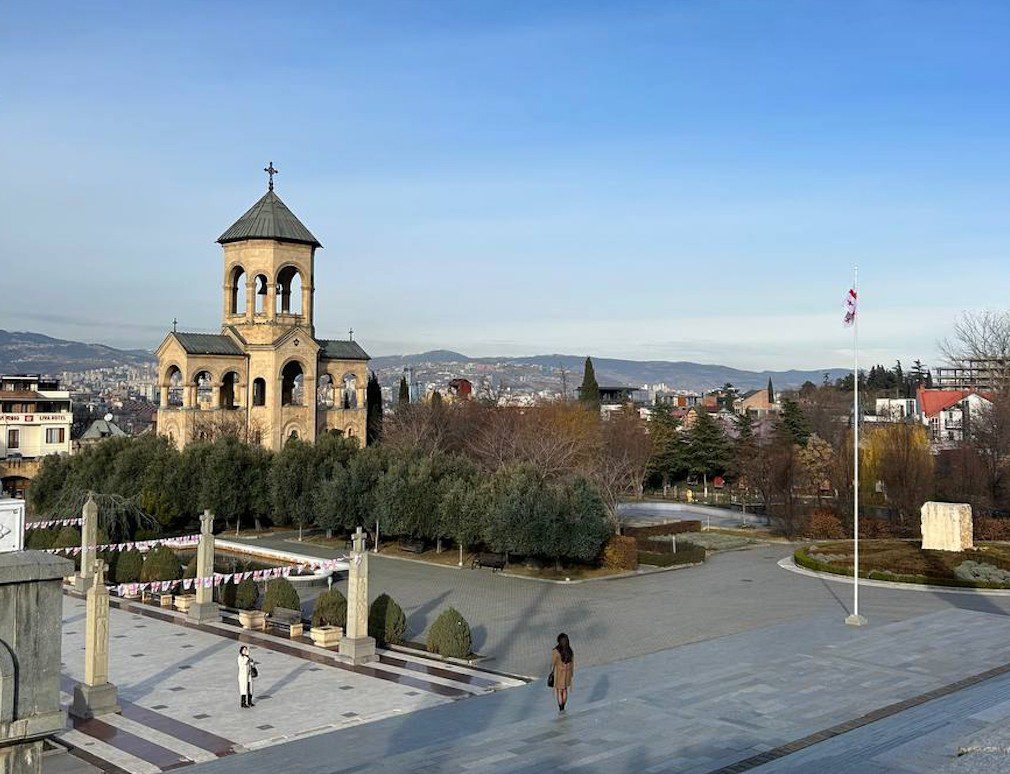
Yes, Georgia is generally safe for solo travelers—including women. But like anywhere, a few things are worth knowing before you go. The country consistently ranks among the safest in the region, with low violent crime rates and a famously hospitable local culture that often goes out of its way to help visitors.
What makes Georgia’s safety profile unique is the contrast: you can walk through Tbilisi’s Old Town late at night and feel completely at ease, yet there are regions near the Russian-occupied territories where international governments explicitly advise against travel. The key is knowing the difference.
Georgia Safety at a Glance
- Overall crime rate: Low. Violent crime against tourists is rare; Tbilisi is considered relatively safe.
- Petty theft: Low to moderate. Pickpocketing is less common than in major European cities but can occur in crowded tourist areas and on public transport.
- Solo female travel: Generally safe. Most women report positive experiences; street harassment is minimal but some attention occurs, particularly in nightlife venues.
- Scams targeting tourists: Moderate. Taxi overcharging is common; bar scams and tourist-trap overcharging exist in busy areas.
- Natural hazards: Moderate. Earthquakes are a risk; mountain weather can be extreme; stray dogs are common in cities and rural areas.
- Transport safety: Moderate. Driving can be erratic with poor road conditions outside cities; marshrutkas (minibuses) are locally used but less regulated.
- Night safety: Safe in main towns. Central Tbilisi and Batumi are generally safe at night; avoid unlit streets and remote areas after dark.
Is Georgia Safe? The Honest Answer
Georgia has a low crime rate compared to many Western destinations. The World Travel Index places it among the top 25–30 safest countries globally based on visitor and resident perceptions of personal safety. Violent crime against tourists is rare and doesn’t represent a meaningful statistical threat.
Here’s the nuance: while violent incidents are uncommon, petty theft and scams do exist, particularly in tourist-heavy areas like Tbilisi’s Old Town and around major attractions. Reports of muggings near Narikala Fortress and Mother Georgia in Tbilisi surface occasionally, recommending that travelers avoid walking alone in this specific area. That’s not a warning to avoid Tbilisi—it’s specific, actionable advice.
Locals are famously welcoming toward tourists. Georgians have a cultural tradition of hospitality that often translates into genuine warmth—offering directions, sharing homemade wine, or even accompanying lost travelers to their destination. This is not a “tourist tolerance” culture; it’s deeply rooted in how Georgians treat guests.
What about recent changes? Political protests occur in Georgia, particularly in Tbilisi, and can sometimes turn confrontational. Government advisories consistently warn travelers to stay away from demonstrations and rallies, as situations can develop rapidly. This doesn’t make the country unsafe—but it’s a real consideration you should factor into your travel plans, especially if you’re visiting during politically sensitive periods.
The one genuine red flag: the Russian-occupied regions of South Ossetia and Abkhazia. The U.S. State Department issues a Level 4 “Do Not Travel” advisory for these areas due to risk of crime, civil unrest, and landmines. Entering via these regions is illegal and can result in criminal prosecution. Main tourist destinations—Tbilisi, Batumi, Kutaisi, the Kazbegi region, and the wine regions—are completely separate and safe.
Is Georgia Safe for Solo Female Travelers?
This is the question most solo female travelers want answered honestly. Here’s what you need to know.
Street harassment: Most solo female travelers report little to no street harassment in Georgia. In tourist centers, curious looks are common, but they’re almost always harmless. That said, unwanted attention from men does occur in certain situations—particularly at nightlife venues in Batumi and tourist areas of Tbilisi. Local women report that sexual harassment and unpleasant comments happen, including from police and special forces during protests.
Nightlife safety: Can a woman go out alone in Tbilisi? Many solo female travelers enjoy bars, restaurants, and clubs without trouble. The same precautions you’d take anywhere apply: stick to reputable places, don’t leave your drink unattended, and avoid poorly lit areas late at night. Women report feeling safe coming home late by themselves in Tbilisi, with taxi apps like Bolt providing affordable, trackable rides.
Dress code and cultural expectations: There’s no strict dress code in Georgia, but dressing modestly—especially when visiting churches or rural areas—helps you blend in and shows respect for local culture. This isn’t about safety so much as cultural awareness. In Tbilisi and Batumi, you’ll see everything from conservative to fashion-forward; use common sense based on where you’re going.
Accommodation safety: Hostels and guesthouses in Georgia are generally solo-female-friendly. Well-reviewed accommodations in central Tbilisi, Batumi, or Kutaisi are recommended, where there’s always someone around if you need help. Many women specifically recommend staying near the center—areas like David the Builder Square in Kutaisi or Batumi Boulevard are walkable, safe, and full of character.
Practical tip most guides miss: Traveling solo as a woman is still uncommon among Georgians, though increasingly normal among tourists. You may get questions about why you’re alone—this is almost always curiosity, not hostility. If you ever feel uncomfortable, Georgians are quick to help if you ask.
Scams and Tourist Traps to Know About
Scams in Georgia are mostly low-level annoyances rather than serious threats. Here are the ones to watch for.
1. Taxi overcharging: Georgia’s taxi landscape is changing, but meter use isn’t universal. Taxi drivers at airports and tourist areas often charge inflated rates. Use ride-hailing apps like Bolt or Yandex Go, which offer clear pricing and driver tracking. If you must hail a street taxi, agree on the price before getting in.
2. Bar and club scams: In tourist areas like Old Tbilisi, “promo agents” may approach friendly strangers and invite them to bars or clubs, then present inflated bills. Check reviews before visiting a bar or club. If someone approaches you on the street with an invitation, decline politely and choose your own venue.
3. Pickpocketing by children: At busy tourist spots in Tbilisi, children may approach you for conversation or a hug—during the few moments of physical contact, they can steal from your pockets or purse. Maintain distance when approached by strangers, especially children, in crowded tourist areas. Keep valuables secured in a crossbody bag or money belt.
4. Unwanted street services: Near the Bridge of Peace in Tbilisi, people may place peacocks on your shoulder for a photo without asking, then demand payment. Similarly, street photographers and performers may overcharge if you agree to services. Be clear if you’re not interested. Negotiate prices before agreeing to anything.
5. Police document checks: Some travelers report being stopped by police for document checks, even in broad daylight. This is reportedly not widespread but has been documented near the Mother Georgia monument in Tbilisi. Carry a photocopy of your passport (not the original) for routine identification. If stopped, comply calmly; the encounter typically lasts only a few minutes.
READ ALSO:
- Georgia Travel Tips: What to Know Before Your First Visit
- Best Time to Visit Georgia: Month-by-Month Guide 2026
- Best eSIM for Georgia in 2026: Tested Options
Safest (and Sketchiest) Areas in Georgia
Tbilisi: The capital is generally considered safe, with central areas lively and walkable even in the evenings. However, the area near Narikala Fortress and Mother Georgia has had reports of muggings—avoid walking alone there. Old Town is well-patrolled and popular with tourists. Outside the center, stick to well-lit streets at night.
Batumi: This Black Sea resort town is safe and popular with solo travelers. The boulevard area is vibrant and walkable. Nightlife here has more reported instances of unwanted male attention, so exercise standard precautions when going out.
Kutaisi: Georgia’s second city is described as “safe, affordable, and packed with soul-stirring moments” for solo travelers. The historic center near David the Builder Square is particularly recommended. It’s quieter than Tbilisi and easier to navigate on foot.
Mountain regions (Kazbegi, Svaneti): These areas are stunning and generally safe, but remote hiking presents risks. Mobile phone coverage can be patchy outside towns. Weather in mountainous areas can change rapidly, and roads are poorly lit and often badly maintained. Solo travelers should consider joining group hikes or hiring local guides for remote treks.
Rural areas in general: Crime rates are lower than in cities, but infrastructure is more limited. It’s safer to travel between cities during daylight hours due to poor road conditions and lack of lighting. Stray dogs are common in both urban and rural areas—do not approach or feed them.
Solo Travel Safety Tips for Georgia
1. Get a local SIM at the airport. Coverage outside cities can be patchy, but having data in urban areas is essential for maps, ride-hailing apps, and emergency communication.
2. Use Bolt or Yandex Go for taxis. These apps offer fixed pricing and driver tracking, eliminating the risk of taxi overcharging. Avoid hailing random street taxis, especially at night.
3. Carry a photocopy of your passport. Leave the original in your accommodation’s safe. You’ll need ID for clubs and bars, but carrying the original increases risk if lost or stolen.
4. Keep emergency numbers saved. The unified emergency number in Georgia is 112. Save your embassy’s contact information as well.
5. Choose accommodation in central areas. In Tbilisi, stay near Old Town; in Batumi, near the boulevard; in Kutaisi, near David the Builder Square. Central areas are walkable, well-lit, and have more people around.
6. Carry cash and a card. Credit and debit cards are widely accepted in cities, but cash is essential in rural areas and markets. ATMs are available but avoid using them after dark, especially if alone.
7. Avoid driving at night. Roads outside cities are poorly lit and often badly marked; local driving can be erratic with sudden overtaking and speeding common. If you rent a car, drive defensively and only during daylight hours.
8. Dress modestly for churches and rural areas. No strict dress code overall, but covering shoulders and knees when entering religious sites shows respect and reduces unwanted attention.
9. Book group activities for remote areas. For mountain hikes, wine tours in Kakheti, or visits to remote villages, small group tours provide safety in numbers and local expertise.
10. Travel with insurance. It’s mandatory for visa-free tourists, and essential for emergency healthcare, especially in remote areas where medical evacuation may be required.
11. Check local media for protest updates. Political rallies are common in Tbilisi and can escalate quickly. Avoid Rustaveli Avenue and other protest hotspots during demonstrations.
12. One solo-specific tip: Let someone know your itinerary, especially if you’re hiking or traveling to remote areas. Mobile service can be patchy, and having a check-in system is smart when you’re alone.
What Solo Travelers Say About Georgia
Travelers on forums and review platforms consistently report positive experiences. The overwhelming sentiment: Georgia is safe, welcoming, and surprisingly easy for solo travel.
What travelers consistently say is fine: Walking around Tbilisi and Batumi—even at night—without feeling unsafe. Using marshrutkas (shared minibuses) independently. Eating alone without any issues. Locals offering help with directions and recommendations.
What catches people off guard: The stray dogs (common in cities and rural areas). The lack of metered taxis (most tourists learn to use Bolt quickly). The fact that Georgia has a genuine drinking culture—visitors may be offered wine or cha cha (grappa) more often than expected.
Recurring concerns: Political protests—many travelers check local news before heading out. Police document checks—some report being stopped, but it’s described as brief and not dangerous. Drink spiking in bars—this appears on government advisories, so it’s a genuine but not widespread risk.
Overall, the community consensus is that Georgia is not just safe for solo travelers—it’s an ideal destination for first-timers, with affordable costs, easy logistics, and genuinely warm locals.
Frequently Asked Questions
Is Georgia safe for solo female travelers?
Yes, most solo female travelers report positive experiences with little to no street harassment. Unwanted attention can occur at nightlife venues, especially in Batumi, but standard precautions (using taxi apps, not walking alone late at night, keeping an eye on drinks) are sufficient. Traveling solo as a woman is uncommon for locals, so you may get curious questions—this is typically friendly, not hostile.
Is Georgia safe at night?
Central areas of Tbilisi, Batumi, and Kutaisi are generally safe at night, with many travelers reporting feeling comfortable walking home late. However, avoid unlit streets, remote areas, and specifically the area near Narikala Fortress and Mother Georgia in Tbilisi, where muggings have been reported. Use taxi apps after dark for extra peace of mind.
What are the biggest safety risks in Georgia?
The top risks are taxi overcharging (avoided via apps), pickpocketing in crowded tourist areas, and remote mountain roads with poor conditions and limited phone signal. Political protests can escalate—avoid them. The most serious risk is entering the Russian-occupied regions of South Ossetia and Abkhazia, which are unsafe and illegal to enter without proper border control.
Is it safe to drive in Georgia?
Driving in Georgia can be challenging. Roads outside cities are poorly lit and often badly maintained; local driving is often erratic with sudden overtaking and speeding common. Government advisories suggest avoiding driving at night if possible. For solo travelers, using marshrutkas (shared minibuses) for intercity travel and taxi apps for city transport is often easier and safer.
Is Georgia safe for LGBTQ+ travelers?
Georgia is socially conservative, and attitudes toward LGBTQ+ travelers vary. Tbilisi has a small LGBTQ+ scene and is more tolerant than rural areas, but discrimination and harassment do occur. Public displays of affection between same-sex couples are not advised. The country has faced protests over LGBTQ+ events, so check local conditions before attending any Pride-related activities. Exercise the same caution you would in any conservative Eastern European country.
Bottom Line
Georgia is a genuinely safe destination for solo travelers—including women traveling alone. The crime rate is low, locals are famously hospitable, and the tourist infrastructure supports independent exploration. The risks are manageable: avoid the occupied regions, use ride-hailing apps, stay aware of political protests, and exercise normal urban caution in tourist areas.
Who will feel comfortable? Most solo travelers. Who should take extra precautions? Anyone hiking remote mountain routes (join a group), driving outside cities (drive defensively and only during daylight), or traveling during politically sensitive periods (check local news before arrival).
If you’re ready to book, check visa requirements and travel insurance coverage first. Georgia isn’t just safe—it’s one of the most rewarding solo destinations in the world.