

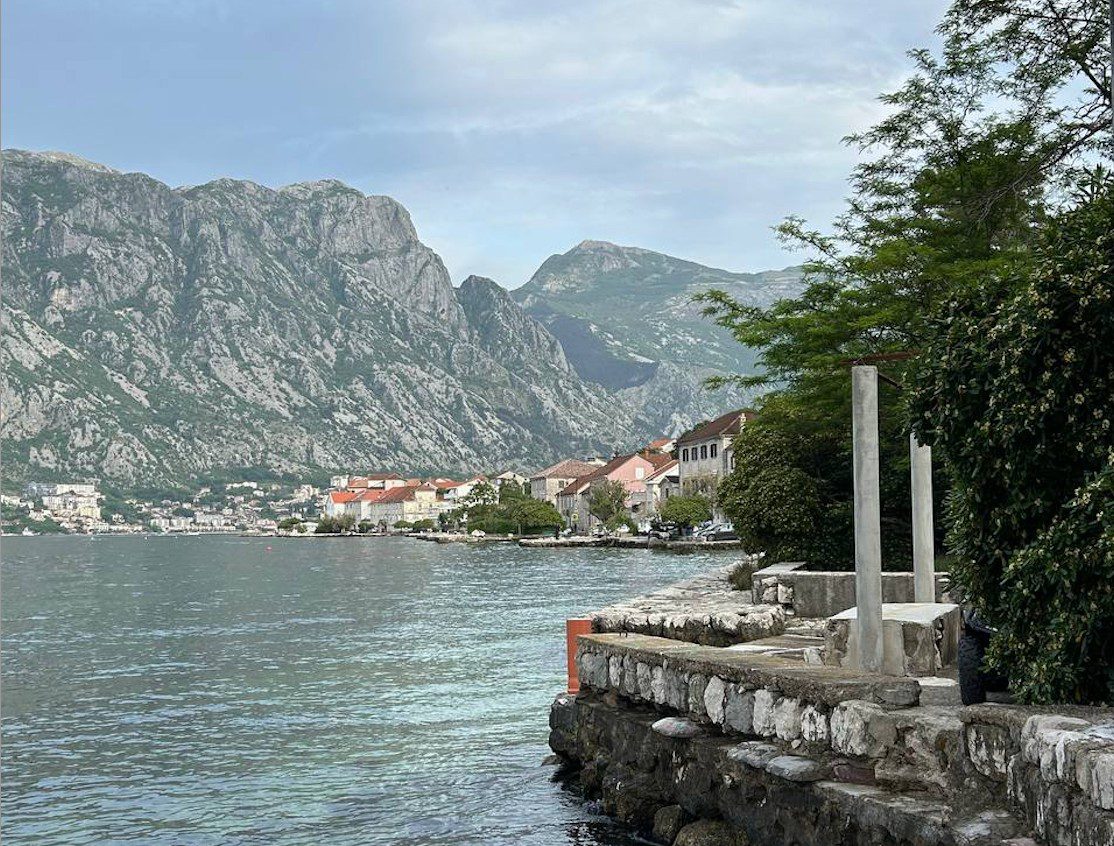
The best time to visit Montenegro depends entirely on what you are after. For beaches without the insanity, aim for June or September. If you want empty trails and perfect hiking weather, May or October are your months. For budget travelers who do not mind the cold, November through March offers incredible value. Here is exactly what each season looks like, with real numbers and honest, practical answers.
Montenegro by Month — Quick Overview
- January: Cold, 10°C (50°F). Very low crowds. Cheapest prices. Best for skiing and budget travel.
- February: Cold, 11°C (52°F). Very low crowds. Cheapest prices. Best for skiing and Kotor’s Carnival.
- March: Mild, 15°C (59°F). Low crowds. Low prices. Best for hiking and sightseeing.
- April: Warm, 19°C (67°F). Low crowds. Low prices. Best for hiking and exploring Kotor’s old town.
- May: Warm, 24°C (76°F). Medium crowds. Medium prices. The sweet spot for almost everything.
- June: Hot, 29°C (84°F). High crowds. High prices. Best for combining beaches with sightseeing.
- July: Very hot, 32°C (90°F). Peak crowds. Peak prices. Best for beach lovers and water sports.
- August: Very hot, 32°C (89°F). Peak crowds. Peak prices. The most crowded month for beaches.
- September: Warm, 27°C (80°F). Medium crowds. Medium prices. The single best month for swimming.
- October: Mild, 21°C (70°F). Low crowds. Low prices. Best for hiking, photography, and peace.
- November: Cool, 16°C (60°F). Very low crowds. Low prices. Best for off-season exploration.
- December: Cold, 11°C (52°F). Very low crowds. Cheap prices. Best for Christmas markets and skiing.
Peak Season (July–August): Crowds, Heat, and High Prices
July and August showcase Montenegro at its most intense. Daytime highs along the coast consistently hit 32°C (around 90°F), and the weather stays dry with almost no rain. The Adriatic Sea warms to a bath-like 25–26°C (77–78°F), making swimming feel like slipping into a heated pool.
But here is what guidebooks rarely tell you. Budva’s beaches fill up by 9 a.m. Kotor’s old town becomes so clogged with cruise ship day-trippers that you shuffle rather than walk. Parking along the coast turns into a nightmare, and even if you find a spot, you will pay premium rates for the privilege.
This season suits certain travelers well. Families who need guaranteed sunshine and do not mind crowds will enjoy it. Beach lovers who want blistering heat and warm seas will get exactly that. First-time visitors who want the full Mediterranean summer experience also fit this profile.
However, the downsides are significant. Accommodation prices essentially double. A hotel room that costs €80 in May jumps to €160 or more in August. Restaurants along the waterfront charge a premium for the view, and the heat can feel oppressive. You will want air conditioning, which adds to your costs.
Despite that, if you crave beach bars, nightlife, and that buzzy summer energy, July and August deliver. Just go in with your eyes wide open.
Shoulder Season (May, June, September, October): The Sweet Spot
This is where most travelers should direct their attention. The shoulder seasons give you the finest balance of good weather, manageable crowds, and fair prices.
May and June
May stands as arguably the single best month to visit Montenegro. Daytime highs hit a comfortable 24°C (76°F), the countryside bursts into lush green, and everything is open without being swamped. The sea remains on the cooler side at 18–20°C, meaning swimming feels refreshing rather than pleasant for most people. By June, the sea warms to 21–23°C and swimming becomes genuinely comfortable, while daytime highs reach 29°C without the brutal July heat.
May is perfect for hiking in Durmitor National Park and rafting the Tara River, since the spring meltwater creates excellent conditions. June lets you combine both: beaches in the morning and sightseeing in the afternoon, all without breaking a sweat.
September and October
September may very well be the single best month for beach lovers. The sea still sits at 23–24°C, essentially matching July temperatures, but the coastal crowds have thinned and prices drop. Highs average a pleasant 27°C. If you want to swim without fighting for a sunbed, September is your month.
October brings cooler highs of 21°C and sea temperatures dropping to 20–21°C. Swimming is still possible for the brave, but this marks the last chance for comfortable dips. Instead, October shines for hiking, with Durmitor and Biogradska Gora national parks exploding into vibrant autumn colour. The crowds are sparse, accommodation is cheap, and coastal towns like Perast and Herceg Novi feel wonderfully peaceful.
Off Season (November–April): Quiet, Cheap, and Surprisingly Good
Winter in Montenegro is not just about everything closing down. A whole different side of the country emerges.
The coast goes quiet, and many beach bars and restaurants shut their doors from November until March or April. But inland, things get interesting. The mountains around Kolašin and Žabljak turn into ski destinations. The reliable snow window runs from mid-January through mid-March, with the season roughly spanning mid-December to mid-April. Day lift tickets at Kolašin cost about €25 for adults, making it some of the cheapest skiing in Europe. February remains a local favourite for snow conditions.
On the coast, Kotor’s old town without the crowds is genuinely magical. You can walk empty cobblestone streets and have restaurants to yourself, at least the ones that choose to stay open. December brings small Christmas markets, while February features Venetian-style Carnival celebrations in Kotor and Tivat, complete with masked balls and parades.
This season appeals to specific travelers. Budget visitors will love the plummeting prices after October. Photographers will find moody coastal shots without tourists in the frame. Skiers will appreciate the cheap slopes. Anyone who actively hates crowds will feel right at home.
A couple of warnings: the bura, an intensely cold and dry northeasterly wind, can slam the coast hard in winter. Some mountain roads stay closed until May because of snow. And many coastal facilities simply do not operate during these months.
Keep in mind that the Easter period often creates a mini-spike, with slightly higher prices and more visitors as Europeans take advantage of the holidays.
Best Time to Visit Montenegro Depending on What You Want
For Beaches and Swimming
June through early October gives you the best window. July and August have the warmest sea at 25–26°C but also the largest crowds. September hits the sweet spot with warm water, fewer people, and lower prices. May is too chilly for most swimmers with sea temperatures around 18–20°C.
For Hiking and Nature
May and October stand out as excellent choices. May offers mild highs around 24°C, blooming wildflowers, and great rafting conditions on the Tara River. October delivers crisp autumn colour and highs of 21°C, ideal for walking. Summer gets too hot for extended hikes, and winter snow closes some higher-altitude trails.
For Sightseeing and History
April through June and September through October are ideal. Kotor and Budva feel less crowded, the weather stays pleasant for wandering old towns, and everything remains open. July and August suffer from overwhelming crowds, while winter sees some attractions close.
For Budget Travelers
November through March offers the cheapest rates, with accommodation hitting rock-bottom prices on the coast. October also provides excellent deals. If you want to save money, avoid July and August entirely.
For Avoiding Crowds
October and May win here, giving you good weather with low crowds. November through April, excluding Christmas and New Year, stays even quieter, but you sacrifice swimming and some coastal amenities.
READ ALSO:
- Is Montenegro Safe to Travel Solo? A Complete Guide for Independent Travelers
- Montenegro Travel Tips: What to Know Before Your First Visit
- Best eSIM for Montenegro in 2026 — Tested & Compared
A Few Things to Know Before You Book
Travel insurance: Montenegro is not in the European Union, so your EHIC card will not work here, not even for Europeans. Medical costs can become significant if you have an accident, especially in the mountains or along the coast. You absolutely need proper travel insurance with medical coverage for Montenegro.
Booking lead time: For peak season in July and August, book your accommodation three to four months ahead. For shoulder season in May, June, September, and October, four to six weeks is usually enough. Off season? A week or two will suffice.
Money: Montenegro uses the Euro. Cards work widely in tourist areas, but smaller establishments and local markets operate with cash only. Always keep some cash on hand.
Frequently Asked Questions
What is the best month to visit Montenegro overall?
May. Everything stays open, the weather sits at a comfortable 24°C, the countryside looks lush and green, crowds remain moderate, and prices have not spiked yet. The only drawback is the sea stays a bit cool for swimming. If that matters most to you, choose September instead.
Is Montenegro good in October?
Yes, but for specific travelers. Hiking becomes excellent with highs around 21°C and spectacular autumn foliage. The sea temperature hovers around 20–21°C, swimmable for the hardy but essentially the last chance of the year. Crowds stay low and prices remain affordable.
Is Montenegro worth visiting in winter?
Yes, if you plan to ski in Kolašin or want a quiet, inexpensive coastal experience. The coast does get quiet with some facilities closed, but Kotor without the crowds feels special. December through February offers the lowest prices of the year.
How hot does Montenegro get in summer?
Coastal highs reach 32°C in July and August, with inland areas growing even hotter. Podgorica often exceeds 35°C. It is a dry heat with low humidity, but it can feel intense. Rain becomes rare during these months.
Is September a good time to visit Montenegro?
Yes, absolutely. Sea temperatures still reach 23–24°C, crowds have thinned, and prices drop. Daytime highs average 27°C, making everything comfortable. September stands out as arguably the best beach month of the entire year.
Whatever month you choose, make sure your travel insurance covers Montenegro. It is not in the EU, and medical costs can run high without coverage. Compare your options and get protected before you go.