

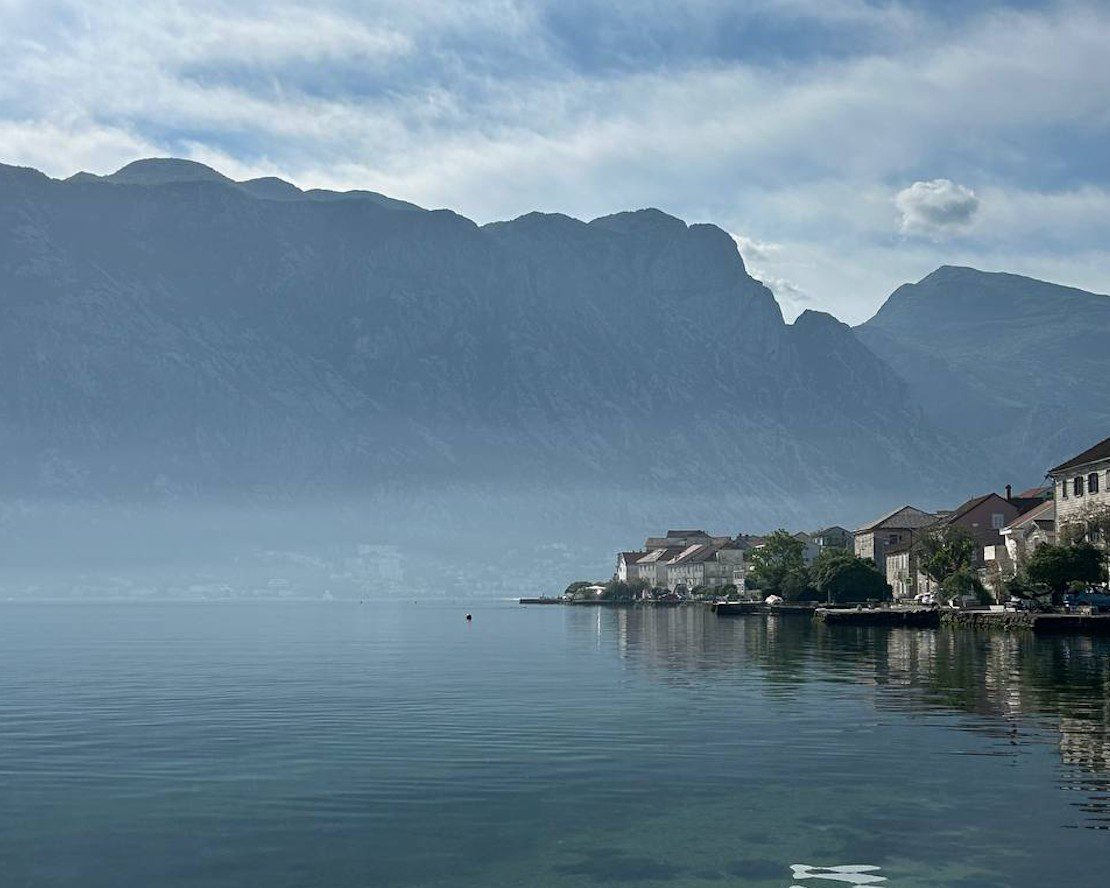
Montenegro gets fewer visitors than neighboring Croatia, which means less detailed travel advice online and more potential for first-timer stumbles. You’re smart to research ahead—because this tiny country has quirks that can catch even experienced travelers off guard. What makes Montenegro different from more tourist-heavy Mediterranean destinations is how dramatically it rewards research: a little planning transforms a frustrating trip into an unforgettable one.
This guide walks you through everything from visas and cash to driving and etiquette—straight, practical advice from someone who’s learned the hard way, so you don’t have to.
Montenegro at a Glance
- Capital: Podgorica
- Currency: Euro (€)—despite not being in the EU
- Language: Montenegrin (Cyrillic and Latin alphabets both used)
- English spoken? Widely in tourist areas, less in rural inland villages
- Visa required? US, UK, EU, Australian citizens: visa-free for 90 days in any 180-day period
- Best time to visit: May–June and September (good weather, fewer crowds)
- Typical trip length: 5–7 days for highlights; 10+ days for slow travel
- Time zone: UTC+1 (summer time UTC+2, April–October)
- Power socket: Type C/F (European standard, 220V)
- Tipping culture: Around 10% in restaurants
- Emergency number: 112 (general European emergency number)
Things to Sort Before You Land in Montenegro
Most Western passport holders—including US, UK, EU, and Australian citizens—can enter Montenegro without a visa for up to 90 days in any 180-day period. Your passport must have been issued within the last 10 years and be valid for at least three months after your planned departure date.
One thing that catches people off guard: tourist registration is mandatory. Within 24 hours of arrival (and every time you change accommodation), you must be registered with the local police. Hotels and apartment hosts usually handle this, but confirm at check-in. Border guards can ask for proof of registration when you leave.
Medical facilities in Montenegro are limited and below Western standards. There’s no reciprocal healthcare agreement—tourists pay for everything, and serious cases often require evacuation to a better-equipped country. Your insurance absolutely must cover medical evacuation.
Montenegro uses the euro, even though it’s not in the EU. Cards are widely accepted in cities and tourist areas, but smaller towns and local markets are cash-only. ATMs are available throughout the country, but fees vary by bank. Bring some cash from home to avoid unfavorable exchange rates at airport ATMs.
Local carriers Telekom and m:tel offer tourist prepaid eSIM plans starting at around €15. Coverage is generally good, though it can be patchy in mountainous areas and national parks. If your phone supports eSIM, it’s the easiest option.
Google Translate won’t help with Montenegrin—the language isn’t available. Instead, download Serbian, Croatian, or Bosnian, as they’re mutually intelligible with Montenegrin. Maps.me with offline maps is useful for areas without cell coverage.
Getting Around Montenegro: What First-Timers Need to Know
Renting a car is hands-down the best way to see Montenegro. Public transport is limited, and the country’s rugged beauty is best explored at your own pace. Roads are scenic but often winding and serpentine. You’ll need an international driving permit alongside your valid home license.
Road conditions demand attention: mountain roads can be narrow and winding—bring motion sickness medication if you’re prone to it. Winter tires are mandatory from November 15 to April 1 on many roads, with fines of €50–150 for non-compliance. Police checkpoints are frequent; your documents should be in order.
Buses connect major tourist towns and cities reliably, with tickets often cash-only. The Busticket4.me website is useful for planning journeys. Trains exist but are slow, unreliable, and lack onboard services. The Belgrade–Bar railway, however, is one of Europe’s most scenic train rides—worth taking for the experience itself.
Hail taxis from the street and you risk being overcharged. Book through your accommodation or a reputable company instead, and confirm the fare is metered. Rideshare apps aren’t widely available.
One honest note that guidebooks tend to skip: buses don’t take you directly to attractions—you’ll need to walk, take a taxi, or book a day trip from the main towns. And the drive from the coast to the mountains (for example, Budva to Durmitor) takes 3–4 hours, not the “quick drive” some guides suggest.
Money in Montenegro: Budget, Costs, and Payment Tips
Budget travelers can get by on €43–71 per day. Here’s what that looks like in practice:
- Hostel dorm bed: €18
- Basic hotel room for two: €50
- Coffee: €1.50
- Breakfast or lunch at a cafe: €5–8
- Mid-range restaurant dinner: €10–15
- Beer: €2–3
- Glass of wine: €3–5
What’s surprisingly cheap: bakeries—burek (savory pastry) costs just a couple of euros. Local markets for fresh produce and cheese are also budget-friendly. Museum entries run €3–5.
What costs more than expected: accommodation in peak season (July–August), especially in Kotor and Budva—book at least a month ahead. Restaurants in the main squares of Old Towns charge three times as much as the same dish one street back.
ATMs are widely available, especially in cities. Use ATMs affiliated with banks to avoid excessive fees; independent machines often charge high commissions. Notify your bank before travel to prevent card blocks.
One money mistake first-timers commonly make: assuming everywhere takes cards. Smaller towns, local markets, bakeries, and bus tickets often require cash. Always carry €20–50 in small bills for daily incidentals.
Prices are based on research as of June 2026 and may vary.
Culture and Etiquette: What to Know Before You Go
Montenegrins are warm and hospitable but formal with strangers. A handshake is standard. When offered rakija (fruit brandy), tradition dictates pouring for the host or person next to you—not for yourself.
Orthodox Christianity is the main religion, with Muslims making up about 20% of the population. When visiting churches or mosques, dress modestly—cover shoulders and knees. Non-Muslims can enter mosques, but remove shoes, turn off phones, and don’t disturb those praying.
Smoking in enclosed public places has been banned since 2019, but enforcement is lax—many establishments still allow it. If smoke bothers you, choose outdoor seating or ask before entering.
It’s illegal to photograph military and police personnel, buildings, vehicles, or equipment. Signs usually indicate where photography is prohibited; when in doubt, don’t shoot.
One cultural misunderstanding tourists commonly make: wearing swimwear in town. Budva explicitly banned walking through the Old Town in swimsuits, with fines up to €200.
What locals appreciate: visitors who try the local language—even a few words go a long way. And those who venture beyond the coast to the mountains, where tourism dollars make a real difference to smaller communities.
Food in Montenegro: What to Try and What to Skip
Must-try dishes:
- Njeguški pršut—dry-cured ham from the Njeguši region, arguably the national dish
- Burek—flaky filo pastry stuffed with meat, cheese, or spinach; a cheap and filling bakery staple
- Black risotto—made with squid ink; a coastal specialty
- Čevapi—grilled minced meat sausages, usually served with flatbread and onions
Local drinks worth knowing: Rakija (fruit brandy, especially plum, pear, or apricot). Vranac is the signature local red wine—worth tasting in the Crmnica wine region around Lake Skadar.
Where to eat cheaply without eating badly: Bakeries are everywhere and cost €2–3 per item. Local markets are cheaper than supermarket chains for produce and cheese.
One food trap for tourists: Restaurants on the main square charge 3x more for the same dish you’ll find one street back. Walk a few meters away from the central tourist zones and prices drop dramatically.
READ ALSO:
- Best Time to Visit Montenegro: Weather, Crowds & Prices by Month
- Is Montenegro Safe to Travel Solo? A Complete Guide for Independent Travelers
- Best eSIM for Montenegro in 2026 — Tested & Compared
Mistakes First-Time Visitors to Montenegro Make
Not checking the cruise ship schedule before visiting Kotor or Budva. On days when cruise ships dock, these towns become overwhelming. Check CruiseMapper in advance and plan your visit for a different day.
Booking accommodation at the last minute in peak season. July and August fill up fast. Book at least a month ahead if you’re traveling in summer.
Assuming public transport will get you to rural attractions. Buses connect main towns, but they don’t take you directly to national parks, monasteries, or hiking trails. You’ll need a car, a taxi, or a day tour.
Only packing for the beach. Montenegro is one of the rainiest countries in Europe—Podgorica is the rainiest capital on the continent. Pack a raincoat and waterproof shoes, especially if you’re heading to the mountains.
Not registering with the police. Tourists must register within 24 hours of arrival and each time they change accommodation. Hotels usually do this, but confirm—and keep proof.
Forgetting to bring cash. Card is widely accepted in cities, but rural areas, local markets, and even some museums are cash-only. You’ll also need cash for tourist registration fees.
Trying to see the whole country in three days. Montenegro is small, but the roads are winding and slow. Three days barely covers the coast; the mountains need their own time. Six days minimum for a decent first pass.
Dressing inappropriately for religious sites. Both churches and mosques require covered shoulders and knees. Being turned away at the door is a wasted journey.
How Long Do You Need in Montenegro?
Minimum days to see the highlights: 5 days (covers the coast and one inland day trip).
Ideal trip length: 7–10 days (allows for coast, a national park, and Lake Skadar at a relaxed pace).
What you can do in different trip lengths:
- 5 days: Kotor (2 nights), Budva (2 nights), one day at Lake Skadar or Ostrog Monastery
- 7 days: Kotor (2 nights), Budva (2 nights), Durmitor or Biogradska Gora national park (2 nights), Lake Skadar (1 night)
- 10 days: Same as 7 days, with slower pacing, winery visits, and deeper exploration of the mountains
Short trip skeleton (5 days): Kotor → Budva → Lake Skadar or Ostrog Monastery.
Ideal trip skeleton (7–10 days): Kotor (2 nights) → Budva (2 nights) → Durmitor or Žabljak (2 nights) → Lake Skadar or Virpazar (1 night).
For a full day-by-day itinerary, see our Montenegro itinerary guide.
Frequently Asked Questions — First-Time Visitors to Montenegro
Is Montenegro easy to travel independently?
Yes—but with caveats. The coast is straightforward, with good bus connections and English widely spoken. The mountains require more planning: a rental car is almost essential, and infrastructure is thinner. Independent travel rewards research; it’s absolutely doable for those who prepare.
How much money do I need for a week in Montenegro?
Budget €300–500 per person for a week on a mid-range budget (accommodation, meals, transport, activities). Budget travelers can do €300, while those wanting hotels and restaurants will spend closer to €500–700.
Do I need to know the local language in Montenegro?
No. English is widely spoken in tourist areas and cities. In rural and northern areas, English drops off significantly. Download Serbian, Croatian, or Bosnian on a translator app as a backup.
Is Montenegro safe for solo female travelers?
Petty crime is common—take standard precautions with your belongings. Sexual assault and drink spiking have been reported; never leave drinks unattended and stay with people you trust. Generally, Montenegro is safe, but stay aware of your surroundings.
Do I need a car in Montenegro, or can I use public transport?
You can manage without a car along the coast—buses connect the main towns. But to see the mountains, national parks, and monasteries, a car is strongly recommended. If you’re short on time, consider day tours from coastal towns instead.
Final Thoughts
Montenegro rewards independent travelers who do their homework. It’s a country of stark contrasts—the buzzing Adriatic coast and the wild, sparsely visited mountains, just a few hours apart. Go slightly off-season (May, June, or September) and you’ll experience it without the cruise-ship crowds that fill Kotor and Budva in high summer.
Most first-timers say the same thing after their trip: “I wish I’d spent more time inland”—so plan your itinerary with that in mind. The coast is beautiful; the mountains are unforgettable.
Ready to start planning? Check out our Montenegro itinerary guide and packing list for the Balkans for more detail.