

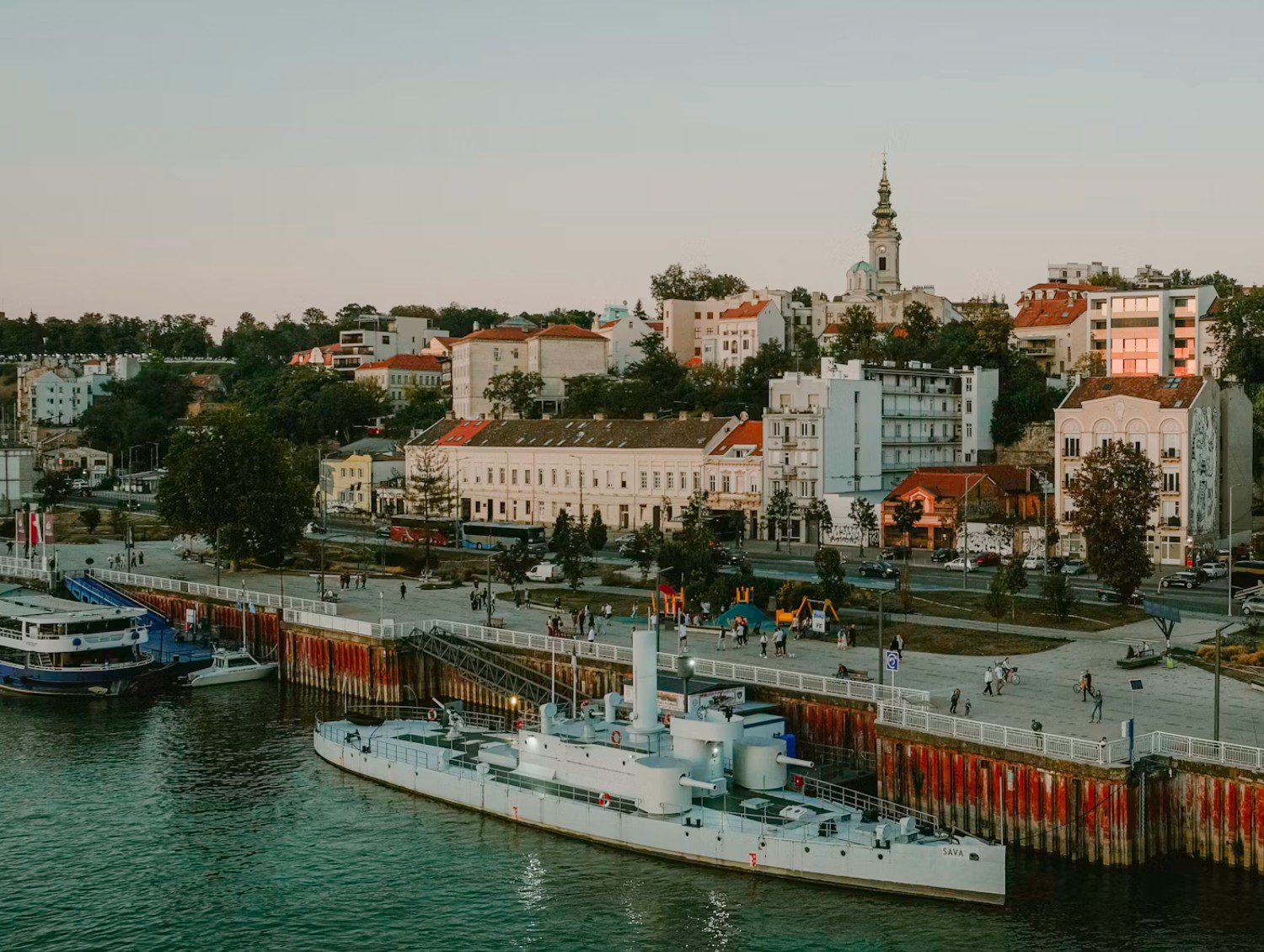
You made a smart choice researching ahead. Serbia is less documented than mainstream European destinations, and a bit of preparation goes a long way. This guide covers the practical tips that locals and experienced travelers wish someone had told them before they arrived.
What makes Serbia different is that it rewards curiosity. It is not a polished tourist machine. It is a country where hospitality is genuine, the coffee ritual is sacred, and the best meals are often found where truck drivers park. Here is what you need to know.
Serbia at a Glance
- Capital: Belgrade
- Currency: Serbian Dinar (RSD)
- Language: Serbian (Cyrillic and Latin alphabets both in use)
- English spoken? Widely spoken by younger generations and in tourism; older locals in villages may not speak it
- Visa required? Visa-free for 90 days for US, UK, EU, and Australian passport holders; 30 days for Chinese citizens
- Best time to visit: Spring (April–June) and autumn (September–October)
- Typical trip length: 5–10 days; a week is reasonable for exploring Belgrade, Novi Sad, and nearby regions
- Time zone: Central European Time (CET) / UTC+1
- Power socket: Type C and F (European standard, 230V)
- Tipping culture: Not mandatory, but 10% is appreciated for good service in restaurants
- Emergency number: Police 192, Fire 193, Medical 194
Things to Sort Before You Land in Serbia
Visa & entry: Most Western passport holders can enter Serbia visa-free for up to 90 days in a 6-month period. Chinese citizens can stay visa-free for 30 days. Make sure your passport is valid for the duration of your stay. Note that Serbia is not in the Schengen Area. If you hold a single-entry Schengen visa and leave to enter Serbia, you cannot use that visa to re-enter the Schengen zone.
You must register with the local police within 24 hours of arrival. Your hotel or host will normally arrange this. Failure to register can result in fines.
Travel insurance: Comprehensive travel insurance is essential. Medical facilities in Serbia are below Western standards, and evacuation can be expensive. Make sure your policy covers adventure activities if you plan to hike or ski.
Currency & cash: The currency is the Serbian Dinar (RSD). Exchange rates at the airport are poor — use a local menjačnica (exchange office) in the city centre instead. Euros are sometimes accepted unofficially, but you will get a better deal paying in dinars. ATMs are widely available in cities, but rural areas still prefer cash. Bring euros or US dollars to exchange locally.
SIM card / connectivity: Prepaid SIM cards from A1, Yettel, or MTS cost just a few euros and include generous data packages. You will need your passport to register the SIM, but it takes only a few minutes at any mobile store. Coverage is generally good in cities but can be patchy in mountainous areas.
Downloads to have offline: Download offline maps (Maps.me or Google Maps) and the Serbian language pack on Google Translate before you arrive. Buses in Serbia do not always appear on Google Maps — ask locals or hostel staff for help.
Getting Around Serbia: What First-Timers Need to Know
Renting a car: Car rental is great for road trips, especially if you want to explore remote areas like Tara National Park or the Uvac Canyon. Road conditions vary considerably — mountain roads can be narrow, and rural routes are often in poor condition. You will need a full driving licence and an international driving permit. Drive with dipped headlights during the day, which is compulsory, and avoid driving at night on unfamiliar roads. Always take photos of the rental car before you drive off.
Public transport: Buses are the most reliable and affordable way to travel between cities. Train connections are improving but slower. The high-speed train between Belgrade and Novi Sad is efficient — download the Srbijavoz app for tickets.
Taxis & rideshare: Avoid unlicensed taxis waiting at tourist hotspots. Always use official taxi apps like CarGo, Yandex, Pink Taxi, or Naxis. Belgrade airport rides have a fixed price — check the official taxi counter inside the arrivals hall before exiting. If you hail a cab on the street, agree on the price before getting in.
Getting between main destinations: Bus connections between Belgrade, Novi Sad, Niš, and Subotica are frequent and efficient. For more remote attractions like Tara National Park or the Drina River House, renting a car is the most realistic option. Watch out for the Ibarska Magistrala road linking Serbia to Montenegro, which has dangerous conditions and overcrowding.
One honest note: Public transport in Belgrade is currently free — this includes buses, trams, and trolleybuses. However, airport shuttles, intercity buses, and some minibuses are not free. Check before boarding. Trains between Subotica and Belgrade can be unreliable; always have a backup plan.
Money in Serbia: Budget, Costs, and Payment Tips
Daily budget breakdown: Serbia is generally good value, especially outside Belgrade. A budget traveler can get by on around 50–70 euros per day, while mid-range travelers should budget 80–120 euros per day.
What is surprisingly cheap: Street food like burek (a meat or cheese pastry) costs around 120–160 RSD (1–1.50 euros). Coffee is 150–300 RSD (1.30–2.50 euros). A beer at a bar is 350–550 RSD (3–5 euros). A grilled meat platter in a local kafana is about 50–80 euros for two people.
What costs more than expected: Flights to Serbia eat up a significant chunk of the budget. Accommodation in Belgrade can be similar to Western European prices, especially during festivals. Airport transfers and intercity buses are affordable.
ATM situation: ATMs are widely available in cities. Avoid ATMs that open directly onto the street to reduce fraud risk. Banks like Raiffeisen and UniCredit are reliable. ATM fees can be high — around 6 euros or more.
Tipping: Tipping is not mandatory but is appreciated for good service. In restaurants, round up the bill or leave 10%. Some restaurants include a service charge in the bill, so check before adding extra.
One money mistake: Never exchange money at the airport — the rates are terrible. Also, avoid accepting euros in change from shops and taxis, as the exchange rate will be unfavourable. Always pay in dinars.
Culture and Etiquette: What to Know Before You Go
Greeting customs: A firm handshake with direct eye contact is the standard greeting. Serbs are warm and hospitable. Refusing coffee or rakija when offered can seem rude — even a small sip shows respect.
Religious sites: Cover your shoulders and knees when entering Orthodox churches and monasteries. Women are expected to cover their heads in some monasteries. Remove hats inside. Avoid taking photos inside churches without permission.
Dining customs that surprise first-timers: Meals are a social ritual, not a rushed affair. Coffee especially is meant to be enjoyed slowly. Do not ask for a doggy bag, as leftovers are not typically packed. Tap water is safe to drink in most places, so refill your bottle.
Photography etiquette: It is illegal to photograph military and police personnel, equipment, or installations. Avoid taking photos inside churches without checking first. Always ask permission before photographing locals.
One cultural misunderstanding: Serbs may seem blunt or direct compared to Western norms. They are not being rude — directness is part of the culture. Nodding means “no” and shaking the head means “yes” in Serbia, which can confuse first-timers.
What locals appreciate: Locals genuinely appreciate visitors who make an effort to learn a few words of Serbian. Try “Hvala” (thank you), “Zdravo” (hello), and “Živeli” (cheers). A little effort can lead to free rakija or a homemade meal.
Food in Serbia: What to Try and What to Skip
4 dishes to try: Ćevapi (grilled sausages with onions and bread), Pljeskavica (Serbian-style burger), Sarma (cabbage rolls with meat), and Ajvar (roasted red pepper spread). For traditional homesick Serbs, nothing beats home-cooked sarma or a good Leskovac grill.
2 local drinks worth knowing: Rakija (fruit brandy — plum is the classic) is the national drink, served as a welcome shot or digestif. Bermet is an aromatic dessert wine from Sremski Karlovci.
Where to eat cheaply without eating badly: Eat where truck drivers park — roadside kafanas (traditional taverns) serve generous portions of authentic local food at low prices. Skadarlija in Belgrade has great atmosphere but higher prices. For budget eats, explore markets like Zeleni Venac for fresh produce and quick snacks.
One food trap: Restaurants in central tourist squares charge three times more for the same dish you will find one street back. In Belgrade, step off Knez Mihailova for better value. In Novi Sad, avoid the immediate square around Freedom Square for dinner.
Mistakes First-Time Visitors to Serbia Make
1. Not booking accommodation in advance for peak season. July and August, especially during the EXIT Festival in Novi Sad, see accommodation prices double. Book 3-4 months ahead if traveling in summer.
2. Taking unlicensed airport taxis. Unlicensed cabs at Belgrade Airport charge three times the official rate. Use the taxi counter inside arrivals or book through CarGo or Yandex Go. The official fixed price is clearly displayed.
3. Expecting trains to run reliably. Serbian trains are improving but can be cancelled without warning, especially on routes like Subotica–Belgrade. Always have a backup bus plan and check schedules in advance.
4. Assuming credit cards work everywhere. Cards are accepted in cities and tourist restaurants, but rural areas, small shops, and taxis require cash. Always carry dinars for street food and market purchases.
5. Not registering with police upon arrival. You must register within 24 hours of arrival. Your hotel or accommodation host will handle this. Failure to register can result in fines or issues when leaving the country.
6. Walking into protests or demonstrations. Protests are common in Belgrade and can turn violent. Avoid large gatherings, monitor local media, and follow police instructions. Foreigners have been detained after attending protests.
7. Not having a backup for transport. If your train is cancelled, have a bus plan ready. If you are driving, check road conditions before setting out. The Ibarska Magistrala road can be dangerous, especially in bad weather.
8. Ignoring landmine warnings in southern Serbia. The area bordering Kosovo still has unexploded landmines. Stay on well-used roads and paths, and do not stray off main routes near the Presevo and Bujanovac districts.
How Long Do You Need in Serbia?
Minimum days to see the highlights: A long weekend (3 days) allows you to dive into Belgrade’s urban scene with a day trip to Novi Sad, a half-hour away by fast train.
Ideal trip length: 5–7 days is the sweet spot for a first visit. A week is enough to explore Belgrade, Novi Sad, Vojvodina province, and the surrounding wine regions. With 10 days, you can add a national park like Tara or a road trip through more remote regions.
What you can realistically do in 3 days vs 7 days:
3-day itinerary: Belgrade → Novi Sad → Subotica. Focus on the capital’s fortress and churches, one day in Novi Sad, and a northern contrast in Subotica.
7-day itinerary: Belgrade (2 days) → Novi Sad (1 day) → Fruška Gora wineries + Sremski Karlovci (1 day) → Tara National Park or western Serbia (2 days) → return to Belgrade (1 day).
For a full day-by-day itinerary, see our Serbia itinerary guide.
Frequently Asked Questions — First-Time Visitors to Serbia
Is Serbia easy to travel independently? Yes, Serbia is easy for independent travelers. English is widely spoken in cities, transport is affordable, and locals are helpful. However, public transport can be unpredictable, and rural areas are best explored by car. Do your research on bus routes before relying on them.
How much money do I need for a week in Serbia? A budget traveler can get by on 350–450 euros per week, excluding flights. This includes hostel accommodation, street food, public transport, and a few attractions. Mid-range budgets are 600–850 euros per week, including hotels and restaurant meals.
Do I need to know the local language in Serbia? No, but learning a few phrases is appreciated. English is widely spoken by younger generations and in tourism. In villages, older hosts may not speak English, but hospitality will bridge any gaps.
Is it safe to travel to Serbia as a solo traveler? Yes, Serbia is safe for solo travelers, including women. Street crime like pickpocketing can occur in crowded areas, but violent crime against tourists is rare. Avoid demonstrations and be cautious near nightclubs late at night. Solo female travelers should plan transport routes with backups.
Is tap water safe to drink in Serbia? Yes, tap water is clean and safe to drink in most of Serbia. Refill your bottle and skip bottled water to save money and the environment. In some mountain villages, locals drink straight from springs.
Serbia rewards independent travelers who do a bit of research, go slightly off-season, and embrace the unpredictability. Most first-timers say it was far more welcoming and interesting than they expected.
 admin
admin