

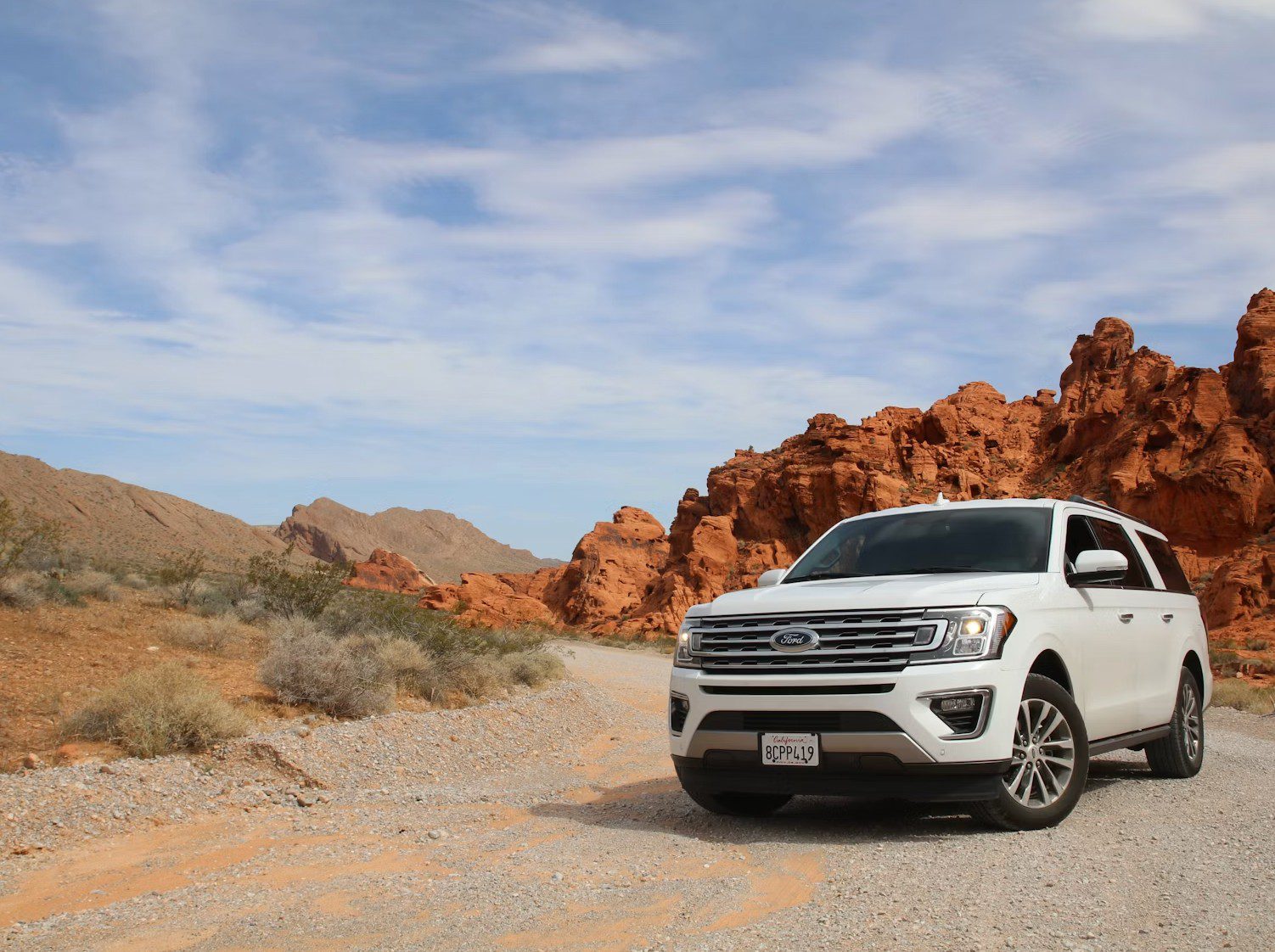
Do you need a car in Armenia? Yes, if you want to see anything beyond Yerevan — public transport doesn’t reach most monasteries, mountain villages, or remote natural sites. Driving here is different from what most tourists expect: roads outside the capital range from well-paved highways to narrow mountain routes with potholes and gravel, while local drivers can be impatient and often flout traffic laws.
This guide covers everything you need to know about renting a car in Armenia — requirements, costs, road conditions, and common mistakes to avoid.
Car Rental in Armenia — Quick Facts
- Minimum age to rent: 21 (must hold a license for at least one year)
- License required: Valid driving license from home country
- International Driving Permit needed? Required for US citizens; recommended for others
- Driving side: Right-hand side
- Average daily rental cost: €25–45/day economy
- Fuel type / cost: Petrol/diesel, ~€1.20–1.40/liter
- Major rental companies present: Enterprise, Alamo, Sixt, local agencies
- Toll roads: No major toll roads
- Parking in cities: Paid zones in Yerevan center; easier elsewhere
Do You Need a Car in Armenia?
Public transport in Armenia covers Yerevan reasonably well, but gaps appear quickly once you leave the capital. Marshrutka (minibus) schedules can be infrequent, and trains don’t reach most tourist destinations. Many of Armenia’s best attractions — remote monasteries, ancient sites, and natural landmarks — are far from Yerevan and inaccessible by public transport.
You’ll need a car to reach places like Tatev Monastery, Noravank, the Dilijan mountains, Lake Sevan’s remote shores, and most villages in the countryside. These areas are essentially inaccessible without your own transport.
If you’re staying only in Yerevan for a few days, you can skip renting a car and join organized day trips instead. Here’s a simple rule of thumb: staying only in the city — skip it. Want to explore monasteries, mountains, or wine regions — rent one.
What You Need to Rent a Car in Armenia
The minimum rental age in Armenia is typically 21, and you must have held a valid driving license for at least one year. Some companies may charge a young-driver fee for those under 25, though this varies by agency.
License requirements depend on your nationality. Armenia is a member of the 1968 Vienna Convention on Road Traffic, meaning licenses from other member countries are accepted. However, if you’re a US citizen, an International Driving Permit is required. For travelers from most European countries, the UK, and other Vienna Convention signatories, your home country license is sufficient. Some rental agencies prefer an IDP regardless, so bringing one is recommended to avoid issues.
A credit card is required for the security deposit hold — expect AMD 200,000–250,000 (approximately €470–590) depending on the vehicle. Maestro cards are not accepted for the deposit. Debit cards are often rejected, which is a common reason rentals get turned down at the counter.
You’ll also need your passport at pickup. International chains may ask for two forms of payment for higher-value vehicles.
How Much Does It Cost to Rent a Car in Armenia?
Economy cars typically cost €25–35 per day, while SUVs and larger vehicles run €50–80 per day. Prices increase during the summer months (July–August) compared to shoulder seasons. September is generally the cheapest month for rental cars in Armenia.
Local rental agencies are cheaper but may be less reliable — some travelers have experienced surprise fees, unclear terms, or being given a different car than booked. International chains cost more but offer greater predictability and support. Hidden costs include airport pickup surcharges, cross-border fees (around €50 for Georgia), and one-way drop fees.
Book 4–6 weeks ahead for summer travel to secure better rates and availability. Prices approximate, based on research as of October 2025.
Car Rental Insurance in Armenia — What’s Actually Covered
Basic rental insurance typically includes Collision Damage Waiver (CDW), Theft Protection (TP), Third Party Liability (TPL), and Personal Accident Insurance (PA), with a deductible that varies by vehicle class. However, tires, windshield, mirrors, roof, undercarriage, and interior damage are often excluded from basic coverage.
Before relying on your credit card or travel insurance, verify they cover rentals in Armenia — many policies don’t. The full coverage upsell at the counter often costs significantly more than pre-booked excess insurance.
What Driving in Armenia Is Actually Like
Main highways are paved and generally in good condition, especially the routes from Yerevan to Gyumri, Dilijan, and Lake Sevan. However, roads outside principal cities can be poor, with potholes, gravel, and uneven surfaces, particularly in mountainous regions. Some rural roads may be unpaved entirely.
Local driving habits are assertive. Drivers commonly flout traffic laws, overtake on narrow roads, and can be impatient — especially in Yerevan. Outside the capital, traffic is generally light and roads feel calmer.
Signage is generally clear in Latin script on main routes but can be inconsistent on secondary roads. Google Maps works well in Armenia, though mobile signal may drop in remote mountain areas. Speed limits are 60 km/h in cities, 90 km/h on highways, and 110 km/h on express roads. Speed cameras are common throughout the country, especially on main highways, and fines are automatically issued.
Police checkpoints are occasional and generally routine. Armenia has a zero-tolerance policy for drinking and driving — you must not consume any alcohol if you plan to drive. Headlights must be on at all times while driving, even during the day. Winter tires are mandatory between November 15 and March 31 for all passenger cars.
Parking and Fuel — Practical Tips
Paid parking zones in Yerevan center are divided into Zone A and Zone B (marked with red lines), with different rates for each. Payment is required via meter or app. Outside Yerevan, parking is usually free and informal — people park wherever it makes sense, as long as they don’t block roads or other cars. In the capital, parking in designated garages is recommended to avoid confusion and potential parking tickets.
Fuel stations are widely available on major roads but sparser in remote mountain regions. Fill up before heading into rural areas. Most stations accept both cash and card, with both self-service and full-service options available. Fuel costs approximately €1.20–1.40 per liter, with a full tank covering roughly 500–600 km depending on the vehicle.
Common Car Rental Mistakes in Armenia
- Not photographing the car before driving off — take detailed photos and video of existing scratches, dents, and interior condition at pickup to avoid disputes over damage charges
- Assuming your credit card covers rental insurance — many policies exclude Armenia; verify before you rely on it
- Relying on a debit card for the deposit — most agencies require a credit card, and debit cards are frequently rejected at pickup
- Booking with a company that doesn’t have a physical airport desk — some agencies claim to be “at the airport” but actually deliver from offsite, which can cause confusion or delays
- Not checking cross-border permissions in advance — driving into Georgia requires prior approval and additional fees; driving to any other neighboring country is prohibited
- Taking a sedan to remote mountain destinations — some locations like Smbataberd Fortress or Trchkan Waterfall require a 4×4 due to rough roads
- Ignoring speed cameras — Armenia has automated speed cameras throughout the country, and fines are sent to your rental company
- Not verifying winter tire requirements — snow tires are mandatory between November 15 and March 31 in mountainous regions
Driving Across Borders From Armenia
Crossing into Georgia is permitted by some rental companies — including Enterprise and Alamo — for an additional fee of approximately €35–50, but you must request permission in advance. You’ll need a valid passport, your driving license, the rental agreement, and a notarized authorization form from the rental company at the border. Driving to any other neighboring country — including Azerbaijan, Turkey, or Iran — is prohibited by most rental agencies.
Frequently Asked Questions
Do I need an International Driving Permit for Armenia?
If you’re a US citizen, yes — an IDP is required. For travelers from most European countries and other Vienna Convention signatories, your regular license is sufficient. Some rental agencies prefer an IDP regardless, so bringing one is recommended to avoid issues.
Is it safe to drive in Armenia?
Yes, but caution is needed. Roads outside major cities can be poor, and local driving habits are assertive with frequent traffic law violations. Mountain roads may be narrow with potholes. Defensive driving is recommended.
Can I rent a car at the airport in Armenia?
Yes, Zvartnots International Airport in Yerevan has rental desks from international chains including Enterprise and Alamo. Enterprise has a 24/7 office inside the arrival hall.
What type of car should I rent for Armenia’s roads?
A sedan is fine for main highways and cities. For remote mountain destinations — especially areas like Dilijan, Tatev, or off-the-beaten-path villages — a 4×4 or SUV with good ground clearance is recommended. Some locations like Trchkan Waterfall require a 4×4 to access.
Can I drive a rental car from Armenia into Georgia?
Yes, with prior approval from your rental company. Enterprise and Alamo allow this for an additional fee of approximately €35–50. You’ll need a notarized authorization form, and your insurance will be valid in both countries. Driving to any other country is prohibited.
Bottom line: rent a car if you’re heading to monasteries, mountains, or wine regions outside Yerevan. Stick to the city if you prefer organized tours and taxis. Whatever you decide, make sure your insurance covers the rental excess — it’s one of the most common unexpected costs.