

Yes, Kyrgyzstan is generally safe for solo travelers — including women. The country ranks higher on the Global Peace Index than the United States and much of South America, and locals are known for their deep-rooted tradition of hospitality. But like anywhere, a few things are worth knowing before you go.
What makes Kyrgyzstan different from more popular tourist spots is its rugged, mountainous character. Over 90% of the country sits above 1,500 meters, and this remoteness creates a unique safety profile. The primary concerns aren’t street crime — they’re logistical: mountain weather, isolated roads, and limited English. The key is knowing what to expect and preparing accordingly, which is exactly what this guide covers.
Kyrgyzstan Safety at a Glance
- Overall crime rate: Low for violent crime. Petty theft is the main concern for tourists.
- Petty theft: Common in crowded bazaars like Osh Bazaar in Bishkek. Keep valuables secure.
- Solo female travel: Generally safe. Travelers rate it 4.2 out of 5, but some caution is advised at night.
- Scams targeting tourists: Taxi overcharging is the most common issue. Use ride-hailing apps instead.
- Natural hazards: Mountain weather can change quickly. Earthquake risk exists in the region.
- Transport safety: Roads can be poor outside cities, with roaming livestock and lack of guardrails.
- Night safety: Safe in Bishkek’s center, but avoid isolated areas and unlit streets after dark.
Is Kyrgyzstan Safe? The Honest Answer
The short answer is yes — Kyrgyzstan is a safe destination for most travelers. Government travel advisories generally advise exercising normal precautions, which is the lowest advisory level, and Bishkek is assessed as a low-threat location for crime.
Violent crime is rare, and travelers are not specifically targeted. There are occasional reports of foreigners getting mugged at night in Bishkek, but these incidents almost always involve alcohol. Residential break-ins can occur in cities, especially in properties left unattended.
The main crime risk is petty theft — pickpocketing in crowded places like markets, particularly Bishkek’s Osh Bazaar, large department stores, and on public transportation. Criminal activity is more prevalent in larger metropolitan areas and at night.
The local attitude toward tourists is overwhelmingly positive. Kyrgyz hospitality, known as konokjoiluk, is deeply embedded in the national character. Strangers genuinely invite travelers in for tea, and locals often step in to help with directions or translation.
One concern is the border region with Tajikistan. The area within approximately 30 kilometers of the border has seen clashes in recent years, so it’s best to avoid this region unless absolutely necessary.
Is Kyrgyzstan Safe for Solo Female Travelers?
This is the question many women ask first, and the honest answer is: yes, very safe. The solo female travel community rates Kyrgyzstan 4.2 out of 5 for safety based on real traveler experiences. Women consistently report feeling secure and welcomed.
Street harassment: Reports vary, but most women describe positive experiences. One traveler noted she felt very safe and people were kind wherever she went. Another described the country as pretty safe and locals as very welcoming. However, some reports mention occasional unwanted attention, particularly at night in Bishkek.
Nightlife safety: Bishkek’s city center is considered safe at night, though some locals advise against walking alone after dark. Avoid unlit streets, isolated areas, and parks after dark. Use ride-hailing apps rather than hailing cabs for late-night returns.
Dress code: Bishkek is modern and relaxed — Western clothing is fine. In mountain villages and southern regions like Osh, the culture is more conservative. Covering shoulders and knees is enough to help you blend in and avoid unwanted attention.
Accommodation safety: Hostels and guesthouses in Bishkek and Osh are generally solo-female-friendly. Many solo women travelers report positive experiences with budget accommodation and meeting other travelers. Look for places with good reviews and a traveler-hub atmosphere where people share tips and arrange transport.
A practical tip most guides miss: use CBT (Community Based Tourism) for yurt stays and guided experiences. This vetted network connects travelers with local families and guides — often Kyrgyz matriarchs who treat guests like family. It’s the safest, most authentic way to experience rural Kyrgyzstan as a solo woman.
Scams and Tourist Traps to Know About
Scams in Kyrgyzstan are relatively uncommon compared to some other destinations. The most frequently reported issues involve overcharging rather than outright fraud:
- Taxi overcharging: Unofficial taxis may charge inflated fares. Always agree on the price before getting in, or better yet, use ride-hailing apps like Yandex Go, Tumar Taxi, or Jorgo — these show the fare upfront and eliminate negotiation.
- Unlicensed drivers at transport hubs: At bus stations and the airport, drivers may approach tourists with inflated prices. Stick to registered taxi companies or apps.
- Pickpocketing in bazaars: Crowded markets like Osh Bazaar and Dordoi Bazaar in Bishkek are prime locations for pickpocketing. Keep valuables secure, use a cross-body bag, and avoid flashing cash.
- Service charge confusion: Many restaurants include a 10-15% service charge on bills, which is required by Kyrgyz law. Check your bill before leaving an additional tip.
Each of these issues is avoidable with basic vigilance — the takeaway is to use official services, confirm prices upfront, and keep your belongings secure in crowded places.
Safest (and Sketchiest) Areas in Kyrgyzstan
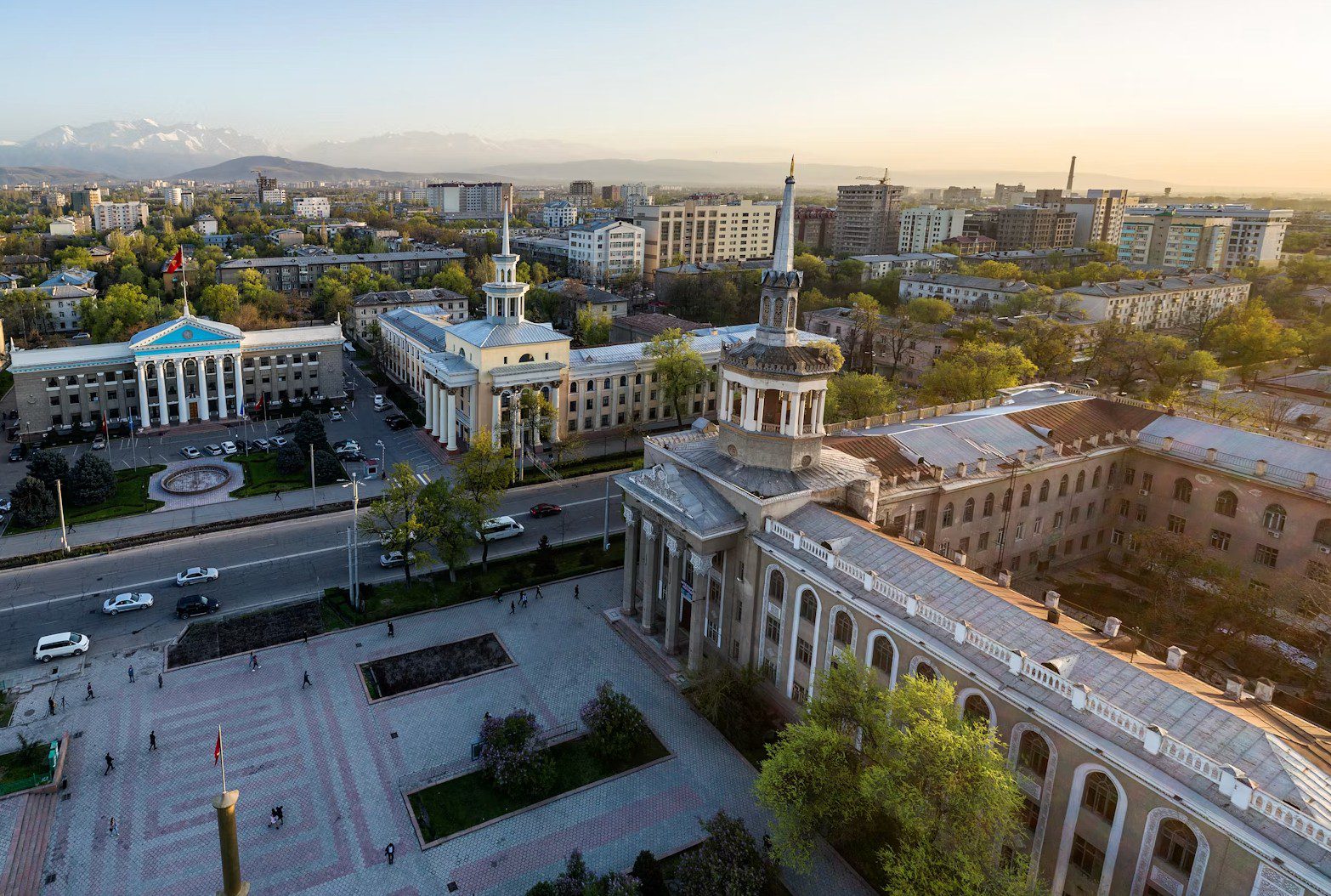
Bishkek: The capital is considered safe, with a low crime rating for a city of its size. The city center and Ala-Too Square areas are well-patrolled. Avoid unlit streets and parks at night. Be cautious in areas outside the modern center, where infrastructure is less developed.
Issyk-Kul Lake: A popular resort destination that’s generally safe for solo travelers. The area gets busy in July and August with local and international tourists. Pickpocketing can occur on crowded beaches. The lake never freezes, even in winter.
Song-Kul Lake: Remote alpine lake at over 3,000 meters. Safe but isolated — phone signal is minimal, and the weather can change rapidly. Summer is the only feasible season to visit.
Osh: The southern capital is warmer and more conservative than Bishkek. It’s generally safe, though the region near the Tajikistan border requires caution. The Osh Bazaar is lively but keep valuables secure.
Karakol: A peaceful town near Issyk-Kul Lake and a base for trekking in the Tian Shan mountains. Safe and popular with solo travelers, particularly those heading into the mountains.
Batken region: This area near the Tajikistan border has a history of skirmishes. Most tourists won’t venture here by accident, but if you plan to visit, exercise increased caution and check current conditions.
Rural vs urban: Crime is lower in rural areas, but English is scarce. Travel between cities by day — roads can be poorly lit and of questionable quality at night. For remote hiking, solo travelers should stick to well-marked trails, let someone know their route, and carry ample supplies. The hiking season is short — primarily August to September.
Solo Travel Safety Tips for Kyrgyzstan
- Get a local SIM at an official shop. Operators like Beeline, Megacom, and O! offer tourist SIMs with data packages. Coverage outside cities can be patchy, so download offline maps.
- Emergency numbers: 102 for police, 103 for medical, 112 for general emergencies.
- Use Yandex Go or Tumar Taxi for rides in Bishkek and Osh. These apps show fares upfront and eliminate negotiation.
- Carry cash in small denominations. ATMs are available in Bishkek and Osh but may be scarce in rural areas. Use ATMs inside banks or hotels to avoid skimming.
- Credit cards are accepted in larger hotels and restaurants in cities, but rural areas are cash-only. The currency is the Kyrgyzstani Som (KGS).
- If renting a car, be aware that mountain roads can be hazardous due to snow, floods, lack of guardrails, and roaming livestock. A 4×4 is recommended, and avoid driving at night.
- Book accommodation in advance during July and August — Issyk-Kul gets busy with local and international tourists.
- Pack layers and a waterproof jacket — mountain weather can swing 20°C in a day. Sturdy hiking boots are essential for trekking.
- Don’t photograph military or police personnel, sites, or equipment — it’s illegal.
- Never hike alone in remote mountain areas without letting someone know your route and carrying proper supplies. Weather can change without warning, and phone signal is unreliable at altitude.
- Carry a water filter or purification tablets — tap water is not recommended for drinking outside major cities.
- Be cautious about discussing politics. The border situation with Tajikistan and relations with neighboring countries are sensitive topics. Avoid loud discussions in public.
What Solo Travelers Say About Kyrgyzstan
Reading through travel forums and reviews, a positive picture emerges. Solo travelers consistently say Kyrgyzstan feels safe and welcoming. One female traveler who spent time in Bishkek noted she didn’t feel pressure or anything. Another described feeling so safe all the time traveling and even felt comfortable hitchhiking — something she wouldn’t do elsewhere.
The hospitality is a recurring theme. Travelers frequently mention being invited for tea by strangers and locals going out of their way to help. One traveler recounted how a local uncle walked them to the correct bus stop to ensure they didn’t get lost.
What catches people off guard is the infrastructure. One traveler described the driving in Bishkek as intense and roads as interesting. Another noted that marshrutkas run when full, not when Google Maps says they should, and that patience is required.
A recurring concern is the language barrier — English is limited outside Bishkek’s tourist spots. Travelers advise learning a few Russian phrases, as this makes a significant difference. Another common theme is the altitude and weather — many travelers underestimate how cold it can get even in summer.
Overall, the sentiment is that Kyrgyzstan is a rewarding, affordable destination for solo travelers who do a bit of homework before arriving. Those who venture beyond the capital are often rewarded with genuine hospitality and unforgettable experiences.
Frequently Asked Questions
Is Kyrgyzstan safe for solo female travelers?
Yes, very safe. The solo female travel community rates Kyrgyzstan 4.2 out of 5 for safety. Most women report positive experiences and feeling welcomed. Stick to well-lit central areas after dark, use taxi apps rather than hailing cabs, and dress modestly in rural areas.
Is Kyrgyzstan safe at night?
Bishkek’s city center is generally safe at night, but avoid unlit streets, isolated areas, and parks after dark. Use ride-hailing apps for late-night returns rather than walking alone. In smaller towns and rural areas, exercise extra caution at night.
What are the biggest safety risks in Kyrgyzstan?
The biggest risks are petty theft (pickpocketing in crowded bazaars), taxi overcharging, and mountain accidents. Violent crime is rare. Do not travel near the border with Tajikistan due to potential clashes.
Is it safe to drive in Kyrgyzstan?
Driving outside cities requires caution. Roads can be poor, with roaming livestock and lack of guardrails. Opt for a 4×4, avoid driving at night, and plan routes carefully. In Bishkek, traffic can be chaotic and aggressive.
Is Kyrgyzstan safe for LGBTQ+ travelers?
Kyrgyzstan is socially conservative, particularly in rural areas and the south. Same-sex relationships are legal, but societal discrimination exists. Avoid public displays of affection and exercise discretion, especially outside Bishkek.
Bottom Line
Kyrgyzstan is a safe and rewarding destination for solo travelers who do their research before arriving. Petty crime and taxi scams exist but are manageable with basic awareness. The real concerns are practical — mountain weather, remote roads, and limited English — rather than violent crime.
This is a country that rewards independent travelers, especially those willing to embrace the outdoors, learn a few Russian phrases, and go with the flow. Most first-timers come away surprised by the genuine hospitality, the incredible landscapes, and how safe they felt. Who will feel comfortable here? Nearly everyone who’s traveled independently before. Who might want extra precautions? Solo women walking alone at night in Bishkek, anyone planning to drive on mountain roads, and those who want to explore remote areas without a guide.
If you’re still planning your trip, check visa requirements for your passport — citizens from over 60 countries can enter visa-free for up to 30 days, and the e-Visa system is straightforward. Book yurt stays through CBT, pack layers regardless of season, and consider travel insurance that covers mountain rescue. The more you prepare, the smoother your trip will go.
 admin
admin