

Most people need 7 to 10 days to see Armenia’s highlights comfortably. Here’s how to decide based on what you want to see.
The country is small, but the terrain is mountainous — a 150-kilometer drive can take 3.5 hours on winding roads, so travel distances are deceptive. This guide breaks down exactly what you can realistically fit into different trip lengths so you can plan a stay that matches your travel style.
How Many Days in Armenia — Quick Answer
- Absolute minimum: 3 days — Covers Yerevan + one day trip to Garni and Geghard
- Recommended: 7 days — Covers Yerevan, Lake Sevan, Dilijan, and the wine region
- If you have time: 10 days — Adds Tatev Monastery and southern Armenia
- With extended exploration: 12–14 days — Covers all regions including Gyumri and deep south
3 Days in Armenia — The Bare Minimum
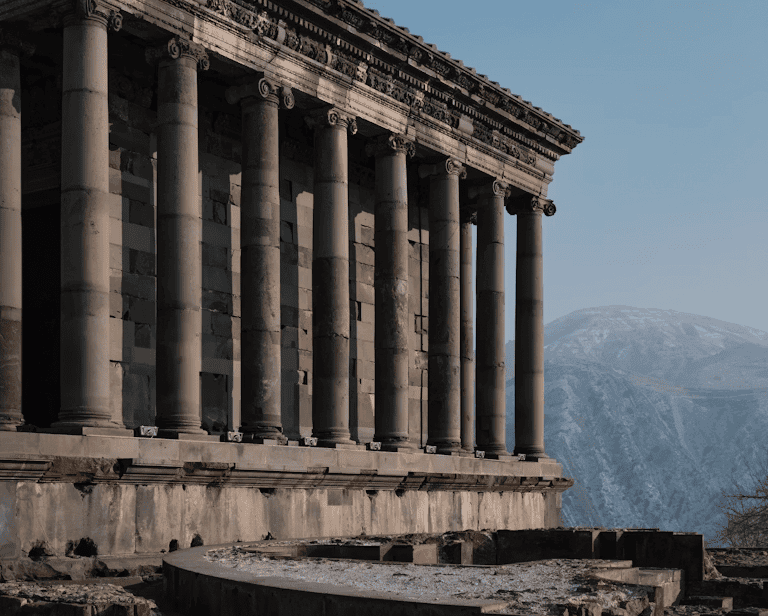
Three days works if you’re on a tight schedule or passing through as part of a Georgia or Turkey trip. You can realistically see Yerevan and take one day trip to Garni Temple and Geghard Monastery in this timeframe, but you’ll miss Lake Sevan and everything else outside the capital region.
This length suits travelers who want a city-focused introduction to Armenia’s history and culture. However, be honest with yourself — 3 days is genuinely not enough to experience the country’s full variety. You’ll miss the stunning mountain scenery and the slower rhythm of rural life that makes Armenia special.
Skeleton itinerary for 3 days:
- Day 1: Arrive in Yerevan, visit Republic Square and the Cascade Complex, explore Northern Avenue
- Day 2: Day trip to Garni Temple, Symphony of Stones, and Geghard Monastery
- Day 3: Visit the Armenian Genocide Museum at Tsitsernakaberd, explore the Vernissage market, depart
7 Days in Armenia — The Sweet Spot
Seven days is the recommended length because it gives you time for Yerevan, one northern region, and the wine country without rushing. This is the classic loop that covers Armenia’s geographic and cultural diversity without burnout.
With a week, you can comfortably split your time: 3 days in Yerevan, 1 day at Lake Sevan, 1 day in Dilijan, and 2 days for the Khor Virap-Noravank-Areni wine route. What makes 7 days better than fewer is the ability to overnight outside the capital and actually experience the countryside rather than just doing day trips.
Skeleton itinerary for 7 days:
- Day 1: Arrive in Yerevan, settle in, evening walk at Republic Square, see the singing fountains
- Day 2: Yerevan city tour — Cascade, Tsitsernakaberd Genocide Memorial, Vernissage market
- Day 3: Drive south to Khor Virap Monastery for Mount Ararat views, continue to Noravank Monastery, stop for wine tasting in Areni
- Day 4: Visit Garni Temple and Geghard Monastery, return to Yerevan
- Day 5: Drive to Lake Sevan, visit Sevanavank Monastery, enjoy fresh fish for lunch, continue to Dilijan
- Day 6: Explore Dilijan National Park, visit Haghartsin Monastery, return to Yerevan
- Day 7: Morning in Yerevan, souvenir shopping, depart
10+ Days — If You Want to Go Deeper
Longer stays unlock experiences like the Wings of Tatev cable car, the cave villages of Khndzoresk, the spa town of Jermuk, and the cultural capital of Gyumri. These places reward extra time — the journey to Tatev alone is a full day from Yerevan, and the deep south requires dedicated days for exploration.
Ten-plus days works well if you enjoy hiking, photography, or slow travel. The extended timeframe suits trekkers who want to explore the Dilijan and Lori regions, culture lovers who want to experience Gyumri’s architecture, and those combining Armenia with neighboring Georgia.
If you have 10–12 days, you can add the southern Syunik region with Tatev Monastery, visit the Debed Canyon’s UNESCO monasteries of Haghpat and Sanahin, and spend a night in Goris to explore the cave dwellings of Khndzoresk.
What Affects How Long You Should Stay in Armenia
Armenia rewards slow travel — the country is small enough to cover in a week, but the mountainous terrain and winding roads make travel times longer than expected. A 150-kilometer drive can take 3.5 hours, which affects how much ground you can cover in a day.
Distances are deceptive. The drive from Yerevan to Tatev is about 250 kilometers but takes around 5 to 6 hours through mountain passes. What looks like a short hop on a map can consume an entire day.
Armenia is commonly combined with Georgia for a Caucasus loop. Tbilisi to Yerevan is about a 4 to 5-hour drive or an overnight train. If you’re adding Georgia to your itinerary, plan at least 3 to 4 extra days for Tbilisi and other Georgian highlights. The classic Georgia-Armenia loop typically requires a minimum of 10 to 12 days.
Seasonality matters significantly. Late spring (May to June) and early autumn (September to October) are the best times for travel — mild temperatures and clear skies. Summers are hot, especially in Yerevan where temperatures regularly exceed 30°C, while winters bring heavy snow that can close mountain roads.
Travel style determines your ideal length. City-focused travelers can manage with 4 to 5 days in Yerevan and day trips, but hikers and nature travelers need 7 to 10 days to properly explore the national parks and mountain regions.
Mistakes People Make When Planning Time in Armenia
Underestimating drive times is the most common error. The road from Yerevan to Tatev looks manageable on a map but takes 5 to 6 hours due to winding mountain passes. Packing too much into each day leads to spending more time in transit than at the actual sites.
Spending too many days in Yerevan and running out of time for the countryside is another frequent misstep. The capital is interesting, but Armenia’s real magic lies in its monasteries and mountain landscapes. Don’t let city exploration eat into your rural time.
Trying to see both the northern Dilijan region and the southern Tatev area in fewer than 7 days stretches your time too thin. These regions are on opposite sides of the country and require dedicated travel days to reach each.
Visiting during winter without planning for road closures is another common mistake. Mountain passes can close due to snow, making high-altitude destinations like Lake Sevan or Tatev inaccessible without proper winter vehicles.
Not accounting for the mid-afternoon heat when visiting in July and August. Yerevan temperatures can exceed 40°C, making sightseeing in the middle of the day uncomfortable. Plan outdoor activities for early morning or evening.
Frequently Asked Questions
Is 3 days enough for Armenia?
Three days covers Yerevan and one day trip to Garni and Geghard. You’ll miss Lake Sevan, Dilijan, and the wine country entirely. It works if you’re passing through but isn’t enough for a proper visit.
How long do most tourists spend in Armenia?
Most visitors spend 7 to 10 days, with the majority opting for a week to split time between Yerevan, Lake Sevan, Dilijan, and the wine region.
Can I see Armenia in a weekend?
A weekend gives you one full day in Yerevan and one day trip to Garni and Geghard. You’ll see the capital’s highlights but nothing beyond. Save it for a longer trip.
How many days do I need for Armenia and Georgia together?
Plan 10 to 12 days minimum — 5 to 7 for Armenia and 5 for Georgia including Tbilisi and Kazbegi. Add another 2 days if you want to visit the wineries in Kakheti or the monasteries of Mtskheta.
Is 5 days enough for Armenia?
Five days lets you see Yerevan, Lake Sevan, and Dilijan, but you’ll miss the south of the country entirely. It works for a highlights trip but doesn’t cover Armenia’s full geographic range.
However long you decide to stay, booking accommodation in advance is especially important during the peak summer season and during major festivals like Vardavar in July. The good news is that Armenia rewards whatever time you have — just be realistic about what fits.