

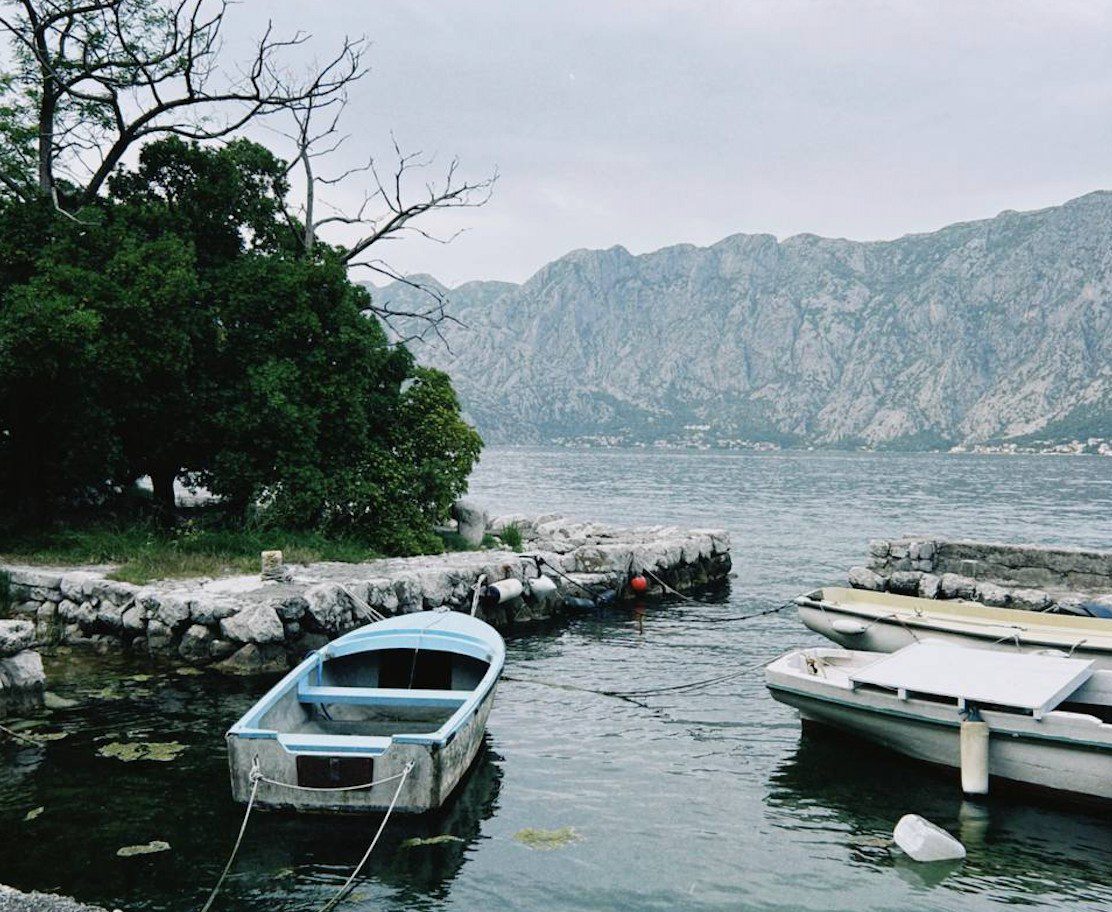
Yes, Montenegro is generally a suitable destination for solo travel. As of August 2026, the U.S. State Department lists Montenegro at Level 1: Exercise Normal Precautions, its lowest travel-advisory level.
That does not mean there are no risks. For most visitors, the practical concerns are petty theft in crowded tourist areas, taxi overcharging, road safety, nightlife precautions and the risks of hiking or driving in Montenegro’s mountainous interior. Violent crime against visitors is not the main everyday concern, although incidents connected with organized criminal groups can occasionally affect bystanders.
For solo female travelers, Montenegro does not require a completely different travel strategy, but some additional precautions around nightlife, taxis, isolated areas and accommodation are sensible. Australian government travel advice also warns that sexual assault and drink spiking can happen to tourists.
The bigger distinction is between traveling alone and doing potentially risky activities alone. Exploring Kotor or taking an intercity bus solo is very different from setting out alone on a remote Durmitor hiking route.
Montenegro Solo Travel Safety: Quick Answer
- Overall advisory: the U.S. State Department currently says to exercise normal precautions.
- Petty crime: watch bags and phones in tourist areas, on beaches, at airports and on public transport.
- Violent crime: not usually directed at foreign travelers, but violence between organized criminal groups can occasionally affect people nearby.
- Solo female travel: normal independent travel is possible, but take extra care with drinks, late-night transport and isolated places.
- Taxis: use officially licensed taxis and check the fare or price per kilometer before leaving.
- Driving: mountain roads, summer congestion and local driving behavior deserve more attention than crime for many road trippers.
- Hiking: do not treat remote mountain hiking as an ordinary solo sightseeing activity. Weather changes quickly and hikers have become lost after leaving marked trails.
- Emergency number: 112 works for general emergencies.
What Do Official Travel Advisories Say About Montenegro?
The current U.S. State Department advisory places Montenegro at Level 1: Exercise Normal Precautions.
That is a useful indicator, but it should not be translated into claims such as “Montenegro is one of the safest countries in Europe.” Travel-advisory levels do not rank countries against one another.
The UK Foreign, Commonwealth & Development Office currently advises travelers to take ordinary precautions against street crime, particularly pickpocketing in tourist hotspots, beaches, airports and public transport. It also notes that violence between organized criminal groups can occasionally affect other people nearby.
Australian travel advice similarly recommends normal safety precautions but highlights petty crime, card fraud, drink spiking, sexual assault, demonstrations and occasional violent incidents.
In practical terms, most solo travelers do not need to organize a Montenegro trip around fear of violent crime. You do need normal city awareness plus additional preparation if your itinerary involves nightlife, driving or remote outdoor activities.
Petty Crime: The Most Relevant Everyday Risk
Petty theft is a more realistic concern for visitors than serious violent crime.
Current UK advice specifically recommends watching for pickpockets in tourist hotspots, on beaches, at airports and on public transport. Crowded summer destinations naturally create more opportunities for opportunistic theft.
For a solo traveler, the simplest precautions are:
- Keep your phone and wallet in a secure pocket or zipped bag in crowds.
- Do not leave a bag unattended on a beach while swimming.
- Keep your passport and most of your cash somewhere secure at your accommodation when practical, while still complying with local ID requirements.
- Do not leave luggage or valuables visible inside a parked rental car.
- Use ATMs attached to or inside banks when possible and check the machine for signs of tampering.
- Keep your payment card in sight when paying in restaurants and shops.
None of these precautions are particularly unusual for southern Europe or the Balkans, but traveling alone means there is nobody else watching your belongings while you buy a ticket, swim or use a restroom.
Is Montenegro Safe for Solo Female Travelers?
Montenegro can work well for solo female travel, but it is better to base that conclusion on current official safety information than on claims that “women always feel safe here.”
Australian government travel advice warns that sexual assault, assault, robbery and drink spiking can happen to tourists in Montenegro. Its advice is to stay with people you trust in nightlife settings and taxis and not leave drinks unattended.
The UK also recommends avoiding isolated areas at night, particularly when walking alone.
Useful precautions for women traveling alone include:
- Use licensed taxis rather than accepting an informal ride.
- If using a taxi app, check that the vehicle and driver match the booking.
- Keep control of your drink in bars and clubs and do not accept an open drink from someone you do not know.
- Choose accommodation with recent reviews and a location that does not require a long isolated walk after dark.
- Send accommodation details or your live location to someone you trust when useful.
- Keep enough money and mobile data to arrange alternative transport or accommodation.
- Avoid isolated beaches, trails and poorly lit roads alone late at night.
You do not need to avoid socializing simply because you are traveling alone. The goal is to retain control over your transport, drinks, phone and accommodation rather than relying entirely on someone you have just met.
Nightlife Safety
Budva and other coastal destinations have a much busier nightlife scene during summer. If you go out alone, decide how you are getting back before you start drinking.
Do not leave food or drinks unattended. If you suddenly feel much more intoxicated or unwell than expected, tell staff or someone you trust, move somewhere safe and seek medical help if necessary.
For solo travel, a little planning here matters more than trying to identify supposedly “dangerous neighborhoods” that are not identified as such by current official advisories.
Organized Crime: Should Tourists Be Worried?
Montenegro does have organized criminal groups, and current UK and Australian travel advice acknowledge that targeted violence can occur.
This should be separated from ordinary tourist risk.
The U.S. State Department says violent crime is rare. Australian advice says serious crime is usually associated with organized crime and is not often directed at foreigners. The UK warns that people close to an incident can still be affected.
The practical response is not to change your entire itinerary. Stay away from confrontations or suspicious incidents, leave an area if something appears wrong and follow instructions from local authorities.
There is little value in trying to identify individual bars, streets or neighborhoods as unsafe without reliable current evidence.
Protests and Political Demonstrations
Demonstrations and political gatherings take place periodically in Montenegro.
They are often peaceful but can cause road closures and transport disruption, and official travel advisories recommend avoiding demonstrations and large political gatherings.
This is particularly relevant if you are driving between cities because a road closure can have a disproportionate effect in a small mountainous country where alternative routes may be limited.
If a demonstration is taking place near you, avoid the immediate area and check local information before continuing your journey.
Is Public Transport Safe in Montenegro?
Buses and trains are widely used by travelers, and the main personal-security advice is to watch your belongings, particularly in stations and crowded vehicles.
The bigger difficulty with public transport is often practicality rather than personal safety. Connections can be less frequent outside the main tourist routes, and a journey that looks short on a map may involve a transfer or long wait.
For a solo traveler, this matters when arriving after dark. Check your final connection before leaving rather than assuming another bus will be available late in the evening.
Keep valuables with you rather than putting your passport, money or electronics into luggage that will be stored out of sight.
Taxi Safety in Montenegro
Current UK advice recommends using officially licensed taxis. A licensed taxi should have a taxi sign on the roof and company information displayed on the vehicle.
Overcharging is a more realistic taxi problem for tourists than violent crime.
Before the journey:
- Check the price per kilometer or agree on the total fare.
- Use a licensed taxi or established taxi-booking service.
- Do not get into an unmarked vehicle simply because someone approaches you at a bus station or airport.
- At Podgorica Airport, use a taxi authorized to collect passengers from the airport or confirm that a prebooked driver is permitted to pick you up there.
If you are traveling alone at night, booking rather than hailing a random car also gives you a record of the company or journey.
Driving in Montenegro: A Bigger Risk Than Many Travelers Expect
If you rent a car, road safety deserves serious attention.
Current UK guidance describes Montenegro’s roads as generally fair but says conditions are worse in rural areas, particularly after bad weather and in winter. The two-lane Morača Canyon road can be dangerous during poor conditions and congestion.
The U.S. State Department also warns about aggressive driving, overtaking on winding roads and heavy summer traffic on the coast.
For a solo road trip:
- Allow more time than the distance on Google Maps might suggest.
- Avoid rushing because you are trying to reach the next hotel before check-in closes.
- Expect significant summer traffic along the coast and at border crossings.
- Be cautious on narrow mountain roads and blind bends.
- Do not assume another driver will stop just because you have right of way.
- Wear a seat belt and follow local speed limits.
- Check weather and road conditions before driving through mountain areas.
Traffic can also be challenging for pedestrians. UK advice warns that drivers do not always stop at crossings even when required to do so, so look carefully before stepping into the road.
Solo Hiking in Montenegro: Treat It Differently From Solo Travel
Montenegro’s mountains are where the phrase “solo travel” needs an important qualification.
Traveling around the country alone does not mean every mountain activity should also be done alone.
The UK travel advisory reports that hikers have become lost after leaving marked paths. Australian guidance says trails are not always clearly marked and weather can change quickly even during summer.
If you plan to hike around Durmitor, Prokletije or another remote mountain area:
- Stay on marked routes.
- Check the current weather before leaving.
- Carry enough water, food and appropriate clothing.
- Take a fully charged phone and, where useful, an offline map.
- Tell someone your route and expected return time.
- Do not underestimate elevation gain or distance.
- Consider a guide or group for remote or technically difficult routes.
If you get into trouble in the mountains, call 112.
For a solo traveler who wants mountain scenery without the additional risk of a remote hike alone, joining a small-group excursion can be a sensible trade-off.
Swimming, Rafting and Adventure Activities
The Adriatic coast is a major part of most Montenegro trips, but water safety still requires attention.
Current UK advice recommends following beach flags and lifeguard instructions and watching for boats and other watercraft, particularly during summer. Use designated swimming areas where available.
For rafting, canyoning, paragliding, jet skis or quad bikes, check both the operator and your insurance policy.
A cheap travel-insurance policy may exclude the exact activity you are planning. Make sure your coverage includes the relevant adventure sport and, for mountain trips, medical evacuation or rescue where appropriate.
Wildfires and Weather
Wildfires are another seasonal risk worth knowing about, particularly if you are driving or hiking.
The UK currently identifies April through October as the main wildfire-risk period in Montenegro. Fires can cause road closures and rapidly change conditions in rural areas.
If you encounter a wildfire, call 112 and follow instructions from local authorities rather than attempting to drive through an affected area.
Winter and spring can bring a different problem: heavy rain and melting snow may contribute to flooding, while mountain roads can be affected by snow and ice.
This is one reason the safest transport choice can change depending on when you travel. Our guide to the best time to visit Montenegro explains the practical differences between seasons.
Health and Medical Care
Medical care is available in Montenegro, but the level of facilities varies.
The U.S. State Department says adequate health facilities are available in Podgorica and other cities, while care in rural areas may be more limited. Serious illness or injury may require medical evacuation.
Travel insurance should therefore cover:
- emergency medical treatment;
- the destinations in your itinerary;
- medical evacuation when appropriate;
- hiking, rafting or other adventure activities you actually plan to do.
Do not assume a standard policy automatically covers high-altitude hiking, rafting or canyoning.
Registration Rules for Foreign Visitors
Montenegro has residence-registration requirements for foreign visitors, but the responsibility depends on where you stay.
If you use a registered hotel or other accommodation provider, the provider is responsible for registering your stay.
If you are not using an accommodation provider, Montenegro’s Ministry of the Interior says you must register your residence yourself within 24 hours of arriving at the place where you are staying.
If you move to another place in Montenegro and stay there for more than 24 hours, registration requirements can apply again.
This is particularly relevant to solo travelers staying with friends, in informal private accommodation or in other arrangements where there is no hotel reception handling the process.
Ask your accommodation whether registration has been completed rather than assuming it happened automatically.
Local Laws Worth Knowing
A few rules are particularly useful for independent travelers.
- You should carry a valid form of identification. Current UK guidance says police can fine you if you cannot produce ID.
- Penalties for illegal drugs, including cannabis, are severe.
- Photographing police or military installations, personnel or vehicles can lead to arrest or prosecution.
- Traffic laws and drink-driving limits are stricter than some visitors expect.
Rules can change, so check official travel advice before your trip rather than relying on an old travel blog for legal information.
Is Kotor Safe for Solo Travelers?
Kotor is a practical base for traveling alone, but during busy periods the old town and surrounding tourist areas can become crowded.
The main precautions are straightforward: keep your belongings secure in crowds, plan transport back to your accommodation at night and take extra care if hiking above Kotor in hot weather.
If you are visiting in peak season, early mornings and evenings can also be easier for sightseeing simply because there are fewer day visitors in the old town.
Is Budva Safe for Solo Travelers?
For a solo traveler, Budva’s main additional consideration is nightlife.
During summer, bars, clubs and beaches attract large numbers of visitors. Keep control of your drinks and belongings, know how you are getting home and use licensed transport.
If nightlife is not part of your trip, the basic precautions are similar to other tourist destinations on the Montenegrin coast.
Is Durmitor Safe for Solo Travelers?
Traveling alone to Žabljak or visiting Durmitor National Park is different from hiking remote routes alone.
Easy, popular walks in good weather involve a different level of risk from high-elevation or isolated routes. For more serious hiking, follow current park and weather advice, stay on marked trails and consider joining another traveler, group or guide.
Do not rely solely on mobile reception for navigation or emergency planning.
Mobile Data Is a Safety Tool for Solo Travel
Having working mobile data is particularly useful when traveling alone. It lets you check transport, call accommodation, use navigation, order a taxi and access current weather or emergency information without searching for Wi-Fi.
If you want connectivity working from arrival, compare current options in our Montenegro eSIM guide.
For money, transport, entry logistics and other practical planning, see our Montenegro travel tips.
Emergency Numbers in Montenegro
Save the main numbers before traveling:
- 112 — general emergency number.
- 122 — police.
- 123 — fire and rescue.
- 124 — ambulance.
If you are hiking or otherwise outside an urban area, giving rescuers an accurate location can be as important as making the call. Keep location services available and know the name of your trail, road or nearest landmark.
Frequently Asked Questions
Is Montenegro safe to travel alone?
Generally, yes. The U.S. State Department currently places Montenegro at Level 1: Exercise Normal Precautions. Solo travelers should still take normal precautions against petty theft and pay particular attention to driving, nightlife and outdoor activities.
Is Montenegro safe for solo female travelers?
Montenegro can be suitable for solo female travel, but women traveling alone should take standard precautions around nightlife, taxis and isolated areas. Australian government advice warns that drink spiking and sexual assault can occur, so keep control of drinks and arrange reliable transport at night.
Is it safe to walk alone at night in Montenegro?
Use the same judgment you would elsewhere. Current UK travel advice specifically recommends avoiding isolated areas at night, especially when walking alone. In busy central areas, the practical concerns are more likely to involve valuables and transport than a need to avoid entire neighborhoods.
Is public transport safe for solo travelers in Montenegro?
Buses and trains are commonly used, but keep valuables with you and pay attention to bags in stations and crowded vehicles. Check schedules carefully if your journey finishes late because services can be limited on some routes.
Are taxis safe in Montenegro?
Use officially licensed taxis and check the rate or agree on the fare before traveling. Tourist overcharging can occur. Avoid informal unmarked vehicles, particularly at airports and transport hubs.
Is driving in Montenegro safe?
Driving is manageable for experienced drivers, but mountain roads, local driving behavior and heavy summer traffic require attention. Current UK advice specifically highlights difficult conditions on rural roads and the Morača Canyon route during congestion or bad weather.
Is it safe to hike alone in Durmitor?
Remote solo hiking deserves more caution than ordinary solo sightseeing. Official travel advice warns that hikers have become lost after leaving marked trails and that mountain weather can change rapidly. For demanding or isolated routes, consider going with another person or hiring a guide.
What number should I call in an emergency in Montenegro?
Call 112 for general emergencies. You can also call 122 for police, 123 for fire and rescue, and 124 for an ambulance.
Bottom Line: Is Montenegro Safe for Solo Travel?
Montenegro is generally a practical destination for independent travelers, and current official advice does not call for heightened precautions beyond normal travel awareness.
The risks are also fairly easy to separate.
In towns and coastal resorts, focus on your belongings, licensed transport and sensible nightlife precautions. If you rent a car, take road conditions and local driving seriously. If you head into the mountains, treat hiking as an outdoor-safety question rather than assuming that because Montenegro is suitable for solo travel, every trail is suitable for hiking alone.
Solo female travelers can use the same overall approach with additional care around drinks, nighttime transport and isolated areas.
You do not need to plan a Montenegro trip around worst-case scenarios. You do need working mobile data, a backup transport plan, appropriate insurance and realistic judgment about activities that become more complicated when nobody else is traveling with you.
Safety information and official travel advisories were checked in August 2026. Travel conditions and official guidance can change, so review the latest government travel advice shortly before departure.
 admin
admin