

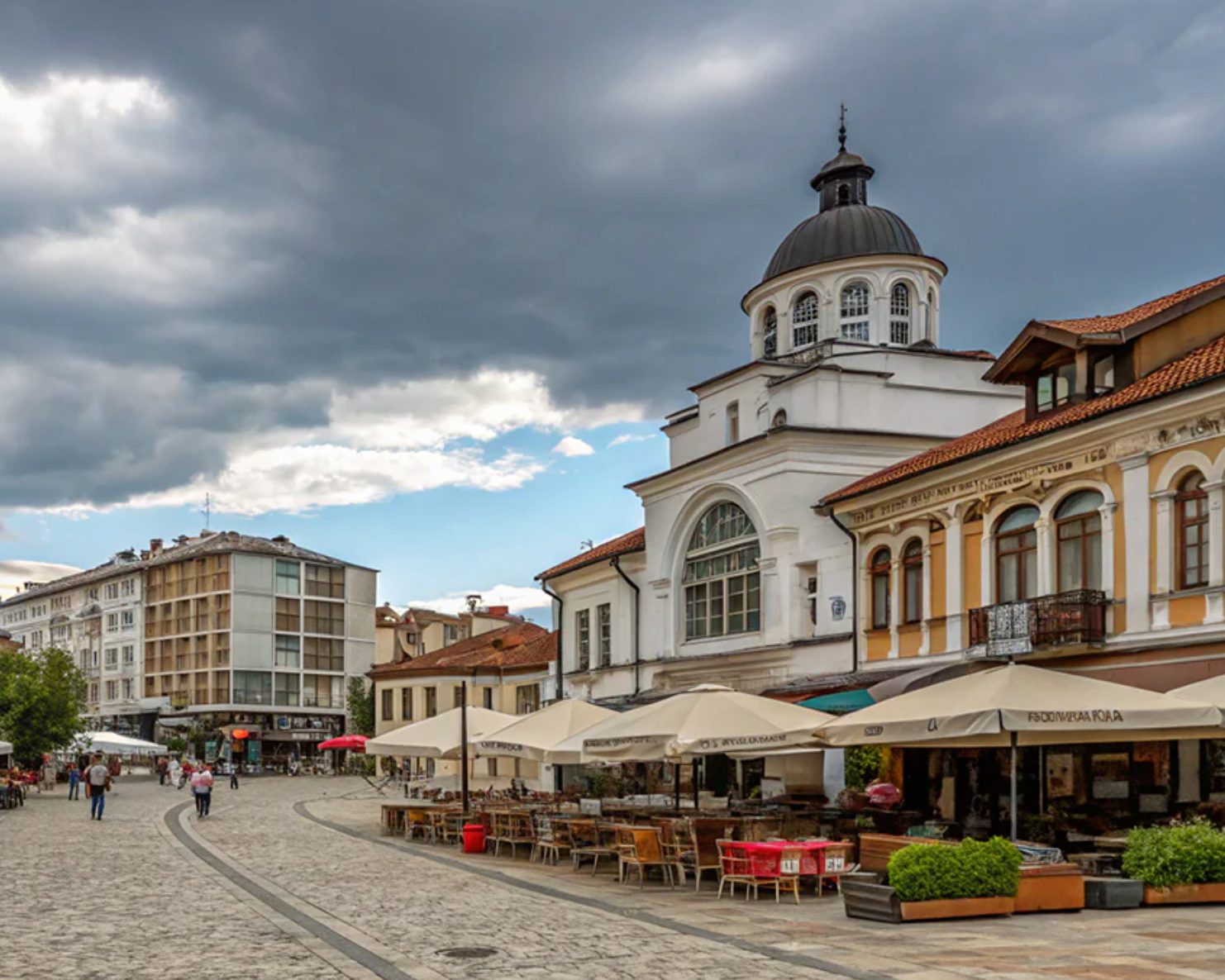
Yes, Bulgaria is generally a safe destination for solo travelers, including women traveling alone. The U.S. State Department currently places Bulgaria at Level 1 — Exercise Normal Precautions, while Australia’s Smartraveller gives the country its lowest standard advisory level, Exercise Normal Safety Precautions.
For most visitors, the main risks are not violent crime. They are much more ordinary travel problems: pickpocketing in crowded places, taxi overcharging, card and ATM fraud, nightlife scams, poor driving standards and occasional protests.
Solo female travelers generally do not need a radically different itinerary from other visitors. However, it makes sense to be more selective about taxis, avoid isolated areas late at night, keep control of your drinks in bars, and pay attention to your surroundings around transport hubs and busy resorts.
Here’s what you should know before traveling alone in Bulgaria in 2026.
Bulgaria Safety at a Glance
- Overall safety: Bulgaria currently has a Level 1 U.S. travel advisory.
- Petty theft: Pickpocketing and bag theft can occur in tourist areas, airports, buses, trains and major transport hubs.
- Solo female travel: Generally manageable with normal precautions, particularly in Sofia, Plovdiv and established tourist destinations.
- Taxis: Overcharging and unlicensed taxis are a genuine concern, particularly at Sofia Airport and in busy tourist areas.
- Nightlife: Keep drinks in sight and check prices before ordering in unfamiliar bars and clubs.
- Protests: Demonstrations occur periodically and can disrupt transport or occasionally turn confrontational.
- Road safety: Driving conditions can be challenging, particularly outside major cities and after dark.
- Mountain travel: Wildfires, storms, avalanches and rapidly changing mountain conditions can create more risk than crime.
- Emergency number: Dial 112 for police, ambulance or fire services.
- Currency: Bulgaria now uses the euro, not the Bulgarian lev.
Is Bulgaria Safe? The Short Answer
For a normal tourist itinerary, yes.
The U.S. State Department describes Bulgaria as generally safe for travelers and recommends normal precautions. Its current guidance says the most common problems affecting American travelers are financial — including ATM skimming and credit-card fraud — along with traffic incidents. Pickpocketing and purse-snatching can also happen in crowded markets, shopping streets and public transport.
The UK’s FCDO similarly warns travelers to watch for pickpockets and bag theft in tourist areas, on buses and trains, and around major transport hubs including airports.
That is a more useful way to think about safety in Bulgaria than simply asking whether the country is “dangerous.”
For most tourists, the realistic question is:
Will you need to take more precautions than on a normal European trip?
Usually, no.
But there are several situations where a little planning makes a big difference.
Is Bulgaria Safe for Solo Female Travelers?
For most women traveling independently, Bulgaria is a practical destination for solo travel.
Sofia and Plovdiv are easy to navigate without a car, established tourist destinations have plenty of accommodation, and app-based or licensed taxis make it possible to avoid many of the problems associated with random street taxis.
There is no current government advisory telling women to avoid solo travel in Bulgaria.
That does not mean every woman will have the same experience. Normal precautions around nightlife, taxis and isolated areas are still sensible, particularly after dark.
Walking Alone in Sofia
Central Sofia is busy during the day and into the evening.
Areas around major sights, restaurants, hotels and central streets are normally straightforward to explore alone.
At night, treat Sofia as you would any unfamiliar European capital:
- stick to well-lit streets
- avoid deserted shortcuts
- keep your phone charged
- know how you are getting back to your accommodation
- use a licensed taxi if the walk would take you through an unfamiliar or isolated area
I would not plan a Bulgaria trip around internet lists of supposedly “dangerous neighborhoods.”
Official travel advice does not identify a general blacklist of Sofia districts that tourists must avoid. The more useful rule is to use extra caution in poorly lit or deserted areas, around transport hubs and late at night.
Taking Taxis as a Solo Woman
Taxis deserve more attention than street crime.
The FCDO reports an increase in unlicensed taxis from Sofia Airport overcharging passengers and recommends using an official licensed taxi from the airport’s taxi booking office. Travelers should also check the licence information and displayed tariffs before starting the journey.
A few practical rules:
- use an official or licensed taxi
- check the displayed fare before getting in
- make sure the meter is working
- avoid drivers aggressively soliciting passengers inside or outside the airport
- ask your accommodation to call a taxi if you’re unsure
- follow your route on your phone
The FCDO also warns about reports of robberies and threatening behavior involving taxi drivers in Sunny Beach, so travelers there should be especially careful about using taxis recommended by accommodation providers or established operators.
Nightlife Safety
Bulgaria has an active nightlife scene, particularly in Sofia, Plovdiv and Black Sea resorts.
The main precautions are familiar ones.
Keep your drink in sight and do not accept an unattended drink from someone you do not know. Australia’s current travel advice specifically warns travelers to watch out for drink spiking.
The FCDO also warns that tourists have been heavily overcharged in some clubs in Sofia and resorts including Sunny Beach, Bansko and Borovets. In some reported cases, customers who challenged the bill were threatened.
Before ordering:
- check that prices are clearly displayed
- keep your card in sight while paying
- review the amount before entering your PIN
- leave if a venue feels deliberately vague about prices
Pickpocketing and Petty Crime
Pickpocketing is one of the most realistic crime risks for travelers in Bulgaria.
The U.S. State Department specifically mentions crowded markets, shopping streets, airport ATMs, buses and trams as places where pickpocketing or purse-snatching can occur.
The FCDO also notes theft in tourist areas, public transport and major transport hubs. Sunny Beach and other large resort areas deserve extra attention during busy periods.
Simple precautions work well:
- keep your phone out of an open back pocket
- zip bags on crowded transport
- carry your bag in front of you when a tram or bus is packed
- do not leave valuables unattended on the beach
- avoid putting all your cash and cards in the same place
There is no need to walk around Bulgaria expecting to be robbed. Just do not make yourself an unusually easy target.
Common Scams and Tourist Problems
1. Taxi Overcharging
This is one of the most useful problems to know about before arriving.
At Sofia Airport, use the official taxi system rather than accepting unsolicited offers.
Elsewhere, check the displayed rates before entering and make sure the meter is running.
2. ATM and Card Fraud
The U.S. State Department lists ATM skimming and credit-card fraud among the most common threats affecting U.S. travelers in Bulgaria.
Prefer ATMs:
- inside banks
- inside shopping centers
- in well-used indoor locations
Be suspicious of anyone offering unsolicited help while you are using an ATM.
When paying by card, verify the amount before entering your PIN.
3. Bar and Club Overcharging
This is more than an urban legend.
The FCDO specifically warns about extreme overcharging in some establishments in Sofia and tourist resorts.
If a menu has no prices or staff refuse to explain what something costs, leave.
4. Distraction Theft
Someone creating a sudden commotion near you does not automatically mean it is a scam, but crowded and confusing situations are exactly when pickpockets work most easily.
Keep bags closed and valuables secure when something suddenly draws everyone’s attention.
5. Car Break-Ins and Theft
Do not leave luggage or expensive electronics visible inside a rental car.
The FCDO reports thefts from vehicles and notes that thieves may sometimes distract drivers after puncturing a tyre or flagging a vehicle down. It also recommends locking your car even when briefly going inside a petrol station.
Is Sofia Safe for Solo Female Travelers?
For most travelers, Sofia is a manageable city to explore alone.
The main safety issues are the same ones found elsewhere in Bulgaria:
- pickpocketing
- taxis
- card fraud
- nightlife
- demonstrations
- road traffic
Central Sofia is generally the easiest part of the city for first-time visitors because accommodation, restaurants, public transport and major attractions are concentrated relatively close together.
Late at night, choose well-lit streets and use a licensed taxi rather than walking a long distance through an unfamiliar area simply to save a few euros.
Protests in Sofia
Political demonstrations occur periodically.
Both U.S. and UK travel advice recommends avoiding demonstrations because crowds can be unpredictable and transport disruption is common.
If you encounter a protest, there is usually no reason for a tourist to investigate it more closely.
Take another route and check local media for transport changes.
Is Plovdiv Safe?
Plovdiv is another straightforward destination for most solo travelers.
The historic center and Kapana area attract large numbers of tourists, and much of the city center can be explored on foot.
Apply the same precautions you would in Sofia:
- secure valuables in crowds
- use established taxis
- avoid isolated areas late at night
- keep an eye on your drink in nightlife venues
For most visitors, traffic and navigating unfamiliar streets will be more relevant concerns than violent crime.
Is the Bulgarian Black Sea Coast Safe?
Varna, Burgas, Nessebar, Sozopol and the major Black Sea resorts are popular tourist destinations.
However, petty theft tends to matter more in busy resort areas during summer.
The FCDO specifically warns about thieves and pickpockets in Sunny Beach and notes increased thefts on the bus between Nessebar and Sunny Beach. It also advises against taking valuables to the beach and recommends extra caution on poorly lit roads around resorts at night.
Sunny Beach also deserves additional attention when choosing taxis and nightlife venues.
That does not make the resort inherently unsafe. It simply means that a place with lots of tourists, nightlife and cash transactions creates more opportunities for scams and petty crime.
Safety for Travelers From Ethnic or Religious Minorities
Most visitors do not report problems related to race, ethnicity or religion.
However, the FCDO notes a small number of verbal and physical attacks involving ethnic-minority visitors, as well as unwanted attention and harassment. It says incidents have increased at times around demonstrations connected to populist or right-wing movements.
For travelers from visible minority backgrounds, this is worth knowing without overstating the risk.
Avoid demonstrations, particularly those involving extremist or nationalist groups, and stay aware of your surroundings when alone late at night.
Is It Safe to Drive in Bulgaria?
Driving requires more caution than ordinary sightseeing.
The FCDO describes road conditions as potentially dangerous, particularly at night and outside major cities. Some roads and roadworks may be poorly lit, and driving standards can be aggressive.
If you rent a car:
- avoid unnecessary night driving on unfamiliar rural roads
- drive defensively
- do not engage with aggressive drivers
- keep valuables out of sight
- lock the vehicle whenever you leave it
- check whether your route requires a digital vignette
- keep your rental contract with you
Bulgaria uses a digital vignette system for motorways and many main roads outside towns.
Driving-license requirements depend on the licence you hold. For example, the U.S. State Department says Americans using a U.S. state licence need an International Driving Permit alongside it.
Check the rules for your own licence rather than assuming every foreign traveler needs the same documents.
Mountain and Hiking Safety
Some of Bulgaria’s most rewarding travel experiences are in the Rila, Pirin and Rhodope mountains.
Here, weather and terrain are more important safety issues than crime.
Official travel advice warns about:
- avalanches
- landslides
- flooding
- wildfires
- heavy snowfall
- rapidly changing conditions
Summer and early autumn can bring significant wildfire risk, while avalanches are possible in mountain regions during winter.
If hiking solo:
- check the weather before leaving
- download offline maps
- tell someone your planned route
- start long hikes early
- carry water and an extra layer
- do not rely entirely on mobile reception
If skiing, climbing, mountain biking or doing another adventure activity, make sure your insurance actually covers it.
The FCDO specifically recommends checking coverage for mountain rescue, helicopter costs and repatriation for mountain activities.
Stray Dogs and Rabies
Stray dogs can be encountered in Bulgaria, particularly outside major tourist centers.
Australia’s Smartraveller warns travelers to avoid stray dogs and notes that rabies may occur in wild animals. Anyone bitten or scratched should seek medical attention promptly.
Do not approach or feed an unfamiliar dog simply because it appears calm.
Emergency Number in Bulgaria
The general emergency number is:
112 — police, ambulance and fire services
Both the U.S. State Department and Australian travel advice list 112 as the main emergency number in Bulgaria.
Save it in your phone before traveling.
Money Safety: Bulgaria Uses the Euro
One important 2026 update: Bulgaria’s official currency is now the euro.
Older travel guides may still tell you to carry Bulgarian lev, but that information is outdated. Current U.S. and Australian government travel information identifies the euro as Bulgaria’s official currency.
Cards are widely accepted in major cities, although smaller businesses may still prefer cash.
For safety, do not carry your entire travel budget in cash. Keep at least one backup card somewhere separate from your main wallet.
Is Bulgaria Safe for LGBTQ+ Travelers?
Same-sex sexual activity is legal in Bulgaria, but social attitudes can be considerably more conservative than in some Western European countries.
The FCDO says the LGBTQ+ community generally keeps a low profile and notes isolated incidents of hostility, particularly outside Sofia. It also says some people attending Sofia Pride-related events have experienced verbal abuse and threatening behavior.
Sofia has LGBTQ+ venues and an annual Pride event, but travelers should be aware that public attitudes vary.
Public displays of affection may attract unwanted attention, especially outside the capital.
12 Safety Tips for Solo Travelers in Bulgaria
- Use licensed taxis. At Sofia Airport, use the official taxi system rather than accepting unsolicited rides.
- Keep valuables secure on public transport. Pickpocketing is one of the most realistic tourist risks.
- Save 112 in your phone. It is the general emergency number.
- Keep your drink in sight. Drink spiking is included in current Australian travel advice.
- Check prices before ordering in unfamiliar bars. Serious overcharging has been reported in some venues.
- Use bank or indoor ATMs when possible. ATM skimming and card fraud occur.
- Avoid demonstrations. They can disrupt transport and occasionally become confrontational.
- Avoid unnecessary rural driving after dark. Road conditions and lighting can be poor.
- Do not leave valuables visible inside a rental car.
- Check weather conditions before mountain trips. Wildfires, storms, heavy snow and avalanches are genuine risks.
- Carry valid identification. Bulgaria has identification requirements for visitors; check the rules that apply to your nationality.
- Check official travel advice shortly before departure. Conditions and entry requirements can change.
Frequently Asked Questions
Is Bulgaria safe for solo female travelers?
For most women following normal tourist routes, yes. Bulgaria currently has the lowest U.S. travel advisory level, and there is no government advice discouraging women from traveling alone. Use normal precautions with taxis, nightlife, valuables and isolated areas after dark.
Is Sofia safe for solo female travelers?
Central Sofia is generally straightforward to explore independently. Keep valuables secure on public transport, avoid isolated areas late at night and use licensed taxis when necessary.
Is Bulgaria safe at night?
Busy central areas of major cities are generally manageable at night with normal precautions. Avoid poorly lit or deserted areas and use a licensed taxi rather than walking a long distance alone through an unfamiliar neighborhood.
What are the biggest safety risks in Bulgaria?
For most tourists, the most relevant risks are pickpocketing, taxi overcharging, financial scams, road accidents and nightlife problems. Outdoor travelers should also consider wildfires, severe weather and mountain hazards.
Are taxis safe in Bulgaria?
Licensed taxis are widely used, but travelers should be cautious about unlicensed vehicles and inflated fares. Sofia Airport has an official taxi booking system, and the FCDO specifically warns about unlicensed airport taxis overcharging passengers.
Is Sunny Beach safe?
Sunny Beach is a major tourist resort, but it requires somewhat more awareness than quieter destinations. Official UK advice warns about pickpocketing, theft, nightlife overcharging and reports of threatening behavior involving some taxi drivers in the resort.
Is it safe to drive in Bulgaria?
Yes, but driving standards and road conditions require caution. The FCDO recommends particular care outside major cities and at night because roads and roadworks may be poorly lit and driving can be aggressive.
Does Bulgaria still use the lev in 2026?
No. Bulgaria’s official currency is now the euro. Older articles referring to the Bulgarian lev as the currency are outdated.
Is Bulgaria safe for LGBTQ+ travelers?
Same-sex relationships are legal, but attitudes are less tolerant than in some Western European countries. Sofia is generally more open than smaller towns, although harassment and hostility have occasionally been reported.
Related Bulgaria Guides
- Bulgaria Travel Tips: What to Know Before Your First Visit
- Best eSIM for Bulgaria in 2026
- Best Time to Visit Bulgaria: Month-by-Month Guide 2026
Bottom Line: Is Bulgaria Safe for Solo Female Travelers?
For most solo travelers, including women traveling alone, Bulgaria is a relatively straightforward destination.
Current U.S. and Australian travel advisories recommend normal precautions rather than heightened caution. The most realistic risks are petty theft, taxi problems, financial scams, nightlife issues and poor driving conditions — not widespread violent crime.
Solo women should be selective about taxis, stay aware of their surroundings late at night and keep control of drinks in bars, but there is no reason to approach a normal trip to Sofia, Plovdiv or Bulgaria’s main tourist destinations as inherently dangerous.
The key is to distinguish between manageable everyday travel risks and sensationalized warnings that make an entire destination sound unsafe.
Last safety review: August 13, 2026.