

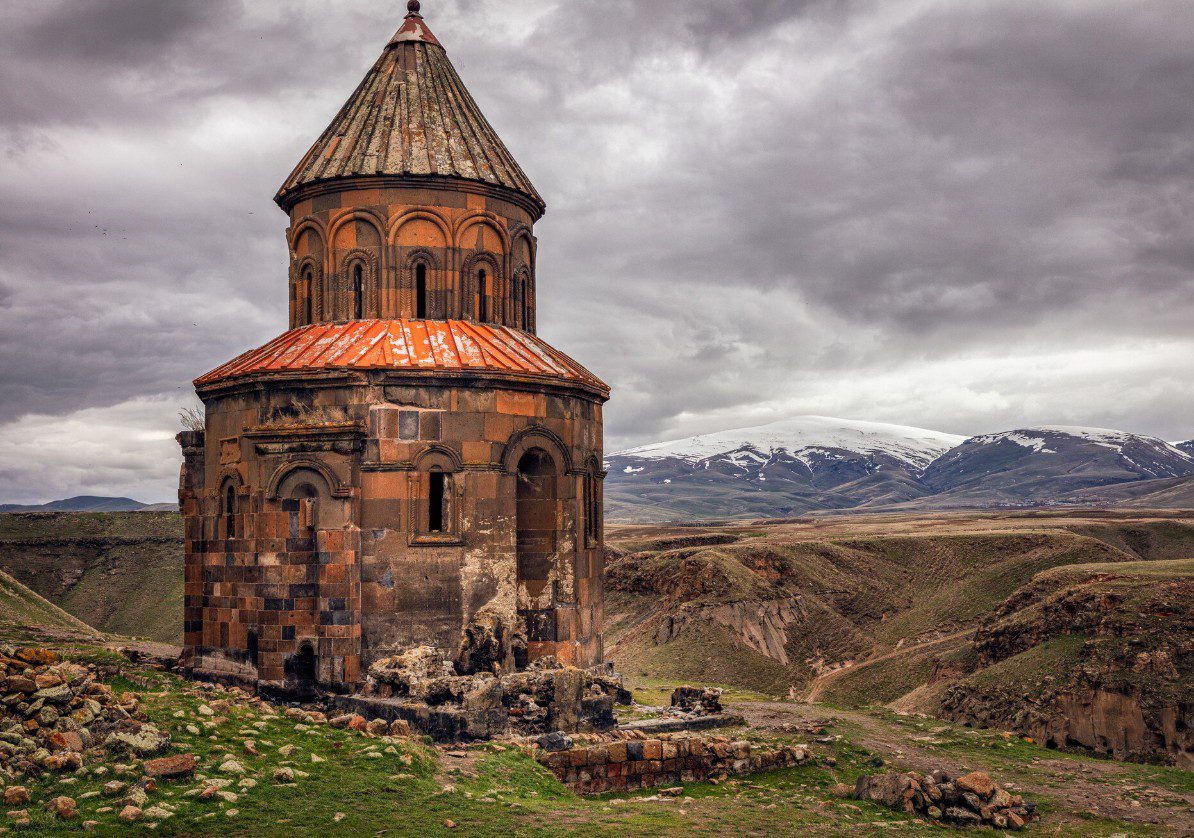
Armenia sits at the crossroads of Europe and Asia, yet it remains one of those destinations that travelers often overlook—which means detailed, practical advice can be surprisingly hard to find. Between a language with its own unique alphabet, a land border situation that’s complicated, and a currency that’s not the euro, there’s plenty that can catch you off guard. You’re smart to research ahead—because this ancient country rewards preparation in ways that turn a good trip into an unforgettable one. What makes Armenia different from more tourist-heavy European destinations is how dramatically the experience shifts once you leave Yerevan: the capital is buzzing and cosmopolitan, but drive two hours south and you’re exploring 1,700-year-old monasteries in landscapes that feel almost lunar.
This guide walks you through visas, cash, transport, food, and the mistakes you’ll want to avoid—straight advice from someone who’s learned the hard way, so you don’t have to.
Armenia at a Glance
- Capital: Yerevan
- Currency: Armenian Dram (AMD)
- Language: Armenian—uses its own unique alphabet
- English spoken? Some in Yerevan’s tourist areas; rarely in rural villages
- Visa required? Visa-free for US, UK, EU, Australian citizens: up to 180 days per year
- Best time to visit: May–June and September–October (pleasant weather, fewer crowds)
- Typical trip length: 5–7 days for highlights; 10+ days for deeper exploration
- Time zone: UTC+4 (no daylight saving)
- Power socket: Type C/F (European standard, 220V)
- Tipping culture: 5–10% in restaurants; not expected but appreciated
- Emergency number: 112 (English-speaking operators available)
Things to Sort Before You Land in Armenia
Most Western passport holders—including US, UK, EU, and Australian citizens—can enter Armenia visa-free for up to 180 days per year. Your passport needs to be valid for at least six months beyond your intended stay. Citizens of countries like India, Mexico, and Peru can apply for an e-visa online, which takes about three days to process and costs around $8 for a 21-day visa or $39 for a 120-day visa.
One thing that catches people off guard: if you hold Armenian citizenship (including dual nationality), Armenian law requires you to enter and depart the country on an Armenian passport. Even if you naturalized elsewhere, the government may still consider you a citizen, so check with the Armenian embassy before traveling.
The currency is the Armenian Dram (AMD). As of mid-2026, $1 USD is roughly 390 AMD. ATMs are widespread in cities, but in rural areas and smaller towns, cash is essential—many guesthouses and local markets won’t take cards. Bring US dollars or euros to exchange locally for better rates than you’ll get at airport ATMs.
Local carriers offer tourist SIM cards with generous data packages starting at around 2,000–3,000 AMD. Coverage is good in cities but patchy in remote mountain areas. If your phone supports eSIM, that’s the easiest route. Download offline maps on Maps.me or Yandex Maps before you arrive—mountain roads often lose signal. Google Translate doesn’t support Armenian, but it does support Russian, which many older Armenians speak as a second language.
One more thing: the land borders with Azerbaijan and Turkey are closed. If you’re planning to enter Armenia by land, you’ll need to come through Georgia or Iran.
Getting Around Armenia: What First-Timers Need to Know
Renting a car gives you the most freedom, especially if you’re planning to explore monasteries, villages, and national parks outside Yerevan. Roads between major cities are generally in good condition, but rural roads can be potholed and poorly lit. An international driving permit is recommended by most rental companies, and a 4×4 is strongly advised for routes to remote sites like Tatev Monastery or Lake Sevan’s less-visited shores.
Public transport options are functional but limited. Marshrutky—privately run minibuses—connect most towns and cities. They’re cheap and frequent, but you can’t book in advance: you pay and board on the day at the bus station. The railway connects Yerevan to Gyumri and a few other destinations, but service is limited compared to buses.
In Yerevan, the metro is efficient and cheap. For taxis, never hail one on the street—you’ll risk being overcharged. Use ride-hailing apps instead. The most popular apps in Armenia are GG (the local equivalent of Uber), Yandex Go, and UTaxi. These apps give you fixed, fair prices and let you track your driver. A ride anywhere in central Yerevan costs around 1,000 AMD.
From Zvartnots International Airport to the city center, a taxi via GG or Yandex Go costs approximately 3,000–5,000 AMD and takes 20–30 minutes. The airport provides free Wi-Fi, so you can book your ride upon arrival even without a local SIM card.
One honest note that guidebooks tend to skip: travel times are deceptive. Armenia is small on a map, but mountain roads mean what looks like a short distance can take longer than expected. Yerevan to Tatev is about 4–5 hours; Yerevan to Lake Sevan is about 1.5–2 hours. Budget extra time for every journey.
Money in Armenia: Budget, Costs, and Payment Tips
Armenia remains an affordable destination by European standards. Here’s what a realistic daily budget looks like:
- Hostel dorm bed: 2,500–5,000 AMD ($6–13)
- Budget hotel or guesthouse: 7,000–12,000 AMD ($18–31) per night
- Mid-range hotel room: 20,000–30,000 AMD ($51–77) per night
- Dinner at a local restaurant: 3,000–5,000 AMD ($8–13) per person
- Coffee: 500–1,000 AMD ($1.30–2.60)
- Bottle of local wine: 2,000–5,000 AMD ($5–13)
- Marshrutka ride between cities: 500–2,000 AMD depending on distance
- Public transport within Yerevan: 100 AMD ($0.25) per ride
For a full week, budget travelers can manage on around 34,000–55,000 AMD ($87–140), mid-range travelers on 100,000–150,000 AMD ($256–385), and luxury travelers on 200,000+ AMD ($510+) per person.
What’s surprisingly cheap: bread from street bakeries (100–200 AMD), fresh produce from local markets, and wine—you can get a decent bottle for less than a coffee in some countries. Public transport within Yerevan is also remarkably inexpensive.
What costs more than expected: rental cars (pricier than neighboring countries due to limited competition) and hotels in Yerevan during peak summer. Accommodation in the city center can be significantly more expensive than options outside the center.
ATMs are everywhere in cities. However, be aware of ATM fees: foreign bank cards typically incur a fee of around 1,500 AMD per withdrawal at major banks like Ameriabank. Use bank-affiliated ATMs to avoid excessive charges from independent machines. Notify your bank before travel. One money mistake first-timers commonly make: assuming cards work everywhere. In rural areas, local markets, guesthouses, and even some museums, cash is the only option.
Prices are based on research as of June 2026 and may vary.
Culture and Etiquette: What to Know Before You Go
Armenian hospitality is legendary, and you’ll feel it from the moment you arrive. When meeting someone, a handshake is standard. Learn the phrase Barev (hello) and Shnorhakalutyun (thank you)—even a clumsy attempt will win you goodwill. Armenians are warm and welcoming, and they appreciate visitors who make an effort to engage with their culture.
The vast majority of Armenians belong to the Armenian Apostolic Church, one of the oldest Christian traditions in the world. When visiting churches and monasteries, dress modestly—cover shoulders and knees. Women should cover their heads in many churches, though it’s not as strictly enforced as in some Orthodox traditions. Most churches provide loaner shawls at the entrance, so don’t worry if you forget.
Dining customs carry significance. If you’re invited to a meal, expect to be offered food repeatedly—refusing is considered polite at first, but eventually you should accept to honor your host’s generosity. When offered a toast, participate; toasts are a central part of Armenian dining culture, typically made with wine or brandy rather than beer.
Armenia is one of the safest countries in the region, with low crime rates and infrequent violent crime. Petty theft and credit card skimming do occur in Yerevan, so keep your belongings secure and use ATMs inside banks rather than on the street.
One cultural misunderstanding tourists commonly make: wearing swimwear in towns away from the lake. Armenia is a landlocked country with conservative dress codes outside Yerevan’s trendy neighborhoods. What locals appreciate: visitors who show interest in Armenia’s ancient history, winemaking traditions, or the country’s unique cultural heritage—rather than just ticking off Instagram spots.
Food in Armenia: What to Try and What to Skip
Armenian cuisine is one of the great reasons to visit—it’s fresh, flavorful, and deeply tied to the country’s history. These are the dishes you can’t miss:
- Khorovats—grilled meat skewers, the undisputed king of Armenian cuisine. Locals take their grilling seriously; you’ll find it everywhere from restaurants to roadside stalls.
- Dolma—grape leaves stuffed with spiced meat and rice, a dish that traces its roots back thousands of years.
- Lavash—traditional flatbread baked in a tonir (clay oven). It’s so culturally significant that UNESCO recognized it as an Intangible Cultural Heritage of Humanity.
- Khash—a hearty soup made from boiled cow’s feet, traditionally eaten in winter with garlic and lavash. It’s an acquired taste, but one of the most authentic Armenian culinary experiences.
Local drinks worth knowing: Armenian brandy is world-famous—and for good reason. The 15-year-old “Ararat” Dvin was reportedly Winston Churchill’s favorite. For wine, the Areni region produces excellent reds from the indigenous Areni grape. Beer is also popular, with local brands like Kilikia and Kotayk widely available.
Where to eat cheaply without eating badly: look for restaurants where locals are eating, not tourists. The area around Yerevan’s Republic Square has some great options, but walk one street back from the main square and prices drop significantly for the same quality. Street food and markets are also excellent value.
READ ALSO:
- Is Armenia Safe to Travel Solo in 2026? Honest Guide
- Best Time to Visit Armenia: Month-by-Month Guide 2026
- Best eSIM for Armenia in 2026: Tested Options
Mistakes First-Time Visitors to Armenia Make
Only staying in Yerevan. The capital is wonderful, but Armenia’s soul is in its villages, monasteries, and mountain landscapes. Get out of the city—Tatev, Garni, Geghard, Dilijan, and Lake Sevan are all within reach and offer experiences you won’t find in Yerevan.
Underestimating travel times. Armenia is small, but mountain roads are winding and slow. A journey that looks like an hour on Google Maps can easily take two or three, especially if you’re heading to the south.
Assuming English is everywhere. English is spoken in Yerevan’s tourist areas, but in rural villages, it’s rare. Russian is more widely spoken among older generations. Having a translation app for Russian or Armenian as backup will save you.
Not having cash. Rural guesthouses, markets, and even some museums and monasteries only accept cash. You’ll be stuck if you arrive with an empty wallet.
Dressing inappropriately for religious sites. Even if it’s 35°C outside, churches expect covered shoulders and knees. Most provide loaner clothing, but it’s better to be prepared.
Trying to enter via the land borders with Azerbaijan or Turkey. Both borders are closed. You’ll need to fly in or enter via Georgia. Land crossings with Iran are possible but require thorough research.
Not booking accommodation in advance during peak season. May–June and September–October fill up fast, especially in Yerevan and popular destinations like Dilijan and Lake Sevan. Book at least a month ahead.
Ignoring the 180-day visa limit. If you’re staying longer than six months, you must apply for a residency permit. Overstaying can result in fines or entry bans.
How Long Do You Need in Armenia?
Minimum days to see the highlights: 5 days (allows for Yerevan, Garni, Geghard, and Lake Sevan).
Ideal trip length: 7–10 days (gives you time for Yerevan, the south to Tatev, Dilijan, and Lake Sevan at a relaxed pace).
What you can do in different trip lengths:
- 5 days: Yerevan (2 nights), Garni and Geghard day trip, Lake Sevan (1 night), return to Yerevan
- 7 days: Yerevan (2 nights), Tatev Monastery and southern Armenia (2 nights), Dilijan (1–2 nights), Lake Sevan (1 night)
- 10 days: Same as 7 days, with an extension to Gyumri, the wine region around Areni, or deeper exploration of the mountains
Short trip skeleton (5 days): Yerevan → Garni/Geghard → Lake Sevan → return to Yerevan.
Ideal trip skeleton (7–10 days): Yerevan (2 nights) → southern Armenia/Tatev (2 nights) → Dilijan (1–2 nights) → Lake Sevan (1 night) → return to Yerevan.
For a full day-by-day itinerary, see our Armenia itinerary guide.
Frequently Asked Questions — First-Time Visitors to Armenia
Is Armenia easy to travel independently?
Yes—with some caveats. Yerevan and the main tourist routes are straightforward, with good infrastructure and English increasingly spoken. The mountains and remote villages require more planning: a car is almost essential, and you’ll need to be comfortable navigating rural roads. Independent travel is absolutely doable for those who prepare.
How much money do I need for a week in Armenia?
Budget around 80,000–150,000 AMD ($205–385) per person for a week on a mid-range budget (guesthouse stays, local meals, transport). Budget travelers can do 35,000–55,000 AMD ($90–140), while those wanting hotels and nicer restaurants will spend 150,000+ AMD ($385+) per person.
Do I need to know the local language in Armenia?
No. English is spoken in Yerevan’s tourist areas and by younger Armenians. Rural areas are different—Russian is more commonly spoken as a second language among older generations. Learning barev (hello) and shnorhakalutyun (thank you) will go a long way with locals.
Is Armenia safe for travelers?
Armenia is remarkably safe, with low crime rates. Violent crime is infrequent, and the country ranks high on safety indices. The biggest risk is road accidents, so drive defensively. Avoid the closed borders with Azerbaijan and Turkey. Since October 2024, there have been occasional protests in Yerevan—check your government’s travel advice before visiting.
Do I need a car in Armenia, or can I use public transport?
You can manage without a car along the main routes: Yerevan, Gyumri, and Lake Sevan are connected by marshrutky and some trains. But for the south (Tatev, Goris), Dilijan, and remote monasteries, a car gives you freedom that public transport can’t match. If you’re short on time, consider day tours or hiring a driver for specific legs.
Final Thoughts
Armenia rewards travelers who do their homework and go in with realistic expectations. It’s not a place to rush—the country is small, but its roads and landscapes demand patience. Visit in May, June, or September to catch the best weather without the peak-season crowds.
Most first-timers say the same thing after their trip: “I wish I’d spent more time outside Yerevan.” Plan your itinerary with that in mind—the capital is wonderful, but Armenia’s soul lives in its ancient monasteries, mountain villages, and the hospitality of its people. Ready to start planning? Check out our Armenia itinerary guide and packing list for the Caucasus for more detail.