

Yes, Romania is generally safe for solo travelers — including women. In fact, Romania ranks as one of the statistically safest countries in the European Union, with official travel advisories from the U.S. Department of State advising travelers to exercise normal precautions. But like anywhere, a few things are worth knowing before you go.
What makes Romania’s safety profile unique is its combination of low crime rates and affordable travel costs. The majority of crime is property-related, making up roughly 70% of the nation’s crime, while violent crime is rare. The country recorded 213 murders in 2025, giving it a homicide rate of just 1.26 per 100,000 people — significantly lower than many Western European countries. The key is knowing what to expect and preparing accordingly, which is exactly what this guide covers.
Romania Safety at a Glance
- Overall crime rate: Low. Romania is one of the safest countries in the EU, with crime rates below the European average.
- Petty theft: Moderate in tourist areas. Pickpocketing and bag-snatching occur in crowded places like train stations, public transport, and busy markets.
- Solo female travel: Generally safe. Travelers rate it 4.3 out of 5, with many reporting feeling secure even at night.
- Scams targeting tourists: Taxi overcharging and fake police scams are the most common issues.
- Natural hazards: Earthquake risk exists — Romania is in a seismically active region. Mountain weather can change quickly.
- Transport safety: Driving can be hazardous due to poor secondary roads and aggressive driving habits.
- Night safety: Safe in main city centers, though the Old Town in Bucharest can be sketchy late at night with drunk crowds.
Is Romania Safe? The Honest Answer
The short answer is yes — Romania is a safe destination for most travelers. The U.S. Department of State has assessed Bucharest as a low-threat environment for crime directed at or affecting official U.S. government interests, and the travel advisory is set at Level 1: Exercise Normal Precautions. The Australian and UK governments echo this assessment, advising the same level of caution.
Romania records an average of 540,000 to 580,000 total reported crimes annually, maintaining its standing as one of the statistically safest countries in the European Union. The majority of crime is property or petty theft, making up roughly 70% of the nation’s crime. In 2025, the Romanian Police recorded 213 total murders across the country, a homicide rate of 1.26 per 100,000 people — far below the U.S. rate.
Most crimes against visitors are limited to crimes of opportunity or scams. Robbery, pickpocketing, internet scams, and credit card fraud are the most reported crimes. Violent crime is rare. Organized groups of criminals, sometimes including very young children and well-dressed young adults, operate in train stations, trains, subways, and buses.
Locals are generally friendly and helpful toward tourists. Romanian hospitality is well-documented, and many solo travelers report positive experiences with locals going out of their way to assist. However, be aware that protests occur in Bucharest and other major cities — while usually peaceful, they can turn violent and disrupt transport.
Is Romania Safe for Solo Female Travelers?
This is the question many women ask first, and the honest answer is: yes, very safe. The solo female travel community rates Romania 4.3 out of 5 for safety based on real traveler experiences. A survey by Holiday Extras found that 70% of women respondents did not change their behavior at all while traveling in Romania — one of the highest percentages among European destinations.
Street harassment: Reports vary, but most women describe positive experiences. One local woman noted that “Romania feels very safe” and that she was out on the streets between 2 AM and 4 AM with no issues and reassuring police presence. A solo female traveler shared she “felt incredibly safe” walking back late at night in Bucharest, comparing it favorably to Barcelona and London where she did not feel safe. However, some travelers report occasional catcalling and unwanted attention, particularly in Bucharest’s Old Town.
Nightlife safety: Bucharest’s city center stays busy late into the evening. The Old Town is lively and well-populated, though some women report feeling uncomfortable with drunk men approaching them at night. Stick to well-lit areas, avoid Piata Unirii and the Old Town late at night if you’re alone, and use ride-hailing apps for returns rather than walking. One local described Ferentari as an area to avoid, particularly for tourists.
Dress code: Romania is a modern European country — Western clothing is fine everywhere. When visiting Orthodox churches, modest dress (covering shoulders and knees) is expected. In general, you’ll blend in easily with standard city attire.
Accommodation safety: Hostels and guesthouses in Bucharest, Brasov, and other tourist cities are generally solo-female-friendly. Many solo women travelers report positive experiences with budget accommodation and meeting other travelers. One traveler described staying in a Brasov hostel and feeling “super-safe” with a “very nice nightlife” and friendly people.
A practical tip most guides miss: download the Uber or Bolt app for rides. These eliminate the need to negotiate prices and reduce the risk of taxi overcharging. Also, avoid Ferentari district in Bucharest — it’s considered unsafe for tourists, especially at night.
Scams and Tourist Traps to Know About
Scams in Romania are usually about overcharging, not violence. Here are the most common ones and how to avoid them:
- Fake police scam: Individuals posing as plainclothes police officers approach, flash a badge, and accuse you of changing money illegally or some other infraction. They demand to see your money or wallet. Legitimate plainclothes police officers do not conduct random checks asking travelers for identification. If approached, continue walking and insist on the presence of a uniformed officer or offer to go to the nearest police station.
- Taxi overcharging: Unofficial taxis at the airport and train stations often charge inflated rates. Always use Uber, Bolt, or official taxi companies with meters. Agree on the price before getting in if not using an app. One traveler reported being charged 40-60 lei for a trip that should have cost 20-30 lei.
- Pickpocketing in crowded areas: Organized groups, sometimes including children, operate in train stations, subways, and buses. Keep valuables secure, use a cross-body bag, and avoid flashing cash. Thefts from hotel rooms are also common.
- Credit card fraud: Always keep your credit card in sight when paying. Use ATMs located inside reputable banks, hotels, or shopping malls. Check machines for signs of tampering before use.
- Nightclub overcharging: Some clubs in Bucharest’s Old Town have been reported to charge exorbitant prices and be persistent in pursuing payment. Simple assaults outside clubs are possible, especially late at night after alcohol consumption.
Safest (and Sketchiest) Areas in Romania
Bucharest: The capital is considered generally safe, with the city center, Old Town, and areas around Piata Romana being well-patrolled. However, the Old Town and Piata Unirii are considered the sketchiest areas, particularly late at night when drunk crowds gather. Avoid Ferentari — a neighborhood locals advise against visiting, especially for tourists. As in most cities, crime occurs more frequently in populated metropolitan areas.
Brasov: A charming Transylvanian city that’s very safe for solo travelers. The Old Town is well-maintained and tourist-friendly. Many solo travelers report feeling safe walking around even at night. The city is a popular base for exploring nearby castles.
Sibiu: Another Transylvanian gem with a low crime rate. Safe for solo travelers and easy to navigate on foot. English is widely spoken in tourist areas.
Cluj-Napoca: A vibrant university city that’s considered safe. Nightlife is active and generally safe, though standard precautions apply.
Constanta and the Black Sea coast: Popular summer destinations that can get crowded in July and August. Pickpocketing can occur on busy beaches. Exercise caution at night in less populated areas.
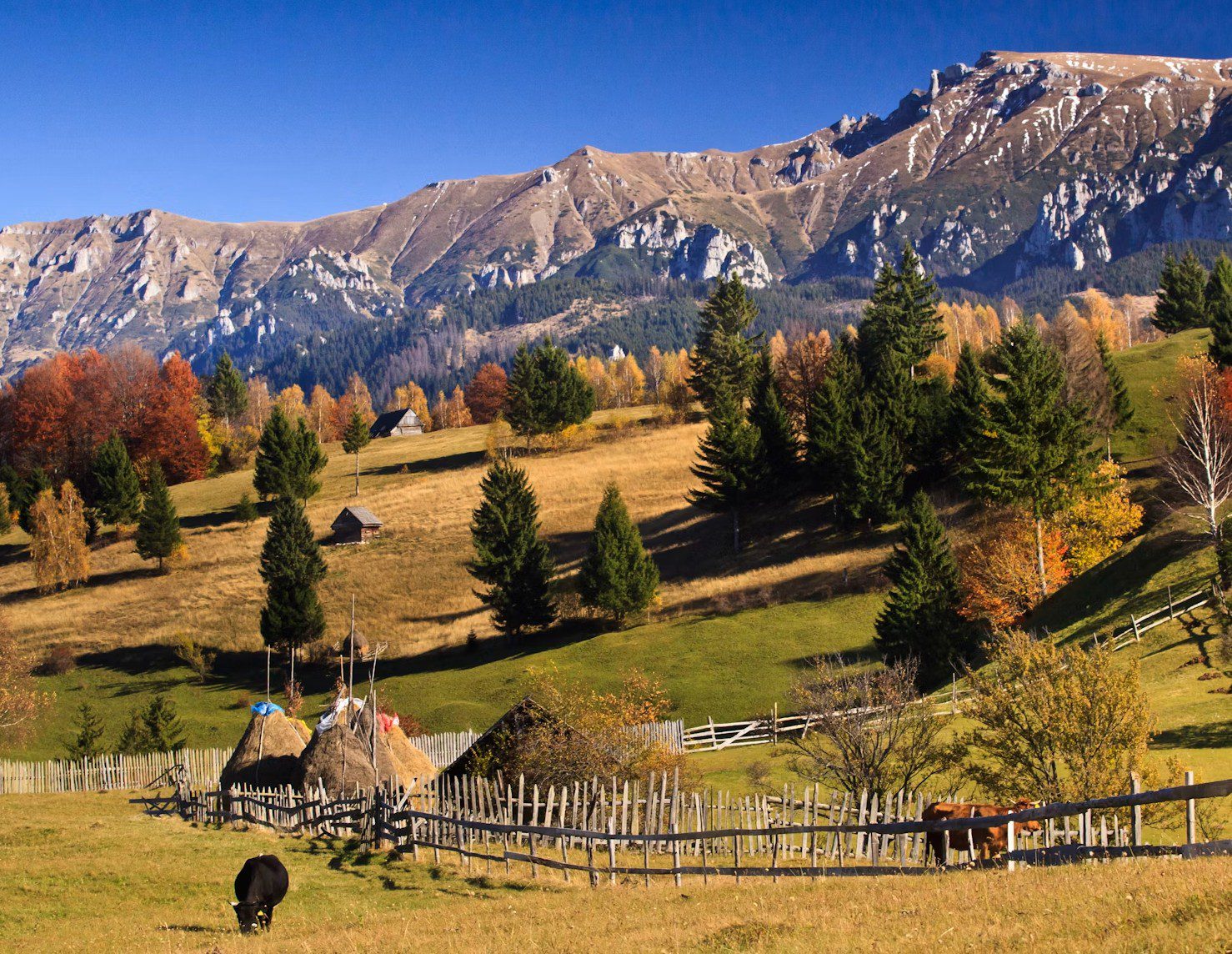
Rural areas and the Carpathian Mountains: Crime is lower in rural areas, but English is scarce. Bear attacks occur in Romania, particularly in the Carpathian mountains and surrounding areas — do not approach wild animals or attempt to feed them. For remote hiking, solo travelers should stick to well-marked trails, carry ample supplies, and let someone know their route.
Solo Travel Safety Tips for Romania
- Get a local SIM card at an official shop — operators like Orange, Vodafone, and Telekom offer tourist packages. Coverage is generally good, but can be patchy in mountain areas.
- Emergency number: 112 works nationwide for police, ambulance, and fire services.
- Use Uber or Bolt for rides in Bucharest and other major cities. These apps show fares upfront and eliminate negotiation — particularly useful given reports of taxi overcharging at the airport.
- Carry cash in small denominations — the currency is the Romanian Leu (RON). Credit cards are widely accepted in cities, but smaller establishments and rural areas are cash-only. Use ATMs inside banks or shopping malls to avoid skimming.
- If renting a car, note that U.S. citizens can now drive in Romania for up to 180 days with a valid U.S. state driver’s license — an International Driving Permit is no longer legally required. However, driving is hazardous. Major roads are fair to good, but secondary roads are often in need of repair. Expect other drivers to disregard rules, speed limits, and consideration. There is a zero-tolerance policy for alcohol and driving — it’s illegal to have any level of alcohol in your system when operating a motor vehicle.
- Book accommodations in advance during July and August — the coast and mountain resorts get busy with local and international tourists.
- Tap water is generally safe in cities, but stick to bottled water in rural areas to avoid gastrointestinal issues.
- Carry your passport or a photocopy at all times — by law, you must carry a photo ID. Keep your passport in a safe place and carry a photocopy for daily use.
- Don’t photograph military or police personnel, sites, or equipment — it’s illegal.
- Be cautious about discussing politics — while Romania is politically stable, discussions about relations with neighboring countries or historical issues can be sensitive.
- Avoid contact with stray dogs — stray dogs are present in some areas, and bites can lead to rabies exposure.
- If traveling by overnight train, travel with a companion and in the highest class available — thefts and some assaults have occurred on trains, particularly in rural areas and overnight services. Lock compartments from the inside.
What Solo Travelers Say About Romania
Reading through travel forums and reviews, a very positive picture emerges. Solo travelers consistently say Romania feels safe and welcoming, with many comparing it favorably to Western European destinations. A solo female traveler shared: “I’ve been to Romania, Poland, Hungary, and Czechia as a single female traveler. Walked back from stuff late at night. Felt incredibly safe. Did not feel the same in Barcelona and London.” Another noted that “Romania is generally safe for solo female travelers — the locals are friendly and helpful, and public spaces are well-policed.”
What catches people off guard is the driving culture. One traveler described driving in Romania as “hazardous” due to poor secondary roads and aggressive driving habits. Another noted that while major streets in larger cities are generally in fair to good condition, secondary roads are in need of repair.
A recurring concern in forums is the presence of scams, particularly fake police officers and taxi overcharging at the airport. Travelers warn each other to use ride-hailing apps instead of accepting rides from touts. Another common theme is the stray dog population — while not a major safety issue, it’s something to be aware of.
Overall, the sentiment is overwhelmingly positive. Romania is described as affordable, safe, and full of incredible sights. One traveler shared that “Romania stands out as a destination where safety and freedom closely align,” with 70% of women not changing their behavior at all while traveling there.
Frequently Asked Questions
Is Romania safe for solo female travelers?
Yes, very safe. The solo female travel community rates Romania 4.3 out of 5 for safety. A survey found that 70% of women did not change their behavior at all while traveling there — one of the highest percentages in Europe. Stick to well-lit central areas after dark, use ride-hailing apps rather than hailing cabs, and avoid Ferentari district in Bucharest.
Is Romania safe at night?
Bucharest’s city center and Old Town are generally safe at night but can be sketchy late at night with drunk crowds. Brasov, Sibiu, and Cluj are safe at night in main areas. Avoid isolated areas, parks, and unlit streets after dark. Use Uber or Bolt for late-night returns rather than walking alone.
What are the biggest safety risks in Romania?
The biggest risks are petty theft (pickpocketing in crowded areas), taxi overcharging, fake police scams, and credit card fraud. Violent crime is rare. Driving is hazardous due to poor secondary roads and aggressive driving habits. Bear attacks are a risk in the Carpathian mountains — do not approach wild animals.
Is it safe to drive in Romania?
Driving requires caution. Major roads are fair to good, but secondary roads are often in need of repair. Expect aggressive driving and disregard for rules. There is zero-tolerance for alcohol and driving. U.S. citizens can drive for up to 180 days with a valid U.S. license — an International Driving Permit is no longer legally required but some rental companies may still request one. Carry a fire extinguisher, first-aid kit, high-visibility vest, and warning triangles in your vehicle at all times.
Is Romania safe for LGBTQ+ travelers?
Same-sex relationships are legal but not widely accepted, particularly in rural areas. Romania has anti-discrimination laws, but societal attitudes remain conservative. Bucharest is more liberal and tolerant, but public displays of affection may attract unwanted attention. Exercise discretion outside major cities.
Bottom Line
Romania is a safe and rewarding destination for solo travelers who do their research before arriving. Petty crime and scams exist but are manageable with basic awareness. The real concerns are practical — driving habits, mountain weather, and the occasional scam — rather than violent crime.
This is a country that rewards independent travelers, especially those willing to explore beyond Bucharest into Transylvania, the Carpathian mountains, and the Black Sea coast. Most first-timers come away surprised by the genuine hospitality, the incredible value for money, and how safe they felt. Who will feel comfortable here? Nearly everyone who’s traveled independently before. Who might want extra precautions? Solo women walking alone at night in Bucharest’s Old Town, anyone planning to drive outside cities, and those who want to explore remote mountain areas without a guide.
If you’re still planning your trip, check visa requirements for your passport — U.S., UK, EU, and Australian citizens can enter visa-free for up to 90 days. Read up on Bucharest, Brasov, and Sibiu highlights, and consider travel insurance that covers driving and mountain rescue. The more you prepare, the smoother your trip will go.