

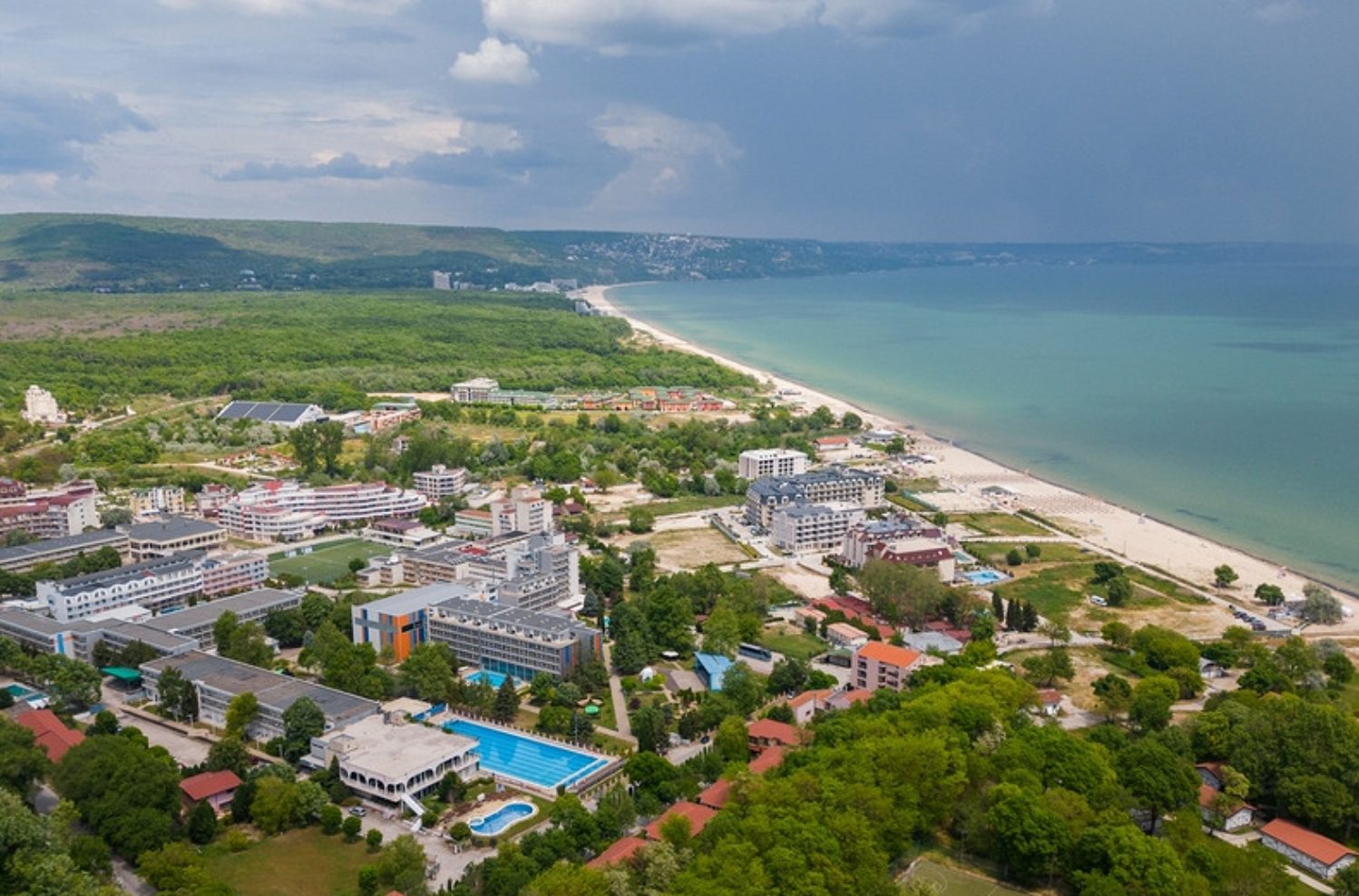
Bulgaria isn’t on everyone’s radar yet. That’s exactly why you’re reading this — you’ve heard it’s affordable, interesting, and different. And you’re right. But the same reasons it’s worth visiting are the reasons you need to do some homework before you go. The Cyrillic alphabet, the head-nod confusion, the cash-first culture, the roads that look fine on Google Maps but definitely aren’t. Here’s what actually matters before you land in Sofia, from someone who’s made most of these mistakes already.
Bulgaria at a Glance
- Capital: Sofia
- Currency: Bulgarian Lev (BGN) — fixed to the euro at 1.95 BGN per €1. Bulgaria will adopt the euro in January 2026.
- Language: Bulgarian, written in Cyrillic. This alphabet originated here — never call it “Russian.”
- English spoken? Yes, especially among younger people in cities. Limited in rural areas.
- Visa required? EU/Schengen, US, UK, Australian citizens: 90 days visa-free. Bulgaria joined the Schengen area in January 2025.
- Best time to visit: May–June and September–October for good weather and fewer crowds. July–August are hot and crowded on the coast.
- Typical trip length: A long weekend to a week for a first visit; 10–14 days ideal for seeing coast and mountains.
- Time zone: UTC+2 (winter), UTC+3 (summer).
- Power socket: Type C and F (European standard), 230V.
- Tipping: 10% in restaurants if service isn’t included; rounding up taxi fares is common.
- Emergency number: 112 (police, ambulance, fire).
Things to Sort Before You Land in Bulgaria
Visa and Entry Requirements
Bulgaria joined the Schengen area in January 2025. This means you can enter under the standard Schengen rules: 90 days visa-free within any 180-day period for citizens of the EU, US, UK, Australia, Canada, and many other countries. However, Bulgaria still has border controls with some Schengen neighbors — don’t assume all land borders are fully open.
Travel Insurance
Healthcare standards in Bulgaria are below those in Western Europe, and medical supplies can be limited. Major cities have good hospitals, but if you’re seriously ill or injured, you may need evacuation. Make sure your policy covers this. Also check it covers outdoor activities — if you’re hiking in the Rila or Pirin mountains, many standard policies won’t cover rescue.
Currency and Cash
The Bulgarian Lev (BGN) is the official currency — the euro is not accepted for payments. The country adopts the euro in January 2026, so this will change, but for now, you need leva.
Card payments are widely accepted in Sofia and major cities, but not everywhere. Many small shops and restaurants, especially outside the capital, are cash-only. The smart rule: always carry at least 50 BGN (around €25) in cash. ATMs are widely available in cities, but watch for skimming devices — use ATMs inside banks or shopping centers.
SIM Card and Connectivity
Local SIM cards are affordable and widely available at the airport and in city shops. Coverage is generally good in cities and along major routes, but can be patchy in mountain regions. Free Wi-Fi is common in cafes and hotels.
Offline Apps to Download
Download Maps.me with offline Bulgaria maps before you arrive. Google Maps is generally reliable in cities but less so on rural roads — infrastructure changes, some routes don’t exist, and GPS might send you down a potholed track. Also grab a translation app with the Cyrillic alphabet pack — Bulgarian is written in Cyrillic, and reading it will help you navigate, even if you can’t speak the language.
Getting Around Bulgaria: What First-Timers Need to Know
Transport in Bulgaria is functional, but it has its quirks.
Renting a Car
If you’re visiting cities and the coast, you don’t need a car. If you’re heading to mountains, smaller towns, or places like the Rila Monastery, renting is useful. But drive carefully — roads (and pavements) are often poorly maintained, potholed, and unlit. Bulgarian driving tends to be aggressive, and night driving outside cities is not recommended.
An International Driving Permit is recommended alongside your license. You must carry a first-aid kit, warning triangle, and fire extinguisher, and use dipped headlights even during the day. If driving on intercity roads, you need a vignette (road tax sticker), available at border points and large petrol stations.
Car theft is common, even at petrol stations — lock your car and keep valuables out of sight.
Public Transport
Trains and buses in Bulgaria are generally well-maintained, but finding updated information online, especially in English, can be challenging. The national railway company BDZ has an English website. For intercity buses, Union Ivkoni is your best bet for online ticket sales.
Sofia, Plovdiv, Varna, and Burgas have good public transport. Sofia’s metro is convenient — you can pay for a single trip with a bank card, which includes transfers to buses and trams.
Taxis and Rideshare
Taxis in Sofia are inexpensive compared to Western Europe, but overcharging is common, especially at the airport, train and bus stations. How to avoid: Use a reputable company or app (like Yellow! or Taxime, also known as Bolt), insist on the meter, or confirm the price before getting in. At Sofia Airport, use the official taxi desk in the arrivals hall or take the metro to the city centre.
Getting Between Main Destinations
Sofia to Plovdiv is two hours by car, or just under 2.5 hours by train. Sofia to Burgas or Varna on the Black Sea is a 4-6 hour drive, or an eight-hour train journey. Expect longer journeys than advertised due to road conditions, traffic, and winding mountain routes.
The honest truth: Bulgaria’s transport system works, but you need patience and flexibility. Train travel is less comfortable than buses. Plan your routes with backup options — trains sometimes don’t run as scheduled.
Money in Bulgaria: Budget, Costs, and Payment Tips
Prices are based on 2025 data and may vary.
Daily Budget Breakdown
- Hostel dorm: 20–40 BGN (US$12–24)
- Public transport ticket: 1.60 BGN (US$1) for a single bus ride, or 4 BGN (US$2.40) day pass
- Coffee: 3–6 BGN (US$1.80–3.60)
- Sandwich: 6–10 BGN (US$3.60–6)
- Dinner for two: 50–80 BGN (US$30–48)
- Beer/pint at the bar: 6–10 BGN (US$3.60–6)
- Taxi ride in Sofia: 15–30 BGN (US$9–18)
What’s Surprisingly Cheap
Dining out, coffee, and alcohol are bargain-priced compared to Western Europe. A meal that costs €30 in Italy might cost €10–15 in Plovdiv. Skiing in Bansko costs a fraction of Alpine resorts. Accommodation, even in the high season, is affordable.
What Costs More Than Expected
ATMs charge fees, and withdrawing small amounts adds up. Beach and ski resort prices in peak season are higher than the national average. Car rentals booked locally often require cash, meaning you lose credit-card insurance protection.
One Money Mistake First-Timers Make
Assuming cards are accepted everywhere and forgetting to carry cash. Many small stores and restaurants, particularly in smaller towns, do not accept card payments. Always have at least 50 BGN (€25) in cash on you.
READ ALSO:
- Is Bulgaria Safe to Travel Solo in 2026? Honest Guide
- Best eSIM for Bulgaria in 2026 — Tested & Compared
- Best Time to Visit Bulgaria: Month-by-Month Guide 2026
Culture and Etiquette: What to Know Before You Go
Bulgarians may appear grumpy at first, but they’re genuinely welcoming once you make an effort. The country has a distinct culture that’s often misunderstood — here’s what to keep in mind.
The Head-Nod Confusion
This is the thing most first-timers get wrong. In Bulgaria, nodding your head up-and-down means no, and shaking your head side-to-side means yes. This can cause real confusion, especially in markets or taxis. Be mindful of it when communicating with locals who may not speak much English.
Greeting Customs
A handshake is common for introductions. “Zdraveyte” is hello, and “Blagodarya” is thank you. Learning a few words breaks the ice and brings a smile to someone’s face — and may help you avoid being overcharged.
Religious Sites
When visiting churches, monasteries, and other religious sites, dress modestly — cover your shoulders and knees, remove hats. The Rila Monastery, Bulgaria’s most famous religious site, is a functioning monastery with resident monks — respect the atmosphere.
Photography Etiquette
Always ask before photographing people, especially in markets and rural areas. Do not photograph military or police installations — it’s prohibited.
One Cultural Mistake Tourists Commonly Make
Assuming Bulgaria uses the Russian alphabet. The Cyrillic alphabet originated in Bulgaria in the 9th century, and locals are proud of this fact. Never call it the “Russian alphabet” — that’s a quick way to offend someone.
What Locals Appreciate
Effort matters. When tourists learn a few words, dress modestly at churches, or show curiosity about Bulgaria’s history and culture, locals respond with genuine warmth and hospitality.
Food in Bulgaria: What to Try and What to Skip
Bulgarian food is simple, hearty, and excellent value. Here’s what to look for.
Must-Try Dishes
- Banitsa: Flaky filo pastry stuffed with cheese and eggs, a classic breakfast pastry.
- Shopska salad: Chopped tomatoes, cucumbers, peppers, onions, and grated white cheese — Bulgaria’s national salad.
- Tarator: Cold yogurt soup with cucumber, garlic, walnuts, and dill — perfect in summer heat.
- Kavarma: A hearty stew of meat, peppers, and onions, slow-cooked in a clay pot.
- Kebabcheta: Grilled minced meat cylinders, a staple at any traditional restaurant.
Local Drinks Worth Knowing
Bulgarian wine is excellent and underrated — try a bottle of Melnik wine, grown on vines that predate the Ottoman conquest. Rakia, a grape or plum brandy, is the national spirit. Bulgarian yogurt is famous worldwide for its unique bacterial cultures — try it plain or in tarator.
Where to Eat Cheaply Without Eating Badly
Local bakeries for banitsa and pastries. Family-run tavernas (mehanas) away from main squares offer the best value. In Sofia, the side streets off Vitosha Boulevard hide good, affordable restaurants. In Plovdiv, Kapana is the creative district with excellent cafes and restaurants.
One Food Trap for Tourists
Restaurants in Sunny Beach and on Sofia’s main square charge premium prices. Walk at least a block off the main drag before choosing where to eat — the food will be better, and the bill much smaller.
Mistakes First-Time Visitors to Bulgaria Make
Here’s what not to do.
- Only visiting Sofia. Sofia is fine, but Plovdiv is widely considered the more interesting city — it’s been continuously inhabited for 6,000 years, has a beautifully preserved Old Town, and the Kapana creative district is genuinely vibrant. Give Plovdiv at least a day.
- Driving at night outside cities. Roads are poorly lit, potholed, and driving is aggressive. Avoid night driving, especially in rural areas.
- Forgetting cash. Cards aren’t accepted everywhere, especially outside Sofia. Always carry at least 50 BGN (€25) on you.
- Not knowing the head-nod confusion. In Bulgaria, nodding means “no” and shaking the head means “yes.” Get this wrong, and you’ll end up very confused very quickly.
- Calling the Cyrillic alphabet “Russian.” Bulgaria invented Cyrillic in the 9th century. Locals are proud of this. Avoid this mistake.
- Assuming cheap taxis are legitimate. Overcharging is common at the airport and train stations — use the official taxi desk or an app.
- Not booking accommodation in advance during July-August. The Black Sea coast and ski resorts in winter fill up. Show up without a booking, and you might struggle to find a room.
- Forgetting travel insurance covers outdoor activities. Many standard policies don’t cover mountain rescue or ski accidents. Check your policy before you hike or ski.
How Long Do You Need in Bulgaria?
Minimum Days to See the Highlights
A long weekend to a week is enough to cover Sofia, Plovdiv, and one other destination. You’ll see the highlights but it’ll be rushed.
Ideal Trip Length
10–14 days. Enough time for Sofia (2–3 days), Plovdiv (2 days), a day trip to Rila Monastery, and the Black Sea coast (Varna or Burgas), plus time for hiking in the mountains.
What You Can Realistically Do
5–7 days: Sofia (2 nights), Plovdiv (2 nights), Rila Monastery day trip, and finish with a night in Varna or Burgas — or just focus on Sofia, Plovdiv, and the mountains.
10–14 days: Add the Black Sea coast (3–4 nights), a hike in the Rila or Pirin mountains, and a traditional town like Veliko Tarnovo or Koprivshtitsa.
Sample 10-Day Itinerary:
- Days 1–3: Sofia
- Day 4: Rila Monastery day trip
- Days 5–7: Plovdiv
- Days 8–10: Varna or Burgas on the Black Sea coast
Frequently Asked Questions — First-Time Visitors to Bulgaria
Is Bulgaria easy to travel independently?
Yes. It’s a safe, affordable destination with decent transport infrastructure. The language barrier is manageable — younger people in cities speak English, and Google Translate helps in rural areas. Plan your routes with backup options, especially for transport.
How much money do I need for a week in Bulgaria?
Budget travellers can manage on €30–40 per day (hostel dorms, local food, public transport). Mid-range travellers should budget €60–80 per day for a private room, restaurant meals, and occasional taxis. Costs are higher on the Black Sea coast in July–August and in ski resorts in winter.
Do I need to know the local language in Bulgaria?
Not for the main tourist route — younger Bulgarians in cities speak good English. But learning “Zdraveyte” (hello) and “Blagodarya” (thank you) is appreciated and can help avoid being overcharged. Be prepared for Cyrillic — signs and menus are often in Cyrillic, but most have English translations.
Is it safe to drive in Bulgaria?
Yes, but drive defensively. Roads can be poorly maintained, potholed, and unlit outside cities. Avoid night driving outside major cities, and never leave valuables in your car — car theft is common. You need a vignette for intercity roads, and an International Driving Permit is recommended.
Is Bulgaria safe for solo travelers?
Yes. Bulgaria is generally safe for solo travelers, including women. Pickpocketing is the main concern — keep your belongings close in crowded areas and on public transport. Avoid poorly lit streets at night and use reputable taxi apps rather than hailing on the street. Travelers consistently describe Bulgaria as safe and welcoming.
The Bottom Line
Bulgaria rewards travelers who do their homework. It’s affordable, authentic, and less crowded than Western Europe — but it’s also rougher around the edges. If you’re independent, flexible, and willing to embrace the unexpected, Bulgaria will surprise you. If you need flawless infrastructure and precise timetables, you might find it frustrating.
Most first-timers say the same thing: “I wish I’d stayed longer.” The country grows on you — what starts as curiosity about a less-documented corner of Europe often becomes an obsession.