

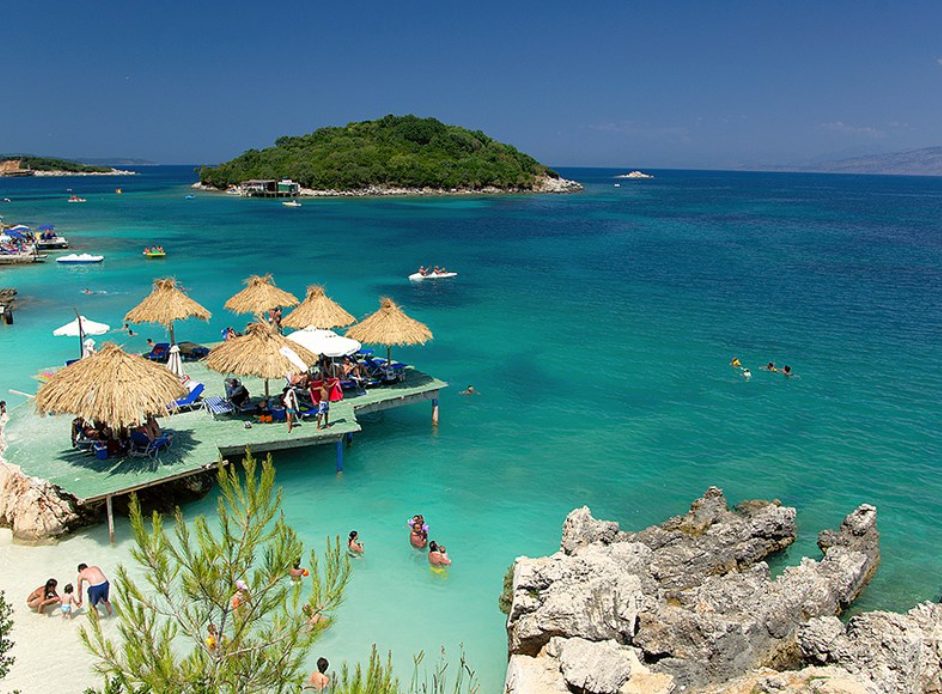
So you’ve booked a trip to Albania — or you’re seriously thinking about it. Smart move. But here’s the thing: Albania isn’t like Greece, Croatia, or Italy. It’s not worse or better — it’s different. And that difference is exactly why you’re reading this instead of just winging it.
This guide is for first-timers who want the real deal: what actually works, what doesn’t, and how to avoid the mistakes that turn a great trip into a frustrating one. No fluff, no “hidden gems” — just practical advice from people who’ve been there and learned the hard way.
Albania at a Glance
- Capital: Tirana
- Currency: Albanian Lek (ALL). Euros are accepted in tourist areas but at poor exchange rates.
- Language: Albanian. English is common in cities and tourist zones, less so in rural areas.
- English spoken? Good in Tirana and along the coast; limited in villages and mountains.
- Visa required? 90 days visa-free for US, UK, EU, and many other nationalities. US citizens get up to one year.
- Best time to visit: May–June and September–October. July–August are crowded and hot.
- Typical trip length: Minimum 7–10 days; 2 weeks is ideal.
- Time zone: UTC+1 (winter), UTC+2 (summer).
- Power socket: Type C and F (European standard), 220V.
- Tipping: 10% in restaurants is standard if not already included.
- Emergency number: Police: 129, Ambulance: 127, Fire: 128.
Important note: Albania is not an EU member state. Your European Health Insurance Card won’t work here, and roaming plans from European providers don’t apply.
Things to Sort Before You Land in Albania
Visa and Entry Requirements
If you hold a passport from the US, UK, EU, Australia, or dozens of other countries, you don’t need a visa for stays up to 90 days. At Tirana International Airport, you’ll scan your passport at an automated gate — you might not even speak to a border officer. Land borders with Montenegro, Greece, and Kosovo are more traditional but still quick for visa-free travellers. Always check your specific nationality’s requirements before travelling, as rules can change.
Travel Insurance
This matters specifically for Albania: the country isn’t in the EU, so your European Health Insurance Card is useless here. If you have a medical emergency, you’ll pay full price at private hospitals or clinics. Repatriation costs can be astronomical if you need to be flown home. If you’re planning mountain hiking in the Accursed Mountains or boating along the Riviera, make sure your policy covers those activities. Many standard policies exclude adventure sports, so read the fine print.
Currency and Cash
Albania is a cash-first economy. Period. While cards are accepted in Tirana and larger seaside towns, you cannot rely on them outside major cities — even for car rentals and fuel purchases. ATMs are available in urban areas but often charge steep fees, around €6 per withdrawal. They also tend to dispense large bills that smaller shops and restaurants struggle to change. The smart move is to bring euros and exchange them locally for lek, or withdraw larger amounts in one go to minimise fees. Exchange offices are plentiful in cities and offer better rates than banks.
SIM Card and Connectivity
You can buy a local SIM at Tirana Airport or download an eSIM before you arrive. Mobile coverage is solid along the coast and in main towns, but becomes patchy in mountain regions like the Accursed Mountains and remote villages. One critical point: Albania is not in the EU, so your European roaming plan will not work here without expensive charges. Sort your connectivity before you travel — one Instagram story could cost you hundreds if you’re on the wrong plan. Vodafone and Telekom offer tourist SIM packages with generous data allowances.
Offline Apps to Download
Save yourself a significant headache: download Maps.me with offline Albania maps before you arrive. Google Maps isn’t always reliable in rural areas — roads change, some routes don’t actually exist, and GPS might send you down a goat track. Also grab a translation app with the Albanian language pack. The Albanian language is not related to any other European language, so don’t expect to guess your way through it. Having offline resources will keep you oriented when you’re out of signal range.
Getting Around Albania: What First-Timers Need to Know
This is where Albania gets interesting — and potentially frustrating if you’re not prepared.
Renting a Car
If you’re on a tight schedule, renting a car is your best bet for covering multiple destinations. International car rental chains operate at Tirana Airport, but local agencies are also available and often cheaper. The catch: many local agencies accept only cash, which means you lose credit-card insurance protections. The roads between major cities are generally well-maintained, but never trust Google Maps travel times. Albania’s mountainous terrain means that a journey showing 1.5 hours on the map is easily 3 hours in reality. Stick to main highways where possible. Rural roads can be narrow, unmarked, and occasionally missing safety barriers. Avoid driving in the northern Accursed Mountains if you’re not an experienced mountain driver. And remember: if you’re in an accident, even a minor one, stay at the scene until police arrive. Leaving can result in criminal charges, even for minor collisions.
Public Transport
The famous furgons, shared minibuses, are the cheapest way to travel but they’re unpredictable. They don’t operate on fixed schedules — they leave when full, stop anywhere along the route, and occasionally break down. Checking timetables online is pointless because no reliable schedule exists. If you have time and patience, furgons offer an authentic experience and a chance to meet locals. If you’re on a deadline, rent a car.
Taxis and Rideshare
Uber and Bolt are not available in Albania. At Tirana Airport, official taxis charge premium rates. You can contact Do Taxi, an electric-taxi company, for better rates, or take the airport bus to Skanderbeg Square, which takes 30 minutes and requires cash payment on board. In cities, always agree on the price before getting into a taxi. Taxi overcharging is one of the most common complaints from tourists, and metered fares are not always used consistently.
Getting Between Main Destinations
The most common tourist routes, such as Tirana to Sarandë and Tirana to Berat, are served by buses. Expect longer journeys than advertised due to winding mountain roads, traffic, and occasional roadside stops. The ferry from Corfu in Greece to Sarandë is a popular alternative if you’re prioritising the Riviera, but book tickets well in advance during July and August.
Here’s the honest truth about Albanian transport: it isn’t bad — it just runs on its own rhythm. If you need precise timetables, rent a car. If you’re flexible and open to adventure, the furgons will eventually get you where you need to go.
Money in Albania: Budget, Costs, and Payment Tips
Prices are based on research and may vary by season and location.
Daily Budget Breakdown
- Hostel dorm: Approximately 1,500 lek (around $15)
- Budget private room for two: Approximately 5,000 lek (around $50)
- Self-catering apartment or Airbnb: Approximately 5,000 lek (around $50)
- Coffee: 100–200 lek ($1–$2)
- Sandwich or light meal: Approximately 600 lek ($6)
- Dinner for two at a mid-range restaurant: Approximately 2,000 lek ($20)
- Beer at a bar: Approximately 300 lek ($3)
- Inter-city bus, Sarandë to Tirana: Approximately 1,600 lek ($16)
What’s Surprisingly Cheap
Local food, coffee, and alcohol are bargain-priced compared to neighbouring Greece or Italy. A meal that would cost €30 in Santorini might be €10–15 in Sarandë. Fresh seafood along the Riviera is particularly good value.
What Costs More Than Expected
Car rentals booked locally require cash payments, which means you lose the credit-card insurance protections you might be used to from other countries. ATM fees add up quickly — each withdrawal carries a fixed charge, so making small withdrawals multiple times is expensive. Ksamil, the famous beach destination, is noticeably pricier than anywhere else in the country, with restaurant meals and accommodation commanding premium rates.
One Money Mistake First-Timers Make
Showing up with only a credit card and expecting to pay for everything electronically. You’ll struggle outside Tirana — small towns, rural guesthouses, and local transport are cash-only. Bring euros and exchange them as you go rather than relying solely on ATMs.
READ ALSO:
- Best Time to Visit Albania: Month-by-Month Guide 2026
- Is Albania Safe to Travel Solo in 2026? Honest Guide
- Best eSIM for Albania in 2026: Tested Options
Culture and Etiquette: What to Know Before You Go
Albania is a proud country with a unique cultural code called besa — a moral principle of honour, loyalty, and hospitality that runs deep in Albanian society. Locals are genuinely warm toward visitors, but respect goes both ways. Understanding a few cultural norms will make your trip smoother.
Greeting Customs
Albanians are friendly and direct in their communication style. Learning a few words goes a long way — faleminderit means thank you, and përshëndetje means hello. If someone offers you coffee or raki, the local fruit brandy, it’s considered rude to refuse. This isn’t a sales pitch; it’s a gesture of genuine hospitality that you’re expected to accept.
Religious Sites
Most Albanians identify as Muslim, though you’ll rarely see traditional religious clothing in public on a day-to-day basis. However, when visiting mosques or churches, you should dress modestly. Cover your shoulders and knees. Mosques often provide wraps if needed, but carrying a light scarf in your bag is easier.
Dining Customs That Surprise First-Timers
In restaurants, check whether the service charge is already included in your bill. If not, 10% is the standard tip. Some establishments may ask for “a coffee” as a way of requesting a gratuity — this is normal and not a scam.
Photography Etiquette
Always ask before photographing people, especially in markets, villages, or rural areas. Filming locals without permission for social media content is seen as disrespectful and intrusive. Do not take photos of military installations, police stations, or government buildings — it’s prohibited and could result in a fine or detention.
One Cultural Misunderstanding Tourists Commonly Make
Speaking loudly in public places. Albanians aren’t as quiet as Scandinavians, but shouting on the street or in restaurants is considered rude behaviour. Also, be aware of the head-nod confusion: in traditional Albanian culture, nodding side-to-side means yes and moving the head up-and-down means no. This is fading among younger generations but persists in rural areas.
What Locals Appreciate
When tourists make an effort — even a few words in Albanian, a modest outfit at a mosque, or accepting a coffee invitation — it shows you see Albania as more than just a cheap beach destination. Locals are proud of their heritage, and showing interest in it opens doors that many travellers never find.
Food in Albania: What to Try and What to Skip
Must-Try Dishes
- Qofta — grilled meatballs, best enjoyed at a traditional zgara barbecue restaurant in Tirana’s New Bazaar.
- Tavë Kosi — baked lamb with rice topped with a creamy egg and yogurt sauce.
- Byrek — flaky filo pastry stuffed with meat, cheese, or spinach. Spelled burek elsewhere in the Balkans.
- Fresh seafood — particularly along the Riviera, where it’s cheaper and fresher than in Greece or Italy.
Local Drinks Worth Knowing
Raki, made from grapes or plums, is the national drink. Try it at a traditional bar alongside meze-style small dishes. Albania is also developing as a wine destination, particularly around Berat, where local wineries offer tastings at very reasonable prices.
Where to Eat Cheaply Without Eating Badly
Street vendors, local bakeries, and family-run tavernas away from main squares offer the best value. The rule of thumb: one street back from the tourist strip, prices drop by half. In Tirana, the New Bazaar is excellent for affordable, authentic Albanian food in a lively atmosphere.
One Food Trap for Tourists
Restaurants in Ksamil and on Tirana’s main square charge triple the price for the same dish you’ll find a few streets away. Always walk at least a block or two off the main tourist drag before choosing where to eat. The food will be better, the portions larger, and the bill much smaller.
Mistakes First-Time Visitors to Albania Make
This is the section you’ll remember. Here’s what not to do.
- Assuming Albania is like its neighbours. It’s not Greece, Croatia, or Montenegro. Albania has its own language, its own complicated history, and a culture that can’t be replicated elsewhere. Treat it as its own destination with its own rhythm.
- Only visiting Ksamil. Social media has made Ksamil famous, but Albania is so much more — the Accursed Mountains, the UNESCO towns of Berat and Gjirokastër, and the tranquil villages of the north all deserve attention. Don’t reduce Albania to one overhyped beach.
- Not booking accommodation in advance during peak season. In July and August, the Riviera fills up completely. Show up without a booking and you might be sleeping in your rental car or paying triple rates for whatever room is left.
- Underestimating travel distances. That 1.5-hour drive on Google Maps? Make it three hours in reality. Winding mountain roads, traffic through towns, and unpredictable road conditions all add time.
- Relying solely on Google Maps for navigation. Roads change, new ones appear, some don’t actually exist on the ground. Download offline maps like Maps.me and don’t be afraid to ask locals for directions.
- Forgetting to carry cash. Cards don’t work outside major cities. Even car rentals and fuel often require cash. Arrive with euros and a plan to withdraw larger amounts rather than relying on ATMs for every transaction.
- Expecting English everywhere. In cities and tourist spots, yes. In villages and mountain areas, no. Learn a few phrases or have a translation app ready at all times.
- Drinking tap water without checking. While public fountains in cities are generally safe, many buildings rely on storage tanks that aren’t always maintained. Stick to bottled water — it’s cheap and widely available.
How Long Do You Need in Albania
Minimum Days to See the Highlights
Seven to ten days is the minimum to cover the essentials. In a week, you can reasonably visit Tirana, one beach town on the Riviera, and one UNESCO city like Berat or Gjirokastër. It’ll be rushed, but it’s doable.
Ideal Trip Length
Two weeks is the sweet spot for Albania. This gives you enough time to explore Tirana properly, spend quality time on the Riviera, visit two UNESCO cities, and experience a few days in the northern mountains without constant rushing.
What You Can Realistically Do
5–7 days: Focus on Tirana (2 nights), Sarandë and Ksamil (3 nights), and either Berat or Gjirokastër (1 night). Alternatively, fly into Corfu and concentrate entirely on the Albanian coast.
10–14 days: Add the northern mountains including the Theth–Valbonë hike, Shkodër town, and a slower pace on the Riviera with more beach time and local exploration.
Sample Itinerary Outline for 10 Days:
- Days 1–2: Tirana
- Days 3–4: Shkodër with a day trip to Theth
- Days 5–6: Berat
- Days 7–9: Himara or Dhërmi on the Riviera
- Day 10: Return to Tirana via Gjirokastër
Frequently Asked Questions — First-Time Visitors to Albania
Is Albania easy to travel independently?
Yes — Albania is one of the most rewarding solo destinations in Europe. The infrastructure can be unpredictable, but locals are genuinely helpful, and the country has a well-established tourist trail along the coast and between major cities. Independent travel is not only possible but encouraged.
How much money do I need for a week in Albania?
Budget travellers can manage on $50–60 per day, staying in hostel dorms, eating local food, and using furgons for transport. Mid-range travellers should budget $100–150 per day for a private room, restaurant meals, and a rental car. Remember that costs on the Riviera in July and August are significantly higher than the national average.
Do I need to know the local language in Albania?
Not for the main tourist route — younger Albanians in cities speak good English. But learning a few words like faleminderit (thank you), përshëndetje (hello), and sa kushton (how much) will be appreciated and can help you avoid being overcharged by taxi drivers or market vendors.
Is it safe to drive in Albania?
Yes, but you need to drive defensively at all times. Main highways between cities are fine, but rural roads can be narrow, poorly marked, and lacking safety barriers. Avoid night driving in remote areas. Always agree on rental terms in advance and photograph the vehicle at pickup to avoid disputes over existing damage.
Is Albania safe for solo female travellers?
Yes, and many solo women report feeling respected and welcome throughout the country. Street harassment exists but is less common than in some Western European cities. Stick to well-lit areas at night, dress modestly in rural areas, and trust your instincts. The cultural code of besa often means locals are more protective toward women travelling alone than in many other destinations.
The Bottom Line
Albania rewards travellers who do their homework. It’s not a polished, predictable European destination — and that’s exactly why visitors fall in love with it. If you’re independent, flexible, and willing to embrace the unexpected, Albania will surprise you in the best possible ways. If you require flawless infrastructure, precise timetables, and Western European standards, you might find it frustrating.
Most first-timers say the same thing after their trip: “I wish I’d stayed longer.” The country has a way of growing on you slowly. What starts as curiosity about a lesser-known corner of Europe often becomes an obsession worth returning for.